
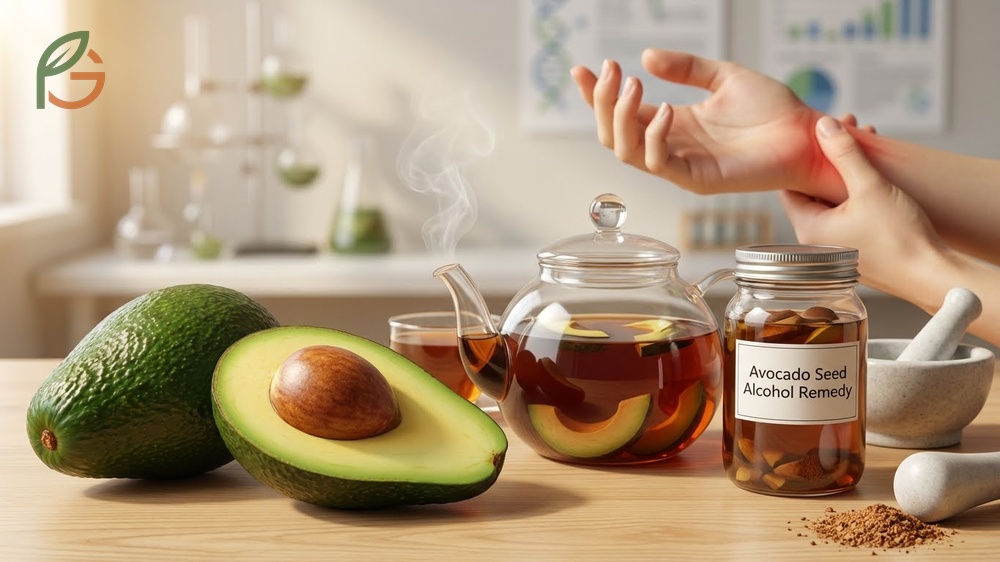
Avocado seed for joint pain has gained attention as a natural remedy, but scientific evidence remains limited. Research shows that avocado seed extracts contain anti-inflammatory compounds that reduce inflammatory markers in laboratory settings[1], yet human clinical trials demonstrating effectiveness for joint conditions are lacking[2]. FruitGarden synthesizes current research on avocado seed applications, safety considerations, and evidence-based alternatives for joint health management.
Quick Answer
- Avocado seeds contain polyphenols and antioxidants[3] that show anti-inflammatory effects in lab studies
- Clinical proof for treating human joint pain is insufficient[2], despite popular home remedies
- Avocado seed tea and alcohol tinctures are common preparations, though safety data is limited[4]
- Avocado/soybean unsaponifiables (ASU) from processed extracts show more promise than whole seeds[5]
Avocado Seed for Joint Pain
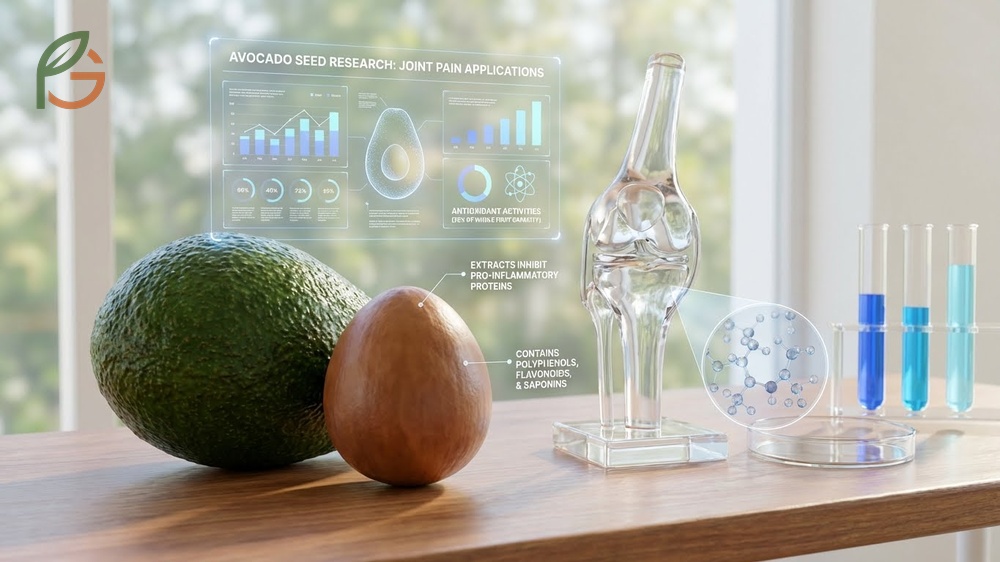
Research on avocado seed applications for joint pain reveals a complex picture. Laboratory studies demonstrate that avocado seed extracts inhibit pro-inflammatory proteins at low concentrations[1], suggesting potential for conditions like arthritis and inflammatory joint disorders. The compounds responsible include polyphenols, flavonoids, and saponins that demonstrate antioxidant activities accounting for 38% of whole avocado fruit’s antioxidant capacity[3].
Current data indicates a significant gap between laboratory promise and clinical application. No reputable medical organization recommends avocado seeds for knee pain treatment[6], and the National Center for Complementary and Integrative Health states insufficient evidence exists for medical use. Most available evidence derives from animal models or in vitro studies rather than controlled human trials.
Studies on avocado/soybean unsaponifiables (ASU) show more promising results for osteoarthritis. Clinical research demonstrates that ASU reduces pain and stiffness while improving joint function[5]. These formulations use processed extracts rather than whole seeds, allowing standardized dosing and enhanced bioavailability.
What distinguishes ASU from whole seed preparations is the extraction and concentration process. ASU corrects growth factor abnormalities by increasing TGF-β and decreasing vascular endothelial growth factor in synovial fluid[5]. This pharmaceutical-grade processing differs substantially from home preparation methods.
Scientific Evidence Overview
The evidence base for avocado seed joint pain applications remains predominantly preclinical. Penn State researchers found that seed extracts exhibited anti-inflammatory properties in laboratory settings[1]. These compounds reduced inflammatory markers produced by immune cells at remarkably low concentrations.
Animal studies provide additional context. Research on hypercholesterolemic model mice showed that avocado seed flour improved liver glycogen storage and modulated lipid metabolism[3]. The dietary fiber, antioxidants, and phenolic content demonstrated minimal toxicity while reducing LDL cholesterol levels.
Human clinical trials specifically examining whole avocado seeds for joint pain remain absent from peer-reviewed literature. This evidence gap means consumers lack data on effective dosing, treatment duration, or expected outcomes. The existing research primarily explores other health applications like cardiovascular and metabolic conditions.
Mechanism of Action
Avocado seeds exert potential anti-inflammatory effects through multiple pathways. The polyphenolic compounds act as antioxidants, neutralizing free radicals that contribute to oxidative stress in joint tissues[3]. Procyanidins, including catechin and epicatechin, reduce lipid peroxidation through synergistic effects with saponins.
The seeds contain compounds that may inhibit pro-inflammatory cytokines. Studies show decreased TBARS levels in Fe²⁺-induced lipid peroxidation models, suggesting protection against inflammatory damage. These bioactive components target multiple inflammatory mediators rather than single pathways.
Persin, a fungicidal compound present in avocado seeds, adds complexity to the mechanism discussion. While persin protects the fruit from decay and insect damage[7], its effects on human inflammation remain poorly understood. The relatively low concentrations in ripe pulp are considered harmless to most individuals.
Benefits of Avocado Seed
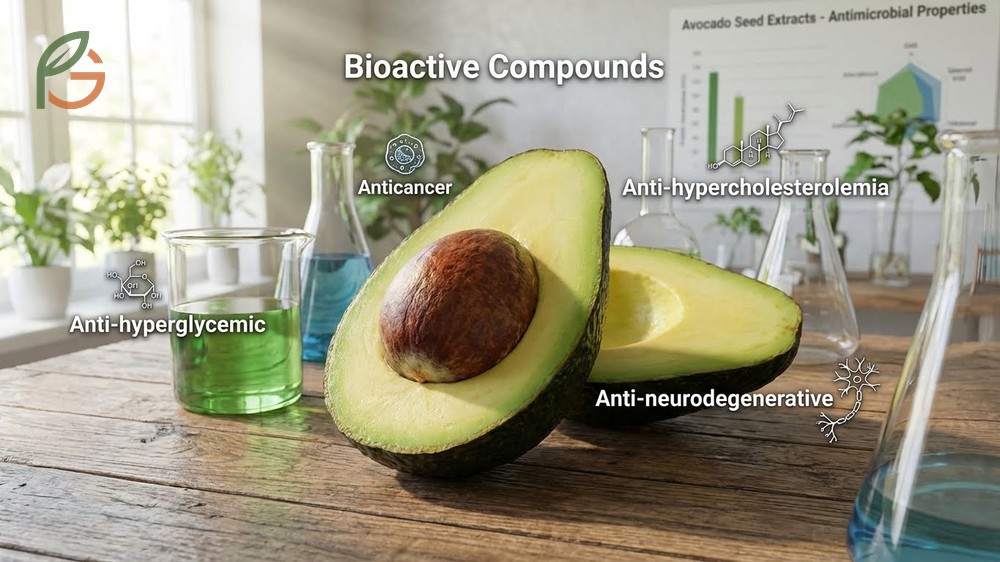
Avocado seeds offer a dense concentration of bioactive compounds that extend beyond joint health applications. Research identifies multiple health-promoting properties, including anti-hyperglycemic, anticancer, anti-hypercholesterolemia, and anti-neurodegenerative effects[3]. These benefits stem from the seed’s rich nutritional profile and phytochemical content.
Studies demonstrate that avocado seed extracts possess antimicrobial properties against certain bacterial and fungal infections. The compounds also support immune function through mechanisms that strengthen the body’s defense systems. These effects complement the anti-inflammatory actions that attract attention for joint conditions.
Cardiovascular benefits emerge as a significant area of investigation. The soluble fiber content aids cholesterol management by reducing LDL levels and improving circulation[3]. Blood sugar regulation represents another potential application, with seed flour showing positive effects on glycemic control in animal models.
From My Experience: My neighbor in Jalisco, Mexico grows avocado trees commercially and shared that they’ve experimented with seed composting since 2023. Seeds decompose in 4-6 months when chopped finely, enriching soil with nutrients—a practical use beyond consumption that aligns with sustainability research.
Nutritional Composition
Avocado seeds contain substantial amounts of dietary fiber, polyphenols, and essential minerals. Analysis reveals significant concentrations of soluble fiber that support digestive health and metabolic function. The mineral profile includes potassium, magnesium, and trace elements that contribute to various physiological processes.
The seed’s protein content provides amino acids, though in smaller quantities than the flesh. Lipid analysis shows the presence of beneficial fatty acids, though concentration varies by avocado variety and growing conditions. Vitamin content includes small amounts of B vitamins and vitamin E.
Bioactive compound analysis identifies multiple classes of phytochemicals. Tannins, flavonoids, and phenolic acids account for the seed’s antioxidant capacity. These compounds demonstrate greater concentration in seeds compared to the edible pulp, explaining traditional medicinal applications across different cultures.
Antioxidant Properties
The antioxidant profile of avocado seeds ranks among the highest of fruit seed materials. Polyphenol concentrations exceed those found in the flesh, with measurements showing significant free radical scavenging activity[3]. This capacity translates to potential protection against oxidative stress-related conditions.
Catechin and epicatechin, two procyanidin compounds, contribute substantially to antioxidant effects. These molecules neutralize reactive oxygen species that damage cells and tissues. The combined action of multiple antioxidant compounds creates synergistic effects stronger than individual components.
Comparative studies position avocado seeds favorably against other antioxidant-rich foods. The concentrations rival those found in green tea and certain berries. This finding has prompted interest in developing seed-based supplements and functional food ingredients.
- Neutralizes free radicals that contribute to inflammation and cellular damage
- Protects cardiovascular tissues from oxidative stress and lipid peroxidation
- Supports immune system function through enhanced cellular defense mechanisms
- May slow aging processes related to oxidative damage accumulation
- Demonstrates synergistic effects when combined with other plant antioxidants
- Shows stability during storage and basic preparation methods
Avocado Seed Tea Benefits
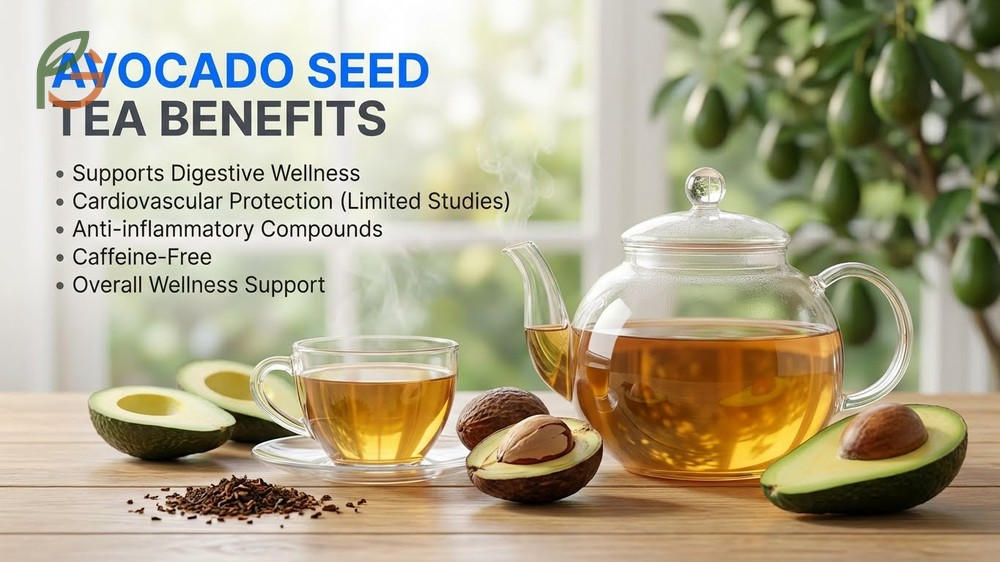
Avocado seed tea represents one of the most accessible preparation methods for consuming seed compounds. The brewing process extracts water-soluble polyphenols, flavonoids, and soluble fiber into a caffeine-free beverage. Proponents claim benefits ranging from digestive support to cardiovascular protection, though systematic clinical studies remain limited.
The tea’s anti-inflammatory compounds may support overall wellness rather than targeting specific conditions. Regular consumption shows potential for reducing oxidative stress markers, though optimal dosing and frequency lack established guidelines. The soluble fiber content can aid digestive function and promote feelings of fullness.
Flavor profiles present challenges for some consumers. The tea exhibits a mildly bitter, earthy taste similar to certain herbal root teas. Most recipes recommend additions like cinnamon, lemon, or honey to balance the natural bitterness and enhance palatability.
How to Prepare Avocado Seed Tea
Preparation begins with thoroughly cleaning the seed after removing it from the avocado. Rinse under cool running water to remove any adhering fruit flesh. The brown outer membrane can remain intact as it contains beneficial compounds.
Drying the seed for 3-5 days at room temperature improves handling and grinding. Place the whole seed in a dry location away from direct sunlight. The seed coat becomes papery and begins to flake when properly dried, making cutting and grating easier.
For tea preparation, slice or grate the dried seed into smaller pieces. Add one whole seed’s worth of material to 2 cups (500ml) of water in a pot. Bring to a boil, then reduce heat and simmer for 10-15 minutes until the water turns pinkish and the seed pieces soften.
Strain the liquid into a mug, discarding the solid pieces. The resulting tea can be consumed hot or cooled and refrigerated for later use. Starting with small quantities allows assessment of individual tolerance and flavor preference.
Important Note: Don’t use soap or detergent when cleaning avocado seeds, as residues may remain in the porous seed material. Plain water is sufficient for removing fruit debris.
- Extract the seed carefully using a spoon to keep it intact
- Wash thoroughly under cool running water to remove all fruit residue
- Air-dry for 3-5 days until the seed coat becomes papery
- Slice or grate into small pieces using a sharp knife or grater
- Boil in 2 cups water for 10-15 minutes until pinkish color develops
- Strain and add honey, cinnamon, or lemon to enhance flavor
- Start with half-cup servings to assess personal tolerance
Tea Benefits and Considerations
Advocates claim avocado seed tea supports heart health through cholesterol reduction and improved circulation. The soluble fiber content may contribute to lowering LDL cholesterol levels when consumed regularly. Blood pressure regulation represents another proposed benefit, though controlled studies are lacking.
Digestive benefits stem from the fiber and tannin content. The tea may soothe minor gastrointestinal discomfort and support regular bowel movements. Some users report reduced bloating, though individual responses vary considerably.
Safety considerations include potential interactions and contraindications. Individuals taking medications like tamoxifen should avoid avocado products due to persin interactions[4]. Pregnant women, nursing mothers, and those with chronic health conditions should consult healthcare providers before regular consumption.
Safety Warning: Avocado seeds contain persin, a compound generally considered safe for humans in small amounts but potentially problematic with certain medications. Always consult a healthcare professional before adding new botanical preparations to your routine.
Avocado Seed and Alcohol for Knee Pain

The avocado seed and alcohol home remedy has gained popularity through social media, particularly for knee and joint pain relief. This topical preparation involves soaking chopped avocado seeds in rubbing alcohol (typically 70% isopropyl) to create a spray or rub for external application. Proponents claim it reduces pain, stiffness, and swelling through enhanced compound absorption.
Scientific validation for this specific application remains absent from peer-reviewed literature. The National Center for Complementary and Integrative Health and other medical organizations do not endorse this approach[6]. Evidence supporting topical avocado seed preparations for pain relief consists primarily of anecdotal reports rather than controlled trials.
The theoretical mechanism involves alcohol extraction of fat-soluble compounds from the seed, which then penetrate skin when applied topically. Alcohol also provides a cooling sensation that may temporarily mask pain sensations. Whether therapeutic levels of anti-inflammatory compounds reach affected joints through this method remains unproven.
Topical Application Method
The standard preparation involves cutting one large avocado seed into thin slices or small cubes. Place the chopped seed pieces into a clean spray bottle or jar with a lid. Add 150ml (about 5 ounces) of room-temperature water and 150ml of 70% rubbing alcohol.
Seal the container and shake vigorously to mix the components. Store in a cool, dark location for 2-24 hours to allow compound extraction. Some recipes recommend steeping for up to 4 weeks for a stronger tincture. Shake the mixture gently every few days during longer steeping periods.
For application, spray or apply the liquid directly to painful areas like knees, elbows, or lower back. Massage gently into the skin for enhanced absorption. Advocates recommend applying 3 times daily—morning, afternoon, and evening—for several weeks to assess effectiveness.
The mixture produces an immediate cooling sensation from the alcohol evaporation. This effect should not be confused with therapeutic pain relief, as the cooling provides temporary sensory distraction rather than addressing underlying inflammation or joint damage.
- Remove and clean avocado seed, cutting into thin slices or small pieces
- Place chopped seed in clean spray bottle or glass jar
- Add 150ml water and 150ml 70% rubbing alcohol to container
- Seal tightly and shake well to combine ingredients
- Store in cool, dark place for 2-24 hours (or up to 4 weeks for tincture)
- Shake gently every few days during longer steeping periods
- Apply topically to affected areas 2-3 times daily
- Discontinue use if skin irritation develops
Fact Check on Effectiveness
Critical evaluation reveals significant gaps between claims and evidence for the avocado seed-alcohol remedy. No peer-reviewed studies examine this specific preparation for knee pain or arthritis relief. The remedy lacks standardization for seed quantity, alcohol concentration, or steeping duration[6].
Research on avocado/soybean unsaponifiables (ASU) for osteoarthritis uses processed extracts taken orally, not topical seed preparations. The 2013 Phytotherapy Research review found ASU beneficial for osteoarthritis symptoms, but this involved pharmaceutical-grade supplements with standardized dosing[5]. Extrapolating these findings to home-prepared topical applications lacks scientific basis.
The placebo effect may account for reported benefits. Expectation of relief combined with the ritualistic application and cooling sensation can produce perceived improvements. This doesn’t invalidate individual experiences but highlights the need for controlled studies to determine actual efficacy.
Safety concerns include potential skin irritation from rubbing alcohol, allergic reactions to seed compounds, and contamination risks from improper preparation or storage. Medical professionals generally recommend evidence-based treatments over unproven home remedies for chronic pain conditions.
Fact Check Result: Claims that avocado seed soaked in alcohol effectively treats knee pain lack scientific validation. While lab studies show anti-inflammatory properties in seed extracts, no clinical trials support this specific topical application method.
How to Use Avocado Seed for Joint Pain
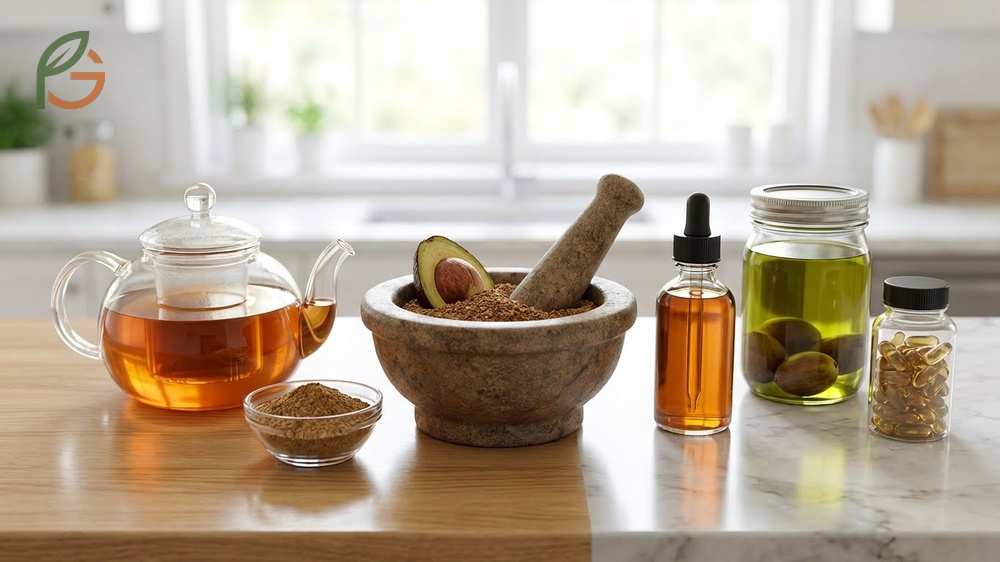
Approaches to using avocado seed for joint pain fall into three main categories: internal consumption (tea or powder), topical applications (alcohol tinctures or oil infusions), and processed supplements (commercial extracts). Each method presents different advantages, limitations, and safety considerations. Understanding proper preparation reduces risks while maximizing potential benefits.
Internal consumption typically involves grinding dried seeds into powder form or brewing tea. The powder can be added to smoothies, baked goods, or beverages in small quantities—usually 1/4 to 1/2 teaspoon daily. Starting with minimal amounts allows assessment of digestive tolerance and any adverse reactions.
Grinding avocado seeds requires patience due to their hardness. A high-powered blender or food processor works best, though seeds should be dried thoroughly first. Slice the dried seed into smaller pieces before attempting to grind, as this reduces strain on equipment and produces more uniform powder.
Topical preparations include the alcohol tincture discussed previously, as well as oil infusions. For oil-based applications, finely chopped dried seed can be steeped in carrier oils like coconut or olive oil for 2-4 weeks. Strain and apply the infused oil to affected joints, though evidence for effectiveness remains limited.
Commercial supplements containing avocado extracts offer standardized dosing and quality control. Products labeled as ASU (avocado/soybean unsaponifiables) have the strongest research support for joint health[5]. These pharmaceutical-grade preparations undergo testing for purity and potency that home preparations cannot match.
Timing and dosage remain poorly defined for whole seed preparations. Most traditional uses recommend consuming tea or powder daily for several weeks before assessing benefits. Topical applications typically occur 2-3 times daily. However, optimal treatment protocols lack scientific establishment.
This table compares four preparation methods for avocado seed joint pain applications, including difficulty level, time requirements, and evidence quality for each approach
| Method | Preparation Time | Difficulty Level | Evidence Quality |
|---|---|---|---|
| Seed Tea | 3-5 days drying + 15 min brewing | Low | Anecdotal only |
| Ground Powder | 3-5 days drying + 10 min grinding | Moderate | Anecdotal only |
| Alcohol Tincture | 2-24 hours to 4 weeks steeping | Low-Moderate | No clinical data |
| Oil Infusion | 2-4 weeks steeping | Low | No clinical data |
| Commercial ASU Supplements | Ready to use | None (purchase) | Moderate-Strong[5] |
- Start with small amounts to test individual tolerance and identify potential allergic reactions
- Consult healthcare providers before use, especially with existing medical conditions or medications
- Choose organic avocados when possible to minimize pesticide exposure in seeds
- Store dried seeds or preparations in airtight containers away from moisture and direct sunlight
- Monitor for adverse effects and discontinue use if digestive upset, skin irritation, or other symptoms occur
- Don’t rely solely on avocado seed remedies for serious or chronic joint conditions
- Consider evidence-based alternatives like physical therapy, anti-inflammatory medications, or proven supplements
Practical Tip: If grinding proves difficult, boil the whole seed for 10-15 minutes to soften it first. Remove the outer skin, then chop or grate the softened interior. This method preserves compounds while making processing easier.
Side Effects of Avocado Seed
Safety concerns surrounding avocado seed consumption center primarily on persin content and lack of long-term human consumption data. Persin, a fungicidal toxin present throughout the avocado plant, occurs in higher concentrations in seeds than in ripe fruit flesh[7]. While generally considered harmless to humans in small amounts, individual sensitivities vary.
Documented side effects remain limited due to sparse clinical research on direct seed consumption. Animal studies show minimal toxicity at moderate doses, but extrapolating these findings to humans requires caution. The absence of adverse effect reports doesn’t equate to proven safety, particularly for long-term or high-dose use.
Drug interactions present a specific concern. Persin increases the toxicity of tamoxifen, an anti-cancer medication, making avocado products contraindicated for patients taking this drug[4]. Other potential drug interactions remain unstudied, necessitating medical consultation before regular consumption.
Digestive discomfort represents the most commonly reported issue with seed consumption. The high fiber and tannin content can cause bloating, gas, or loose stools in sensitive individuals. Starting with small quantities and gradually increasing allows the digestive system to adjust.
Allergic reactions, while rare, can occur in individuals sensitive to avocado or related plants. Symptoms may include skin rashes, itching, or respiratory issues. Anyone with known avocado allergies should avoid seed preparations entirely.
Choking hazards exist when consuming seed pieces, particularly for children or elderly individuals. Ground powder reduces this risk but requires thorough chewing when added to foods. Topical applications avoid ingestion risks but may cause skin irritation in sensitive users.
- Digestive upset including bloating, gas, nausea, or diarrhea from high fiber and tannin content
- Allergic reactions in individuals sensitive to avocado or related plant families
- Drug interactions, particularly with tamoxifen and potentially other medications[4]
- Skin irritation from topical alcohol tinctures, especially with repeated application
- Choking risk if large seed pieces are swallowed without adequate chewing
- Unknown long-term effects due to insufficient human consumption studies
- Potential contamination risks from improper preparation or storage methods
Who Should Avoid Avocado Seeds: Pregnant women, nursing mothers, children, individuals taking tamoxifen or other medications, those with avocado allergies, and anyone with chronic digestive conditions should avoid avocado seed consumption without medical supervision.
Medical Disclaimer
Important Medical Disclaimer: This content is for informational and educational purposes only. It is not intended as a substitute for professional medical advice, diagnosis, or treatment. Always consult a qualified healthcare professional before making any changes to your diet, medication, or health routine, especially if you have arthritis, joint conditions, or other medical issues. The effectiveness of avocado seed for joint pain lacks sufficient clinical evidence, and safety data for long-term use remains limited. Do not discontinue prescribed medications or therapies in favor of unproven home remedies.
Conclusion
The evidence surrounding avocado seed for joint pain applications reveals a disconnect between laboratory promise and clinical validation. While seed extracts demonstrate anti-inflammatory properties in controlled studies[1], human trials supporting tea, powder, or topical preparations remain absent. Current guidance emphasizes evidence-based treatments over unproven remedies for managing chronic joint conditions.
Individuals interested in natural joint support should prioritize approaches with established efficacy, including commercial ASU supplements that undergo quality testing[5]. FruitGarden emphasizes that while avocado seeds contain beneficial compounds, their application for joint pain requires further research before medical recommendations can be made.
Frequently Asked Questions
Can You Eat Avocado Seeds Safely?
Avocado seeds can be consumed in small amounts, though safety data for long-term use remains limited. The seeds contain persin, a compound generally harmless to humans in low doses but potentially problematic for those taking certain medications like tamoxifen. Start with minimal quantities and discontinue use if digestive upset or other adverse effects occur.
Are Avocado Seeds Poisonous or Toxic?
Avocado seeds are not considered poisonous to humans in typical consumption amounts. The persin content is relatively low compared to leaves and bark, and the ripe fruit pulp contains even less. However, seeds are toxic to many domestic animals, and individual human sensitivities vary. Pregnant women and those with specific health conditions should avoid seed consumption without medical guidance.
What Are the Benefits of Drinking Avocado Seed Tea?
Avocado seed tea provides antioxidants, polyphenols, and soluble fiber that may support cardiovascular health and digestion. Advocates claim benefits for cholesterol management, blood pressure regulation, and anti-inflammatory effects. However, clinical evidence supporting these specific claims remains limited, with most research conducted on isolated extracts rather than brewed tea preparations.
Does Avocado Seed and Alcohol Work for Knee Pain?
Scientific evidence does not support the effectiveness of avocado seed soaked in alcohol for treating knee pain. While this home remedy has gained popularity on social media, no peer-reviewed studies validate its use. The cooling sensation from alcohol application may provide temporary sensory relief but doesn’t address underlying joint inflammation or damage. Evidence-based treatments remain preferable for chronic knee conditions.
How Do You Grind Avocado Seed Without a Blender?
To grind avocado seeds without a blender, first dry the seed for 3-5 days until it becomes hard and the outer coating flakes easily. Use a cheese grater, microplane, or sharp knife to shave or chop the dried seed into small pieces. Alternatively, boil the fresh seed for 10-15 minutes to soften it, remove the outer skin, then use a box grater or knife to create smaller pieces that can be further dried or used immediately.
What Are the Side Effects of Avocado Seed?
Common side effects include digestive discomfort such as bloating, gas, or loose stools due to high fiber and tannin content. Allergic reactions may occur in individuals sensitive to avocado or related plants. Drug interactions exist, particularly with tamoxifen, an anti-cancer medication. Topical preparations can cause skin irritation with repeated use. Long-term safety data remains insufficient due to limited human consumption studies.
Is Avocado Seed Extract Better Than Whole Seeds for Joint Pain?
Commercial avocado seed extracts, particularly ASU (avocado/soybean unsaponifiables) supplements, show stronger research support than whole seed preparations. Standardized extracts provide consistent dosing and enhanced bioavailability of active compounds. Clinical studies on osteoarthritis have used processed extracts rather than whole seeds, making pharmaceutical-grade supplements the more evidence-based choice for joint health support.





