
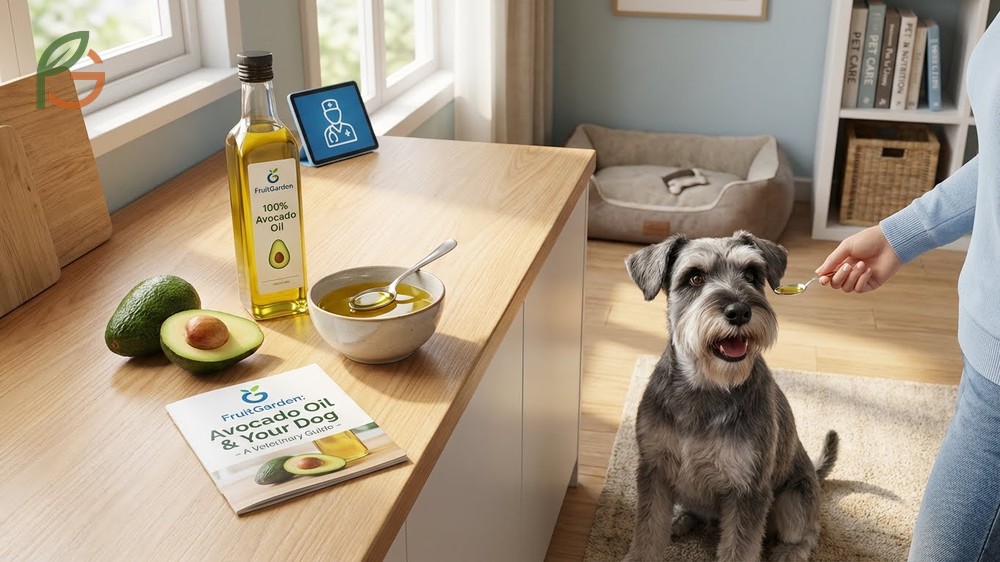
Is avocado oil safe for dogs? Yes, but only in moderation. Research shows avocado oil doesn’t contain persin (the toxic compound found in avocado leaves and pits), making it non-toxic to dogs[1]. However, its extremely high fat content can trigger pancreatitis in susceptible dogs, especially breeds like Schnauzers and Yorkshire Terriers[2]. FruitGarden synthesizes current veterinary research to help dog owners make informed decisions about incorporating oils into their pets’ diets.
Quick Answer
- Avocado oil is non-toxic to dogs because it contains no persin[1]
- Contains beneficial omega-3 fatty acids and vitamin E for skin and coat health[1]
- High fat content poses pancreatitis risk in susceptible breeds[2]
- Safe dosage: ¼ teaspoon for small dogs, ½ teaspoon for medium, 1 teaspoon for large dogs daily[3]
- Always consult your veterinarian before adding avocado oil to your dog’s diet
Is Avocado Oil Safe for Dogs

Avocado oil is technically safe for dogs because it doesn’t contain persin, the fungicidal toxin found in avocado leaves, bark, skin, and pits[1]. The oil is extracted from the avocado pulp, where persin concentrations are minimal to nonexistent. Studies confirm that processing breaks down any trace persin, making avocado oil and avocado meal safe for canine consumption[4].
However, the bigger concern isn’t toxicity—it’s the oil’s extremely high fat content. Even though avocado oil provides anti-inflammatory omega-3 fatty acids and vitamin E, these benefits don’t outweigh the pancreatitis risk for many dogs[1]. Most veterinarians recommend avoiding avocado oil entirely or using it sparingly under professional guidance.
Current guidance emphasizes that while avocado oil won’t poison your dog the way avocado pits or leaves might, it’s not the safest oil choice for daily supplementation. Alternatives like fish oil or moderate amounts of olive oil typically offer better risk-benefit profiles.
The Persin Concern
Persin is a natural fungicide that protects avocado plants from pathogens. While highly toxic to birds, horses, and ruminants like cattle and goats, dogs show much higher tolerance to this compound[5]. The highest persin concentrations exist in parts dogs shouldn’t eat anyway—the leaves, bark, skin, and pit.
Research from the University of Illinois analyzed persin levels throughout avocado processing. Scientists found that heat and light break down persin’s unstable molecular structure, which explains why processed avocado oil and meal contain no detectable persin[4]. Dogs can tolerate avocado flesh and oil without persin-related toxicity.
Fat Content Risk
The real danger with avocado oil lies in its fat density, not persin content. Fatty meals force the pancreas to work harder producing digestive enzymes, and just one high-fat meal can trigger acute pancreatitis in susceptible dogs[2]. Pancreatitis occurs when digestive enzymes activate prematurely inside the pancreas instead of the small intestine, causing the organ to essentially digest itself.
Dogs prone to weight gain or obesity face additional risks since excess body fat correlates with increased pancreatitis incidence. Even healthy dogs can develop gastrointestinal upset, including vomiting and diarrhea, when they consume too much fat too quickly.
Important Warning: If your dog has a history of pancreatitis, is overweight, or belongs to a predisposed breed (Schnauzers, Yorkshire Terriers, Miniature Poodles), avoid avocado oil completely unless your veterinarian specifically recommends it.
Can Dogs Have Avocado Oil
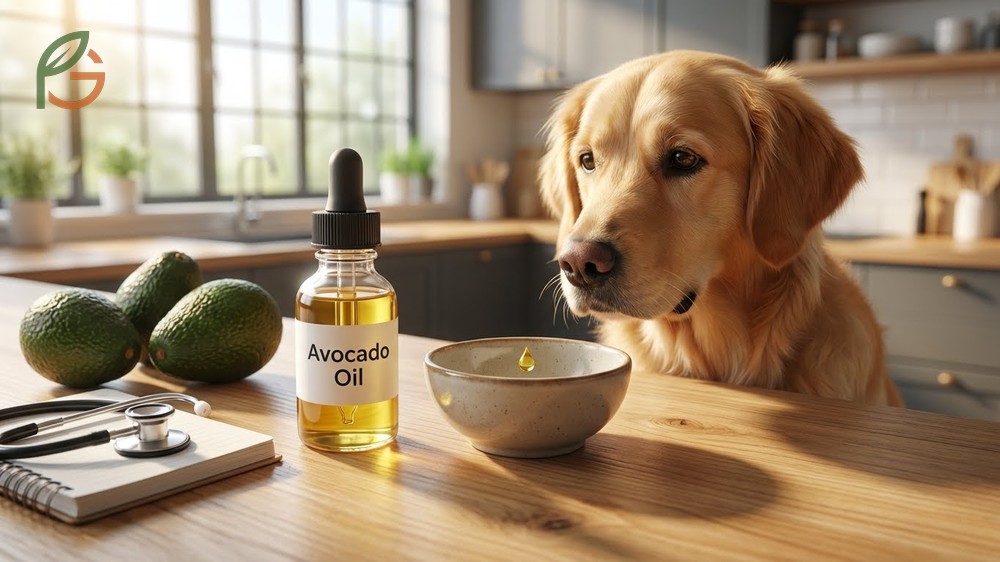
Dogs can have avocado oil in very small, controlled amounts if they don’t have pre-existing health conditions. The key is moderation and careful monitoring for adverse reactions. Most veterinarians suggest safer alternatives, but some holistic practitioners incorporate minimal avocado oil into wellness routines for specific benefits.
Before introducing any new supplement, including avocado oil, consult your veterinarian about your dog’s individual risk factors. They’ll assess breed predisposition, weight status, medical history, and current diet to determine if avocado oil is appropriate.
Health Benefits
When used appropriately, avocado oil offers several potential benefits. The oil’s omega-3 fatty acids and vitamin E content support skin hydration and reduce dryness, which can improve coat shine and texture[1]. These anti-inflammatory compounds may also provide mild joint support for dogs with arthritis or mobility issues.
Antioxidants in avocado oil help protect cells from oxidative damage, potentially supporting immune system function. Some proponents claim cardiovascular benefits similar to those seen in humans, though research specifically on dogs remains limited.
- Reduces dry, flaky skin and promotes moisture retention
- Enhances coat shine and softness through essential fatty acid delivery
- Provides anti-inflammatory support for joint discomfort
- Delivers vitamin E for cellular protection and skin health
- Supplies antioxidants that support immune function
When to Avoid
Several situations warrant complete avoidance of avocado oil for dogs. Breeds genetically predisposed to pancreatitis—including Miniature Schnauzers, Yorkshire Terriers, Cocker Spaniels, and Miniature Poodles—should never receive high-fat supplements without veterinary approval[2]. Overweight or obese dogs also fall into the high-risk category.
If your dog shows any negative reactions after consuming avocado oil—vomiting, diarrhea, lethargy, abdominal pain, or loss of appetite—stop immediately and contact your veterinarian. These symptoms can indicate pancreatitis or gastrointestinal distress requiring professional intervention.
- Dogs with current or previous pancreatitis diagnosis
- Breeds predisposed to pancreatic inflammation (Schnauzers, Yorkshire Terriers, Cocker Spaniels)
- Overweight or obese dogs requiring weight management
- Dogs with sensitive stomachs or chronic digestive issues
- Puppies under six months old with developing digestive systems
- Any dog showing adverse reactions to dietary fats
Veterinary Consultation Required: Every dog’s nutritional needs and risk factors differ. Never start avocado oil supplementation without discussing it with your veterinarian first, especially if your dog takes medications or has existing health conditions.
Avocado Oil for Dogs Skin and Coat
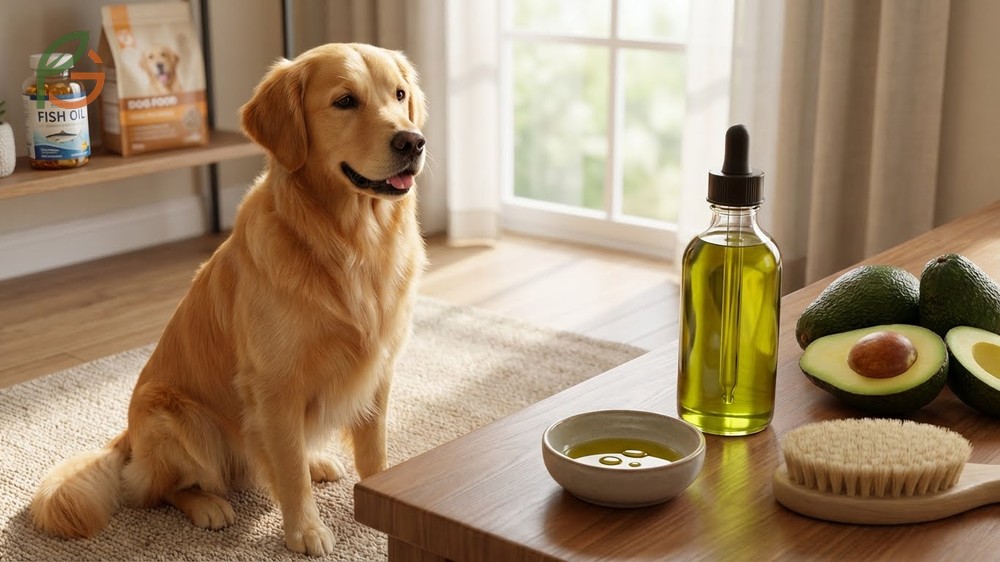
Avocado oil’s fatty acid profile makes it theoretically beneficial for skin and coat health, though safer alternatives exist. The omega-3 fatty acids help reduce inflammation that causes itchy, dry skin, while vitamin E provides antioxidant protection for skin cells. However, fish oil typically delivers stronger omega-3 concentrations with lower pancreatitis risk[3].
For dogs with chronic dry skin or dull coats, topical application of avocado oil offers benefits without the digestive risks of oral consumption. Small amounts massaged into the coat can moisturize skin and add shine. Always test a small area first to check for allergic reactions.
Research shows that oils rich in omega-3s and vitamin E improve coat quality over 4-6 weeks of consistent supplementation. Dogs receiving appropriate amounts of beneficial oils often show reduced dandruff, less scratching, and improved overall coat texture.
This table compares four common oils for dogs across omega-3 content, primary benefits, and safety considerations for coat and skin health
| Oil Type | Primary Benefits | Omega-3 Content | Safety Considerations |
|---|---|---|---|
| Fish Oil | Superior anti-inflammatory effects, reduces itching | High EPA and DHA[3] | Safest for daily use, vet-recommended |
| Coconut Oil | Moisturizes skin, antimicrobial properties | Low omega-3s, high MCTs | Moderate use due to saturated fat |
| Olive Oil | Cardiovascular health, antioxidant support | Moderate omega-3s | Heart-healthy, good for daily drizzling |
| Avocado Oil | Vitamin E, anti-inflammatory compounds | Moderate omega-3s[1] | High pancreatitis risk, use with caution |
How Much Avocado Oil for Dogs

If your veterinarian approves avocado oil for your dog, dosage depends entirely on body weight. General guidelines suggest ¼ teaspoon daily for small dogs (under 20 pounds), ½ teaspoon for medium dogs (20-50 pounds), and 1 teaspoon maximum for large dogs (over 50 pounds)[3]. Always start with half the recommended amount and gradually increase while monitoring for digestive upset.
Never exceed these amounts, as excess fat intake significantly raises pancreatitis risk. Mix the oil thoroughly with your dog’s regular food rather than offering it separately. This helps slow digestion and reduces the chance of gastrointestinal distress.
Watch your dog carefully for the first week of supplementation. If you notice any vomiting, diarrhea, lethargy, or decreased appetite, discontinue the oil immediately and consult your veterinarian. Some dogs simply can’t tolerate high-fat additions to their diet.
- Small dogs (under 20 lbs): Start with ⅛ teaspoon, maximum ¼ teaspoon daily
- Medium dogs (20-50 lbs): Start with ¼ teaspoon, maximum ½ teaspoon daily
- Large dogs (over 50 lbs): Start with ½ teaspoon, maximum 1 teaspoon daily
- Always mix with food rather than giving separately
- Introduce gradually over 5-7 days to assess tolerance
Critical Reminder: These dosages represent maximum amounts for healthy dogs without pancreatitis risk factors. Your veterinarian may recommend lower amounts or advise against avocado oil entirely based on your dog’s individual health profile.
Coconut Oil vs Avocado Oil for Dogs
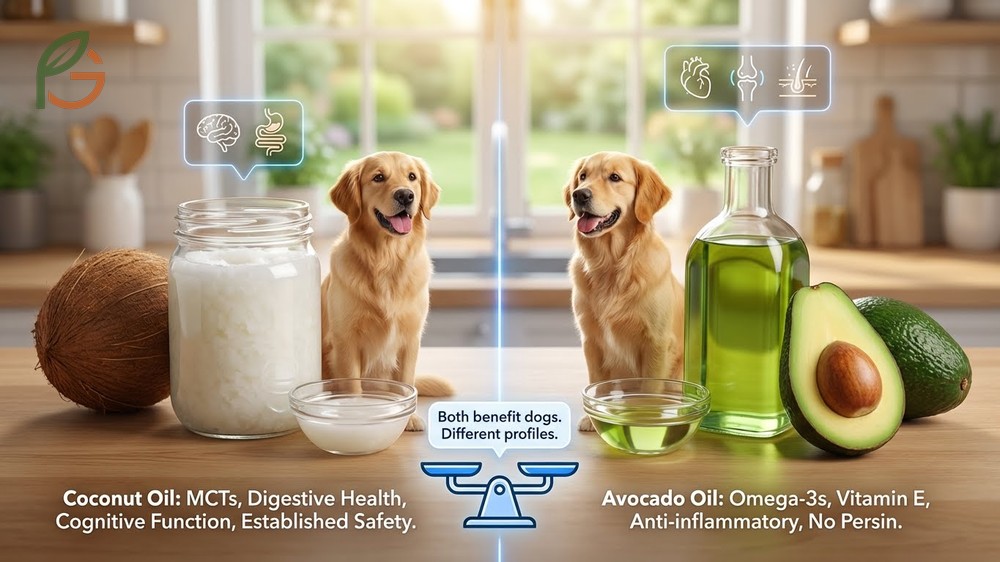
Both coconut oil and avocado oil provide benefits for dogs, but they differ significantly in fatty acid composition and safety profiles. Coconut oil contains medium-chain triglycerides (MCTs) that support digestive health and cognitive function, while avocado oil offers higher levels of anti-inflammatory omega-3s and vitamin E[3]. Neither oil contains persin or toxic compounds.
The main advantage of coconut oil is its established safety record and antimicrobial properties that can help with skin infections and odor control. However, coconut oil is also high in saturated fat, requiring moderation to prevent weight gain. Most veterinarians consider coconut oil slightly safer than avocado oil for regular use.
For skin and coat improvements, fish oil generally outperforms both options due to superior omega-3 concentrations with lower pancreatitis risk. Many dog owners alternate between oils or use them for different purposes—coconut oil for digestive support and coat shine, fish oil for inflammation and joint health.
- Coconut oil: Better for digestive health, antimicrobial benefits, MCT content supports brain function
- Avocado oil: Higher vitamin E levels, more omega-3s, stronger anti-inflammatory effects
- Both oils: High fat content requiring portion control and monitoring
- Fish oil: Superior choice for omega-3s with better safety profile than either coconut or avocado oil
- Olive oil: Best for daily cardiovascular support with lowest risk profile
Signs of Pancreatitis in Dogs

Recognizing pancreatitis symptoms quickly can save your dog’s life, especially after consuming high-fat foods like avocado oil. Symptoms typically appear within 24 hours of fat ingestion, though they can manifest faster in severely affected dogs[2]. The most common warning signs include repeated vomiting, diarrhea, lethargy, and a visibly painful abdomen.
Dogs with pancreatitis often assume a “prayer position” with their front legs extended and rear end elevated, trying to relieve abdominal pain. They may refuse food entirely, show decreased activity levels, and exhibit signs of dehydration like dry gums and sunken eyes. Fever can accompany acute cases.
Pancreatitis requires immediate veterinary intervention and can’t be treated at home. Without prompt care, the condition can progress to life-threatening complications including organ failure, sepsis, and death. If you suspect pancreatitis, contact your veterinarian or emergency animal hospital immediately.
- Repeated vomiting (multiple episodes within hours)
- Diarrhea, often with unusual color or consistency
- Severe lethargy and unwillingness to move
- Hunched back or “prayer position” indicating abdominal pain
- Loss of appetite or complete refusal to eat
- Fever (normal dog temperature: 101-102.5°F or 38.3-39.2°C)
- Dehydration signs: dry gums, decreased skin elasticity, sunken eyes
Emergency Action Required: Don’t wait to see if symptoms improve on their own. Pancreatitis progresses rapidly and requires professional diagnosis through blood tests and imaging. Early intervention dramatically improves survival rates and reduces complications.
Conclusion
The evidence is clear: is avocado oil safe for dogs in the strictest sense? Yes—it contains no toxic persin. But safety goes beyond toxicity alone. The oil’s extremely high fat content creates significant pancreatitis risk that outweighs potential benefits for most dogs, especially those with breed predisposition, weight issues, or pancreatic history. Current veterinary guidance emphasizes safer alternatives like fish oil or moderate olive oil for achieving similar skin, coat, and anti-inflammatory benefits.
If you’re considering adding any supplement to your dog’s diet, consultation with a qualified veterinarian is essential. They can assess your individual dog’s risk factors and recommend the safest, most effective options for their specific needs. FruitGarden encourages pet owners to prioritize evidence-based nutrition decisions that protect their dogs’ long-term health.
Medical Disclaimer
Important Veterinary Disclaimer: This content is for informational and educational purposes only. It is not intended as a substitute for professional veterinary advice, diagnosis, or treatment. Always consult a qualified veterinarian before making any changes to your dog’s diet, supplements, or health routine, especially if your dog has pancreatitis, digestive issues, or other medical conditions. Individual dogs have unique nutritional needs and risk factors that require professional assessment.
Frequently Asked Questions
Is Avocado Oil Bad for Dogs?
Avocado oil isn’t inherently bad for all dogs, but it poses significant risks. While it doesn’t contain toxic persin, the extremely high fat content can trigger pancreatitis in susceptible dogs, making it a poor choice compared to safer oils like fish or olive oil.
Can Dogs Eat Avocado Oil?
Dogs can eat avocado oil in very small amounts if they’re healthy and not prone to pancreatitis. However, most veterinarians recommend avoiding it due to the fat-related risks. If approved by your vet, limit intake to ¼-1 teaspoon daily depending on your dog’s size.
Is Avocado Oil Good for Dogs’ Coats?
Avocado oil can improve coat shine and reduce dry skin thanks to its omega-3 fatty acids and vitamin E. However, fish oil provides superior omega-3 concentrations with lower health risks. For topical use on the coat, avocado oil can be safer than oral consumption.
What Are Toxic Foods for Dogs?
Common toxic foods include chocolate, grapes, raisins, onions, garlic, xylitol (artificial sweetener), macadamia nuts, and avocado pits/leaves. While avocado oil and flesh are generally safe, the pit, skin, and leaves contain higher persin levels that can cause gastrointestinal problems.
Is Fish Oil Better Than Avocado Oil for Dogs?
Yes, fish oil is generally better for dogs. It delivers higher concentrations of EPA and DHA omega-3 fatty acids with better anti-inflammatory effects and lower pancreatitis risk. Most veterinarians prefer fish oil as a first-choice supplement for skin, coat, and joint health.
Can Avocado Meal Be Used in Dog Food?
Research shows avocado meal (a byproduct of oil processing) is safe for dogs because processing breaks down persin completely. Studies suggest diets containing up to 18% avocado meal can be used effectively as a fiber source without health concerns.
What Natural Supplements Help Dog Coat Health?
The best natural supplements for dog coat health include fish oil (omega-3s), vitamin E, coconut oil (in moderation), flaxseed oil, and biotin. These provide essential fatty acids and antioxidants that reduce inflammation, moisturize skin, and promote shine without excessive pancreatitis risk.





