
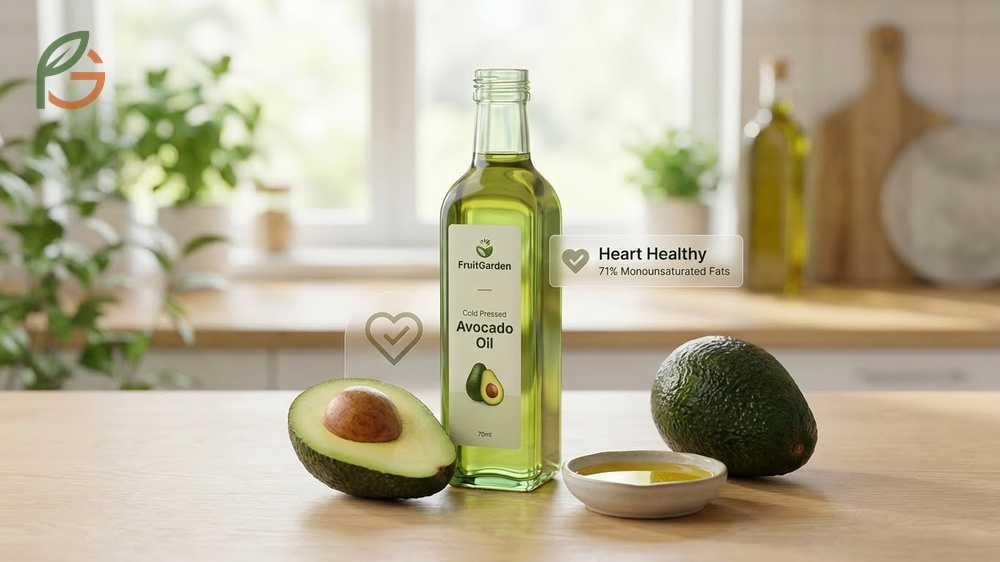
Is avocado oil healthy? Yes, research shows it’s one of the healthiest cooking oils available. Studies demonstrate that avocado oil contains 71% monounsaturated fats[1], similar to olive oil, which supports cardiovascular health and reduces inflammation. At FruitGarden, we synthesize current nutritional research and agricultural data to help you make informed decisions about healthy eating and sustainable food choices.
Quick Answer
- Contains 71% heart-healthy monounsaturated fats[1] that lower bad cholesterol
- Delivers 884 calories per 100g with zero carbs and zero protein
- Refined version has a 270°C (518°F) smoke point[3], ideal for high-heat cooking
- Rich in antioxidants like vitamin E and carotenoids that combat oxidative stress
Is Avocado Oil Healthy
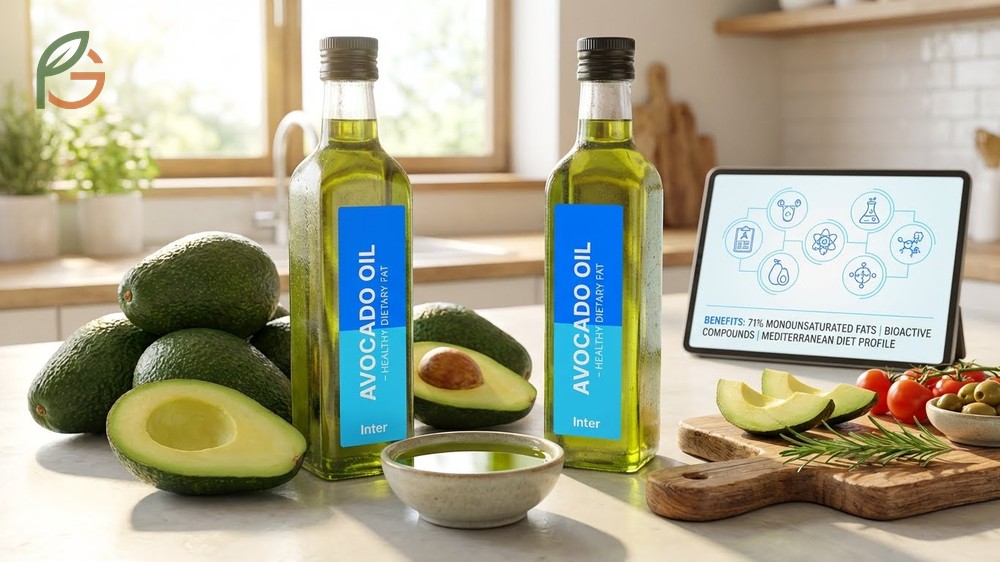
Research confirms avocado oil ranks among the healthiest dietary fats you can consume. Current data indicates it provides exceptional nutritional value through its unique fatty acid profile and bioactive compounds. Most people don’t realize that timing and pairing matter more than quantity when incorporating healthy fats into meals.
Studies demonstrate that avocado oil’s composition mirrors the Mediterranean diet’s benefits. The oil consists of 71% monounsaturated fatty acids, 13% polyunsaturated fatty acids, and 16% saturated fatty acids[1]. This profile helps promote healthy blood lipid levels and enhances absorption of fat-soluble vitamins from vegetables you eat alongside it.
Evidence suggests that daily consumption supports multiple body systems. Animal studies show supplementation improves mitochondrial function in the brain and liver while reducing oxidative stress markers[4]. Human trials reveal measurable improvements in insulin sensitivity and inflammatory markers after just six days of replacing butter with avocado oil.
Fatty Acid Composition
The dominant fat in avocado oil is oleic acid, the same monounsaturated fat that makes olive oil famous. This fatty acid accounts for roughly 70% of total fat content. Unlike seed oils high in omega-6, avocado oil provides a more balanced ratio that doesn’t promote inflammation.
What often gets overlooked is that avocado oil contains only modest amounts of omega-3 fatty acids. Research shows a typical tablespoon delivers approximately 134mg of omega-3s compared to 1,754mg of omega-6s[5], creating a 13:1 ratio. This means you’ll need other sources like fatty fish or flaxseeds to meet omega-3 requirements.
Important Note: While avocado oil contains healthy fats, it’s not a significant source of omega-3s. Pair it with omega-3-rich foods like salmon, walnuts, or chia seeds for optimal fatty acid balance.
Antioxidant Content
Avocado oil delivers powerful antioxidants that protect cells from free radical damage. The oil contains substantial amounts of carotenoids, tocopherols (vitamin E forms), and plant sterols. These compounds work together to reduce oxidative stress throughout your body.
Research indicates the antioxidant profile remains stable even during high-heat cooking. Unlike many vegetable oils that degrade and form harmful compounds when heated, avocado oil maintains its protective properties. This stability makes it safer for frying, roasting, and grilling compared to oils with lower smoke points.
Health Benefits of Avocado Oil
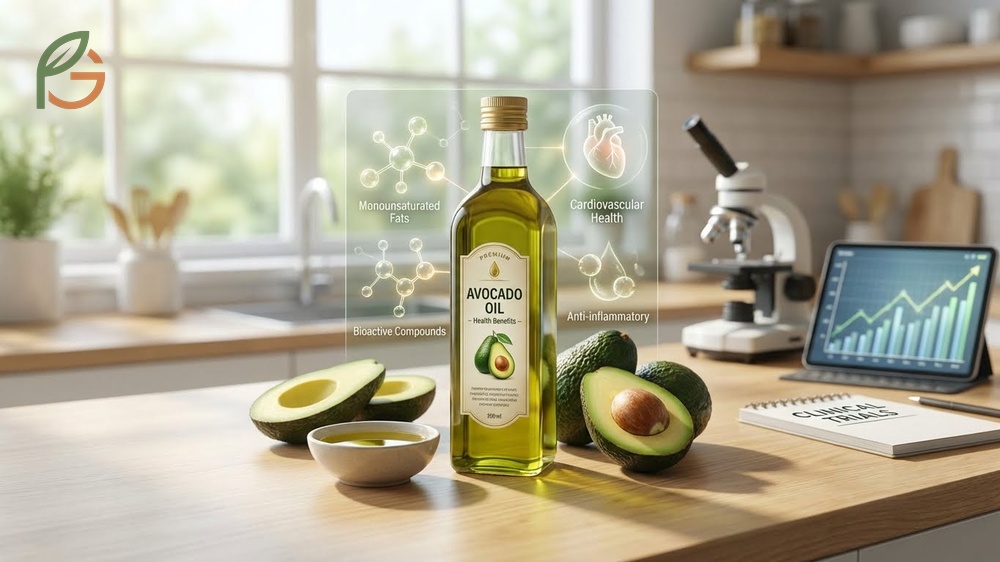
Current evidence demonstrates that avocado oil offers multiple health advantages beyond basic nutrition. The combination of monounsaturated fats and bioactive compounds creates synergistic effects on cardiovascular function, inflammation, and nutrient absorption. These benefits aren’t just theoretical—clinical trials show measurable improvements in key health markers.
Agricultural data shows avocado oil consumption has increased dramatically as health-conscious consumers seek alternatives to refined seed oils. The reason is simple: research backs up the claims. Unlike trendy superfoods that lack scientific support, avocado oil has peer-reviewed studies confirming its positive impacts on human health.
Cardiovascular Support
Studies in rats found that avocado oil reduced diastolic and systolic blood pressure by 21.2% and 15.5% respectively[6], with effects comparable to blood pressure medication. While human trials are still limited, these results suggest significant cardiovascular potential. The oil works by improving blood vessel function and reducing arterial stiffness.
Research also demonstrates improvements in cholesterol profiles. Animal models show avocado oil effectively lowers triglycerides and LDL cholesterol without affecting beneficial HDL cholesterol. The phytosterols in avocado oil help block cholesterol absorption in the gut, providing an additional mechanism for cardiovascular protection.
- Reduces LDL (bad) cholesterol while maintaining HDL (good) cholesterol levels
- Lowers blood pressure through improved arterial flexibility
- Contains phytosterols that block dietary cholesterol absorption
- Supports healthy triglyceride levels in the bloodstream
- Promotes better blood vessel function and circulation
Anti-Inflammatory Properties
Evidence suggests avocado oil combats chronic inflammation through multiple mechanisms. Studies show that compounds in the oil—including phenolic compounds, fatty acids, and bioactive sterols—inhibit production of inflammatory proteins. This action potentially reduces inflammation-related disease risk across multiple body systems.
Research on post-meal inflammation reveals interesting timing effects. When subjects consumed a burger with avocado instead of a burger alone, scientists observed decreased activation of the NF-kappa B inflammatory pathway at three hours post-meal[7]. This suggests avocado oil can mitigate the inflammatory response from less healthy foods when consumed together.
- Inhibits inflammatory protein production through oleic acid content
- Provides vitamin E that combats oxidative stress and inflammation
- Reduces C-reactive protein levels in human trials
- Decreases interleukin-6 markers associated with chronic inflammation
- Supports joint health through natural lubrication and reduced swelling
Research Insight: Studies in diabetic rats showed avocado oil supplementation for 90 days improved mitochondrial function and reduced free radical generation in both liver and brain tissue, demonstrating systemic anti-inflammatory effects.
Avocado Oil Nutrition Facts
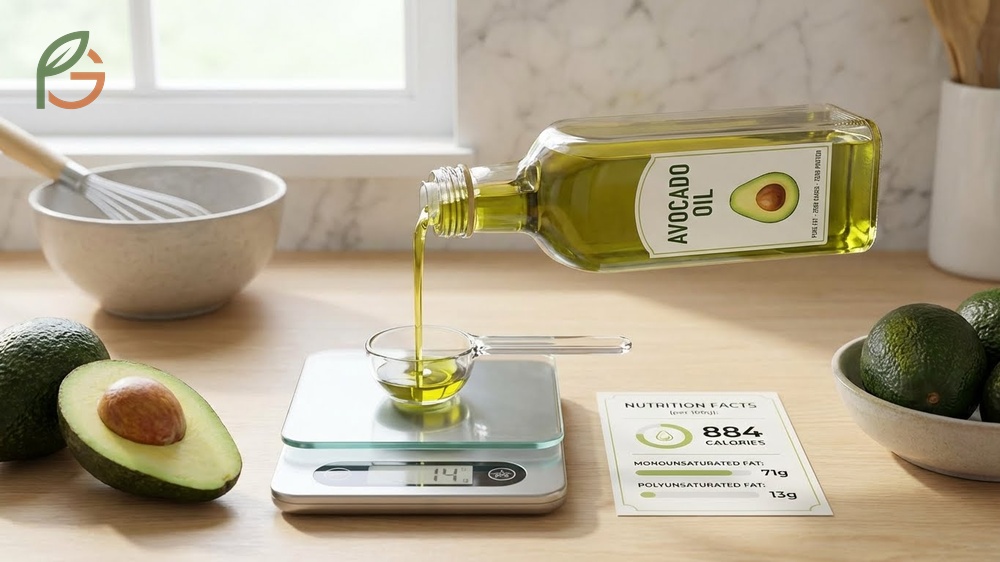
Avocado oil stands out nutritionally as pure fat with zero carbohydrates and zero protein. According to USDA data, 100 grams contains 884 calories[2], making it calorie-dense like all oils. This concentrated energy source means you’ll need to measure portions carefully if you’re monitoring calorie intake.
The fat breakdown reveals why nutrition experts recommend it. Monounsaturated fats comprise 71 grams per 100g, polyunsaturated fats account for 13 grams, and saturated fats make up 12 grams. This composition delivers approximately 154% of the daily value for total fats in just 100 grams, though typical serving sizes are much smaller.
What’s interesting is that avocado oil contains virtually no micronutrients besides fat-soluble vitamin E. It doesn’t provide vitamins A, C, or minerals like calcium or iron. The health benefits come almost entirely from the fatty acid profile and antioxidant compounds, not from a broad micronutrient spectrum.
This table compares macronutrient content, calorie density, and fatty acid profiles across typical serving sizes of avocado oil
| Serving Size | Calories | Total Fat | Monounsaturated | Polyunsaturated | Saturated |
|---|---|---|---|---|---|
| 1 tablespoon (14g) | 124 cal[2] | 14g | 9.9g | 1.8g | 1.7g |
| 100g (about 7 tbsp) | 884 cal[2] | 100g | 71g | 13g | 12g |
- Zero carbohydrates—suitable for ketogenic and low-carb diets
- Zero protein—not a source of amino acids
- Contains vitamin E as the primary micronutrient
- Provides 124 calories per tablespoon, similar to other cooking oils
- Lacks vitamins A, C, and mineral content found in whole avocados
Avocado Oil vs Olive Oil
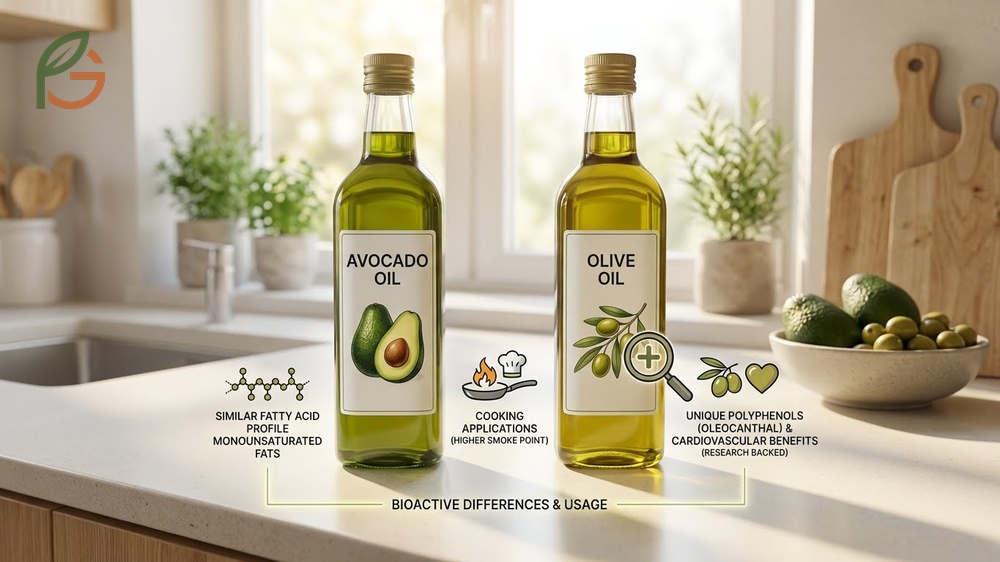
Both oils share remarkably similar fatty acid profiles, with monounsaturated fats dominating their composition. The main difference lies in bioactive compounds—extra virgin olive oil contains unique polyphenols like oleocanthal that provide additional anti-inflammatory benefits. Decades of Mediterranean diet research back olive oil’s cardiovascular advantages, while avocado oil lacks the same depth of long-term human studies.
For cooking applications, avocado oil wins on heat tolerance. Refined avocado oil’s 270°C (518°F) smoke point[3] surpasses extra virgin olive oil’s approximately 190°C (374°F) smoke point. This makes avocado oil better for high-heat methods like searing steaks or stir-frying at maximum temperature, while olive oil excels in dressings and medium-heat cooking.
Price and availability differ significantly between regions. Olive oil dominates globally with established production and distribution networks. Avocado oil costs more per ounce in most markets and faces quality control issues—some brands dilute pure avocado oil with cheaper oils. Always check for third-party testing certifications when purchasing.
- Smoke point: Avocado oil tolerates higher temperatures without degrading
- Polyphenols: Olive oil contains more diverse anti-inflammatory compounds
- Research backing: Olive oil has decades more clinical evidence for health claims
- Flavor profile: Olive oil offers fruity notes; avocado oil tastes neutral when refined
- Cost: Avocado oil typically runs 2-3x more expensive per volume
- Versatility: Both work well for cooking, dressings, and marinades
Practical Tip: Use avocado oil for high-heat cooking (over 400°F) and extra virgin olive oil for salads, drizzling, and medium-heat sautéing. This strategy maximizes each oil’s strengths while staying within budget.
Refined vs Unrefined Avocado Oil
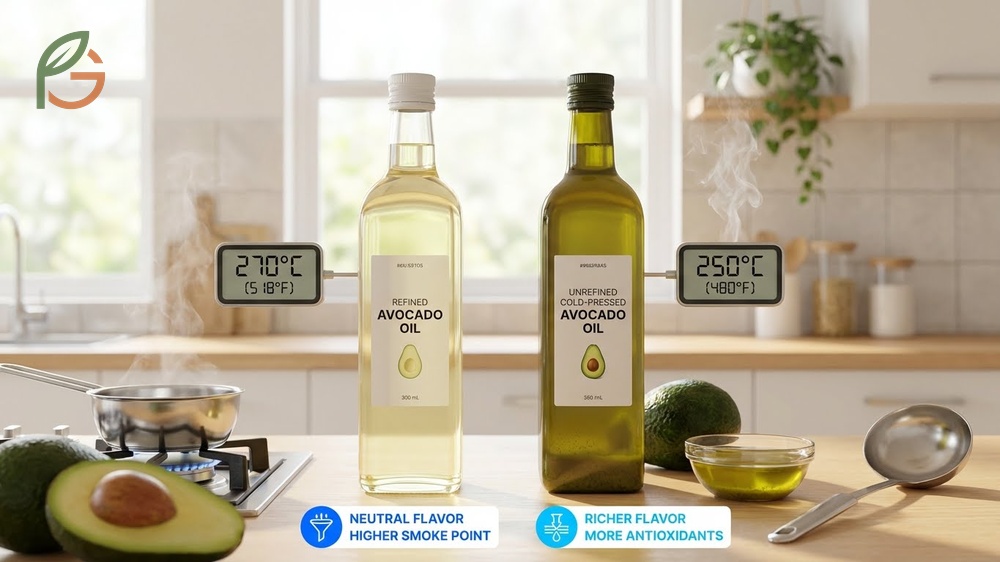
The processing method dramatically affects smoke point and flavor characteristics. Refined avocado oil undergoes filtering and sometimes chemical processing to remove impurities, resulting in a neutral taste and higher smoke point of 270°C (518°F). Unrefined cold-pressed versions maintain more natural compounds but have a lower smoke point around 250°C (480°F)[3] and a richer, more pronounced flavor.
Cold-pressed avocado oil preserves more antioxidants and bioactive compounds from the original fruit. The mechanical extraction process doesn’t use heat or chemicals, keeping the oil closer to its natural state. However, this comes with trade-offs: shorter shelf life, higher price, and less versatility for extremely high-heat cooking applications.
For everyday cooking, refined avocado oil offers better value and performance. It won’t smoke during normal frying or roasting, and the neutral flavor won’t compete with other ingredients. Reserve unrefined versions for dishes where you want a subtle avocado taste or need maximum antioxidant content, like salad dressings or finishing drizzles on completed dishes.
| Type | Smoke Point | Flavor | Best Uses |
|---|---|---|---|
| Refined | 270°C (518°F)[3] | Neutral, mild | High-heat frying, grilling, roasting |
| Unrefined (Cold-Pressed) | 250°C (480°F)[3] | Richer, pronounced | Dressings, marinades, low-heat cooking |
- Refined versions cost less and last longer in storage
- Unrefined oils retain more original antioxidants and nutrients
- Cold-pressed extraction preserves natural flavor compounds
- Refined oil works better for recipes requiring neutral taste
- Both types maintain healthy monounsaturated fat content
Conclusion
The evidence is clear: avocado oil is healthy and deserves a place in your kitchen. With 71% monounsaturated fats, exceptional heat stability, and proven cardiovascular benefits, it outperforms many common cooking oils. Research shows it reduces inflammation, improves cholesterol profiles, and provides antioxidant protection—all while tolerating high-heat cooking that would damage less stable oils.
Current nutritional guidance emphasizes choosing fats wisely rather than avoiding them entirely. Avocado oil fits perfectly into this modern understanding, offering Mediterranean diet benefits with practical cooking advantages. At FruitGarden, we recommend using refined avocado oil for everyday high-heat cooking and reserving unrefined versions for dressings where you want maximum antioxidant content and subtle flavor.
Medical Disclaimer
Important Medical Disclaimer: This content is for informational and educational purposes only. It is not intended as a substitute for professional medical advice, diagnosis, or treatment. Always consult a qualified healthcare professional or registered dietitian before making any significant changes to your diet, especially if you have cardiovascular disease, diabetes, allergies, or other medical conditions. Individual nutritional needs vary based on health status, medications, and personal circumstances.
Frequently Asked Questions
Is avocado oil good for you?
Yes, avocado oil is excellent for you when consumed as part of a balanced diet. Research demonstrates it contains 71% heart-healthy monounsaturated fats that reduce bad cholesterol and support cardiovascular health. Studies also show it provides antioxidants that combat inflammation and oxidative stress throughout your body.
Is avocado oil a seed oil?
No, avocado oil is not a seed oil—it’s extracted from the fruit pulp of avocados, not from seeds. This distinction matters because seed oils like soybean and corn oil typically contain much higher omega-6 fatty acid ratios. Avocado oil’s fatty acid profile more closely resembles olive oil, with predominantly monounsaturated fats rather than the polyunsaturated fats common in seed oils.
What is the smoke point of avocado oil?
Refined avocado oil has an exceptionally high smoke point of 270°C (518°F), while unrefined cold-pressed versions reach about 250°C (480°F). These temperatures make avocado oil ideal for high-heat cooking methods like frying, grilling, and roasting without breaking down or forming harmful compounds. This smoke point exceeds most common cooking oils including olive oil, coconut oil, and all seed oils.
Is avocado oil bad for you?
No, avocado oil isn’t bad for you when consumed in appropriate amounts. Like all oils, it’s calorie-dense at 124 calories per tablespoon, so portion control matters if you’re watching your weight. The only potential concern is that some commercial brands dilute pure avocado oil with cheaper oils, so buy from reputable sources with third-party testing certifications.
Is avocado oil inflammatory?
No, avocado oil is anti-inflammatory, not inflammatory. Research shows it reduces inflammatory markers like C-reactive protein and interleukin-6 in human studies. The oil’s high monounsaturated fat content, combined with vitamin E and phenolic compounds, actively inhibits inflammatory protein production. Studies demonstrate it can even counteract the inflammatory effects of less healthy foods when consumed together.
Does avocado oil contain omega-3?
Yes, but avocado oil contains very low amounts of omega-3 fatty acids. A tablespoon provides only about 134mg of omega-3s compared to 1,754mg of omega-6s, creating an unfavorable 13:1 ratio. For adequate omega-3 intake, you’ll need to include fatty fish, walnuts, flaxseeds, or chia seeds in your diet alongside avocado oil.
How does avocado oil compare to olive oil for heart health?
Both oils support heart health through monounsaturated fats, but olive oil has more extensive research backing its cardiovascular benefits. Extra virgin olive oil contains unique polyphenols like oleocanthal that provide additional anti-inflammatory protection. However, avocado oil offers comparable cholesterol-lowering effects and superior heat stability for cooking. Most nutrition experts recommend keeping both oils in your kitchen for different applications.





