
Is avocado good for weight loss? Yes, when eaten in moderation as part of a calorie-controlled diet. Research shows that avocados increase satiety for 5-6 hours and provide healthy fats that don’t cause weight gain when consumed within your daily calorie goals[1]. While a medium avocado contains 240 calories, studies demonstrate that including one avocado daily in a hypocaloric diet supports weight loss similar to diets without avocado[3]. FruitGarden synthesizes current nutrition research to help you understand how avocados fit into effective weight management plans.
Quick Answer
- Avocados support weight loss by increasing satiety for 5-6 hours[1]
- One medium avocado contains 240 calories, 22g fat, and 10g fiber[2]
- Studies show similar weight loss with or without avocado in calorie-controlled diets[3]
- Best consumed at breakfast for maximum appetite control throughout the day
Is Avocado Good for Weight Loss
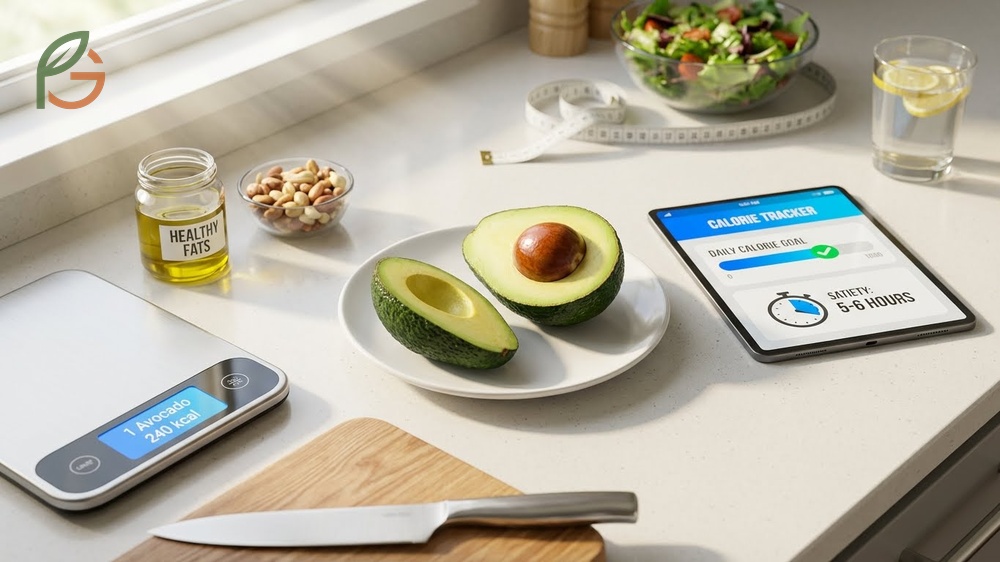
Research demonstrates that avocados can support weight loss when incorporated into a calorie-controlled eating plan. Studies show that adding one whole avocado daily to a hypocaloric diet for 12 weeks resulted in similar weight loss compared to control groups without avocado[3]. What’s particularly interesting is that participants in both groups lost around 2.3-2.6 kg while experiencing decreases in body fat percentage and visceral adipose tissue[3].
The key lies in understanding that avocados don’t directly cause weight loss or gain. Current data indicates that total calorie intake remains the primary factor determining weight changes. However, avocados offer unique advantages that make calorie restriction easier to maintain over time.
Evidence suggests that replacing high-carbohydrate foods with avocado enhances meal satisfaction without increasing total calories. This substitution strategy helps you naturally eat less throughout the day without feeling deprived.
Satiety and Appetite Control
Studies demonstrate that avocados significantly enhance feelings of fullness after meals. Research involving overweight and obese individuals found that whole avocado consumption suppressed hunger more effectively than meals without avocado over a 6-hour period[1]. Participants who ate meals containing a whole avocado reported greater satisfaction and reduced desire to eat compared to control meals[1].
The satiety effect appears to work through multiple mechanisms. Avocados slow gastric emptying and delay nutrient absorption, which modulates glucose and insulin responses. They also influence gut hormones involved in appetite regulation, particularly peptide YY (PYY), which signals fullness to your brain.
Important Note: The satiety benefits of avocados work best when they replace refined carbohydrates, not when simply added on top of your current calorie intake. You’ll need to make strategic substitutions to stay within your weight loss calorie goals.
Clinical Trial Evidence
A systematic review and meta-analysis examining randomized controlled trials found that avocado consumption showed no significant change in body weight, BMI, or body fat percentage when compared to control groups[4]. This finding reinforces an important principle: avocados won’t magically melt away pounds, but they won’t cause weight gain either when portion-controlled.
What matters most is how avocados fit into your overall dietary pattern. Research across 657 participants confirmed that including avocados in weight management programs doesn’t hinder progress. The fruit’s high fat and fiber content can actually make restrictive diets more sustainable long-term.
Avocado Calories and Nutrition Facts
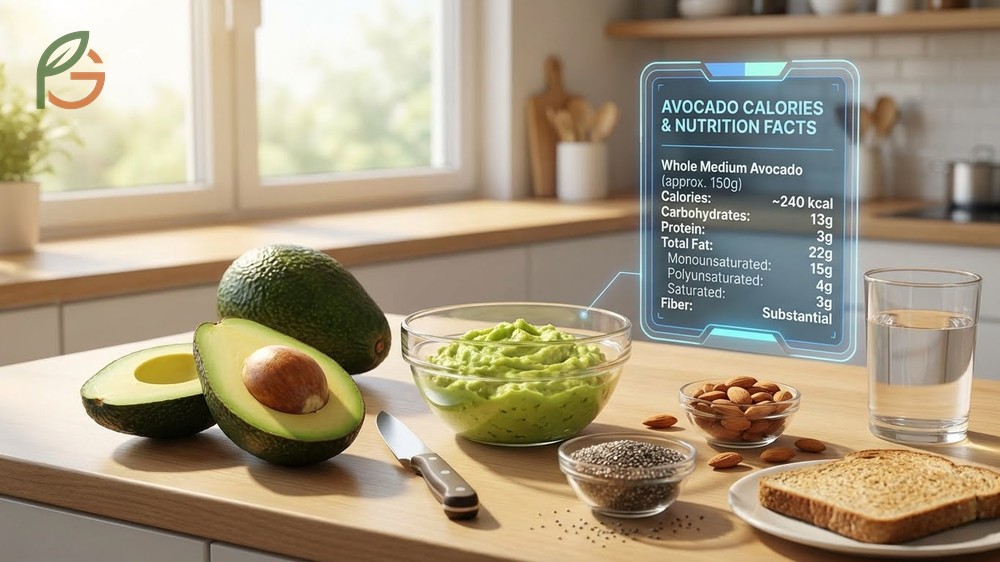
Understanding avocado’s nutritional profile helps you incorporate this fruit strategically into your weight loss plan. A whole medium avocado (about 150g) contains approximately 240 calories, 13 grams of carbohydrate, 3 grams of protein, and 22 grams of fat[2]. The fat composition breaks down to 15 grams monounsaturated, 4 grams polyunsaturated, and 3 grams saturated[2].
Avocados provide substantial fiber content that supports digestive health and weight management. A medium fruit delivers 10 grams of fiber[2], which represents about 40% of the daily recommended intake for most adults. They also contain zero cholesterol and minimal sodium (11 milligrams)[2].
Macronutrient Breakdown
Most of avocado’s calories come from fat, which accounts for roughly 77% of total energy. Don’t let this scare you—these are predominantly heart-healthy monounsaturated fats. The remaining calories split between carbohydrates (18%) and protein (5%).
The carbohydrate content deserves closer examination for weight loss purposes. Of the 13 grams of total carbs in a medium avocado, 10 grams come from fiber. This leaves only 3 grams of net carbohydrates that impact blood sugar levels, making avocados an excellent choice for blood sugar management.
This table compares nutritional values across different avocado serving sizes from half to whole fruit
| Serving Size | Calories | Total Fat | Fiber | Net Carbs |
|---|---|---|---|---|
| 1/3 avocado (~50g) | 80 | 7g | 3.3g | 1g |
| 1/2 avocado (~75g) | 120 | 11g | 5g | 1.5g |
| 1 medium avocado (~150g) | 240[2] | 22g[2] | 10g[2] | 3g |
| 1 large avocado (~200g) | 322[5] | 29g[5] | 14g[5] | 3g |
Portion Size Matters
For weight loss, experts recommend starting with one-third to one-half of a medium avocado per serving (50-75 grams). This portion provides 80-120 calories while delivering substantial nutritional benefits. You can consume up to one whole avocado daily within a calorie-controlled diet without compromising weight loss goals.
The recommended daily serving varies based on your total calorie target. If you’re following a 1,500-calorie weight loss plan, one whole avocado (240 calories) represents 16% of your daily intake. Most people find that half an avocado paired with lean protein creates a satisfying meal that prevents overeating later.
Avocado Fat Content: Healthy Fats for Weight Loss
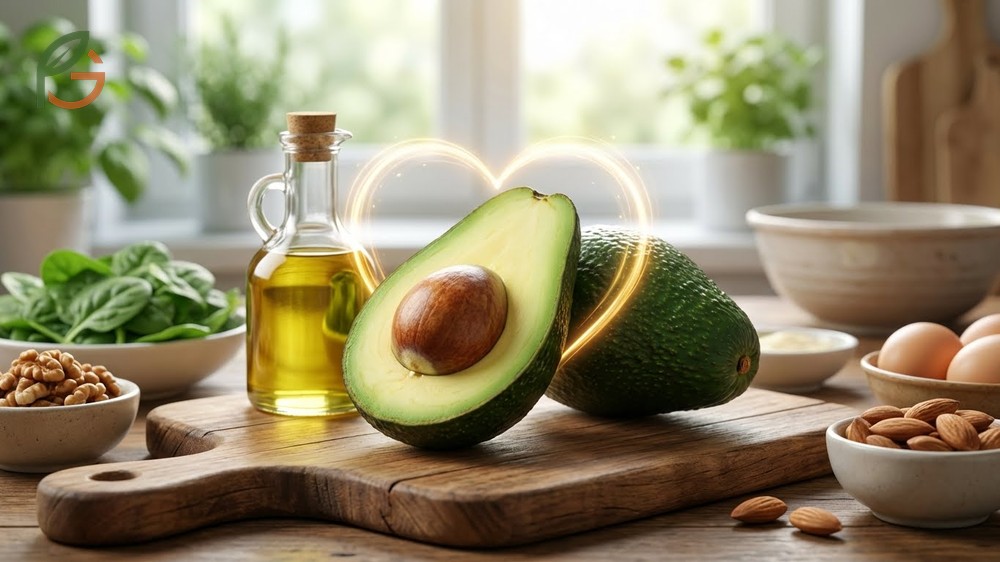
Avocados contain approximately 15 grams of monounsaturated fatty acids per medium fruit, making them one of the richest plant sources of these heart-healthy fats[2]. Monounsaturated fats support cardiovascular health and don’t trigger the inflammatory responses associated with saturated and trans fats. These fats also enhance absorption of fat-soluble vitamins A, D, E, and K from other foods you eat.
Current nutrition research emphasizes that fat quality matters more than quantity for weight management. Studies demonstrate that replacing refined carbohydrates with healthy fats from sources like avocado improves metabolic health markers without causing weight gain. The high fat content actually works in your favor by slowing digestion and extending the time you feel satisfied after eating.
Research shows that meals containing whole avocado triggered different metabolic responses compared to low-fat, high-carbohydrate meals. Avocado consumption led to more favorable changes in hunger hormones and blood lipid profiles[3]. Participants eating avocados experienced decreases in inflammatory markers like C-reactive protein and triglycerides alongside their weight loss[3].
- Slows stomach emptying to extend satiety duration by 5-6 hours after meals
- Reduces blood sugar spikes by moderating carbohydrate absorption rates
- Increases absorption of carotenoids and fat-soluble vitamins from vegetables
- Supports hormone production essential for metabolism and appetite regulation
- Provides sustained energy without the crashes associated with high-sugar foods
- Helps maintain muscle mass during calorie restriction by providing adequate fat intake
Weight Loss Tip: Pair half an avocado with high-protein foods like eggs, Greek yogurt, or lean chicken. This combination maximizes satiety while keeping calories in check for effective fat loss.
Are Avocados Good for Keto Diet
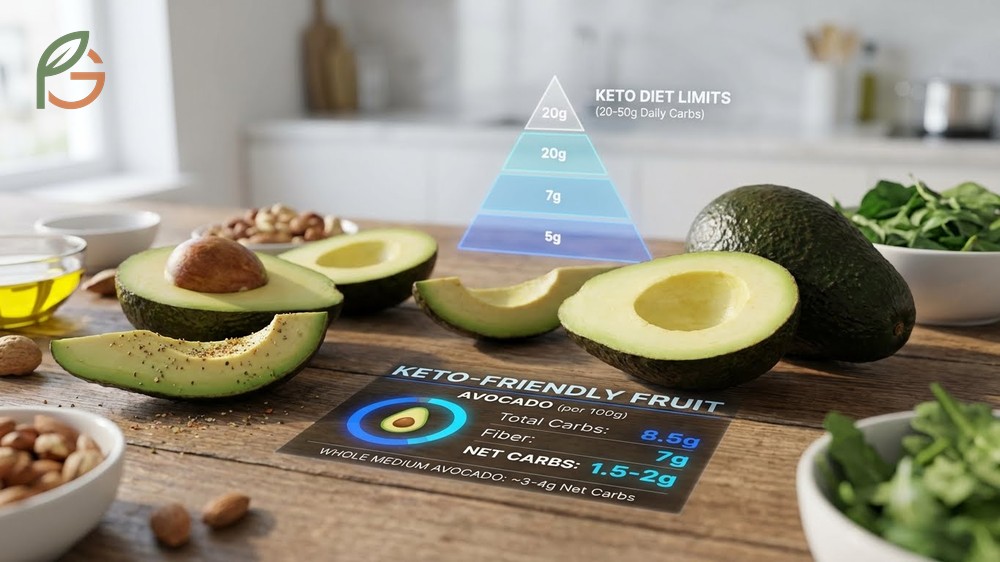
Avocados rank as one of the most keto-friendly fruits available due to their exceptional macronutrient profile. They contain only 8.5 grams of total carbohydrates per 100 grams, with nearly 7 grams coming from fiber[6]. This leaves approximately 1.5-2 grams of net carbs per 100-gram serving, well within the strict ketogenic diet limits of 20-50 grams total daily carbs.
A whole medium avocado delivers roughly 3-4 grams of net carbohydrates, meaning you could theoretically consume 2-3 avocados daily while maintaining ketosis. The high fat content (77% of calories) aligns perfectly with keto macronutrient ratios, which typically require 70-80% of calories from fat. Most keto dieters find that 1-2 avocados per day provides optimal nutrition without exceeding carb limits.
The monounsaturated fats in avocados support ketone production and help your body efficiently use fat for fuel. Evidence suggests that avocado consumption on keto diets improves adherence by adding variety, texture, and satisfaction to meals that might otherwise feel restrictive.
- Net carbs remain under 2g per 100g serving, leaving room for vegetables and nuts
- High fat content supports ketone production and sustained energy levels
- Zero sugar content prevents blood glucose spikes that could interrupt ketosis
- Potassium content (485mg per 100g) helps prevent keto flu symptoms
- Fiber supports digestive health often compromised on very low-carb diets
Keto Portion Guide: Half an avocado contains approximately 1.5-2g net carbs, making it an ideal addition to one or two meals per day on strict keto. Track your total daily carb intake to ensure avocados fit within your personalized limit.
Best Time to Eat Avocado for Weight Loss

Research indicates that consuming avocado at breakfast provides maximum weight loss benefits throughout the day. Morning consumption induces satiety that lasts 5-6 hours, reducing mid-morning snack cravings and decreasing total calorie intake at lunch. Studies found that people who ate avocado at breakfast experienced lower blood sugar and fat levels compared to those eating carbohydrate-heavy morning meals.
Breakfast timing works because it sets your metabolic tone for the entire day. Starting with avocado’s combination of healthy fats and fiber stabilizes blood sugar from the first meal, preventing the energy crashes that lead to poor food choices later. The extended satiety helps you naturally eat smaller portions at subsequent meals without conscious restriction.
Lunchtime consumption also shows benefits for weight management. Research demonstrates that individuals eating avocado at lunch consumed fewer calories during the rest of the day compared to avocado-free lunches. The afternoon satiety effect prevents the common 3-4 PM energy slump that drives many people toward vending machines or coffee shop pastries.
Evening consumption requires more careful consideration. Some evidence suggests that avocados might keep certain individuals awake due to their amino acid content, which can stimulate brain activity. However, other research points to potential sleep benefits from avocado’s high potassium content (485mg per 100g), which may promote uninterrupted rest. If you’re uncertain how avocados affect your sleep, stick to morning or afternoon consumption initially.
- Breakfast (6-9 AM): Pair half an avocado with eggs or whole grain toast for sustained energy
- Mid-morning snack (10-11 AM): Combine quarter avocado with raw vegetables if breakfast was light
- Lunch (12-2 PM): Add half avocado to salads or grain bowls to extend afternoon satiety
- Pre-workout (1-2 hours before): Small portion (1/4 avocado) provides sustained energy without digestive distress
- Post-workout: Avoid immediately after exercise; the high fat content slows nutrient absorption when you need quick recovery
Timing Strategy: For maximum weight loss results, consume your largest avocado portion at breakfast and avoid eating it within 3 hours of bedtime. This approach capitalizes on extended daytime satiety while preventing potential sleep disruption.
How to Eat Avocado for Weight Loss
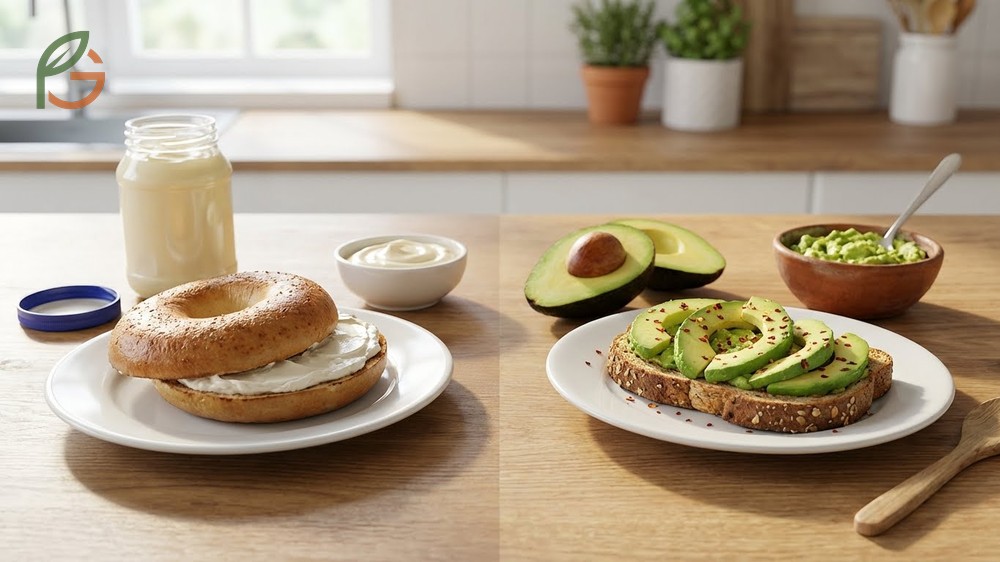
The most effective strategy involves replacing high-calorie, low-nutrient foods with avocado rather than simply adding it to your current intake. Trade your morning bagel with cream cheese (450 calories) for whole grain toast with half an avocado (280 calories) and save 170 calories while increasing fiber and healthy fats. Swap mayo-based sandwich spreads (90-100 calories per tablespoon) for mashed avocado (25 calories per tablespoon) to cut calories by 75% per serving.
Strategic pairing amplifies avocado’s weight loss benefits. Combine it with lean proteins like grilled chicken, fish, or eggs to create complete meals with optimal macronutrient balance. The protein-fat combination maximizes satiety and preserves muscle mass during calorie restriction. Add avocado to leafy green salads to dramatically increase absorption of fat-soluble vitamins and carotenoids from the vegetables.
Preparation methods matter for calorie control. Mashing avocado as a spread lets you control portions precisely and ensures even distribution across your meal. Slicing creates visual satisfaction with less total volume—six to eight slices from half an avocado looks abundant on a plate while staying within your calorie budget.
- Breakfast: Mash 1/4 avocado onto scrambled eggs with salsa (replaces cheese, saves 60 calories)
- Smoothie base: Blend 1/4 avocado with spinach, protein powder, and berries for creamy texture without banana calories
- Salad topping: Dice 1/3 avocado over mixed greens instead of 2 tablespoons dressing (saves 80-100 calories)
- Snack: Slice 1/4 avocado with cucumber and lime juice for a 50-calorie afternoon snack
- Sandwich spread: Replace 2 tablespoons mayo with 2 tablespoons mashed avocado (saves 140 calories)
- Soup garnish: Top vegetable or chicken soup with thin avocado slices for added richness (1/4 avocado adds 60 calories)
Portion control remains critical even with healthy foods. Measure your avocado servings initially using a food scale until you can accurately estimate portions by sight. One-third of a medium avocado equals roughly 50 grams and 80 calories—a reasonable starting point for weight loss. You can gradually increase to half an avocado (120 calories) as you monitor your progress and adjust total daily calories accordingly.
Meal Prep Tip: Pre-portion avocados by cutting them into thirds or halves, then storing the unused portions with pit intact and lemon juice applied to cut surfaces. This prevents oxidation and makes portion control effortless throughout the week.
Conclusion
The evidence is clear: is avocado good for weight loss depends entirely on how you incorporate it into your overall eating pattern. Avocados won’t cause weight gain when consumed in appropriate portions as part of a calorie-controlled diet, and they offer unique satiety benefits that make restrictive eating plans more sustainable. Studies demonstrate that one avocado daily supports similar weight loss outcomes as diets without avocado while providing superior metabolic health improvements[3].
Current nutrition guidance emphasizes food quality over simple calorie counting, and avocados exemplify this principle perfectly. Their combination of healthy fats, fiber, and micronutrients addresses multiple weight management challenges simultaneously—controlling appetite, stabilizing blood sugar, reducing inflammation, and enhancing nutrient absorption from other foods. FruitGarden recommends starting with half an avocado at breakfast to experience the extended satiety benefits that help you naturally consume fewer calories throughout the day.
Medical Disclaimer
Important Medical Disclaimer: This content is for informational and educational purposes only. It is not intended as a substitute for professional medical advice, diagnosis, or treatment. Always consult a qualified healthcare professional or registered dietitian before making any significant changes to your diet, starting a weight loss program, or if you have existing medical conditions, food allergies, or take medications that might interact with dietary changes. Individual nutritional needs vary based on age, activity level, health status, and other factors. What works for weight loss in one person may not produce the same results for another.
Frequently Asked Questions
How Many Avocados a Day for Weight Loss?
Most research supports consuming one avocado daily for weight loss, which provides approximately 240 calories. Start with half an avocado per day (120 calories) if you’re on a strict calorie budget below 1,500 calories daily. You can eat up to one whole avocado without hindering weight loss progress, provided you account for these calories in your daily total and make appropriate substitutions for higher-calorie foods.
Does Avocado Make You Fat?
No, avocado doesn’t make you fat when consumed in appropriate portions within your calorie needs. Studies show that including one avocado daily in calorie-controlled diets results in weight loss similar to diets without avocado. Weight gain only occurs when total calorie intake exceeds expenditure, regardless of food source. The key is replacing high-calorie processed foods with avocado rather than adding it on top of your current intake.
Can Avocado Make You Fat If You Eat Too Much?
Yes, eating excessive amounts of any food, including avocado, can lead to weight gain if it pushes you over your daily calorie requirements. Two large avocados provide around 640 calories, which represents nearly half the daily calorie budget for someone on a 1,500-calorie weight loss plan. Practice portion control by measuring servings and tracking total daily calories to ensure avocados support rather than sabotage your weight loss goals.
Is Avocado Good for Fat Loss Specifically?
Research shows that avocado consumption during weight loss helps reduce total body fat percentage and visceral adipose tissue when combined with calorie restriction. The monounsaturated fats in avocados support fat metabolism and help preserve lean muscle mass during calorie deficits. Studies found significant decreases in visceral fat among participants eating one avocado daily as part of hypocaloric diets, with reductions averaging 81-87 grams over 12 weeks.
What’s the Best Way to Eat Avocado for Weight Loss?
The best approach involves eating half an avocado at breakfast paired with protein sources like eggs or Greek yogurt. This combination maximizes satiety for 5-6 hours and reduces total calorie intake throughout the day. Use mashed avocado as a replacement for high-calorie spreads like mayo or butter, add sliced avocado to salads instead of heavy dressings, or blend small amounts into smoothies for creamy texture without excessive calories.
Are Avocados Fattening Compared to Other Fruits?
Avocados contain significantly more calories than most fruits due to their high fat content—240 calories per medium avocado versus 95 calories for a medium apple. However, “fattening” depends on total diet context rather than individual foods. Avocados provide superior satiety and nutritional benefits compared to high-sugar fruits, often leading to lower overall calorie consumption despite their higher calorie density. The fiber and healthy fats make portion-controlled avocado consumption less likely to promote weight gain than equivalent calories from sugar-rich fruits.
Can I Drink Avocado Smoothies for Weight Loss?
Yes, avocado smoothies can support weight loss when properly portioned and combined with low-calorie ingredients. Use one-quarter to one-third of an avocado (60-80 calories) blended with unsweetened almond milk, protein powder, leafy greens, and berries. Avoid adding high-calorie ingredients like full-fat milk, sweeteners, or excessive fruit that can push smoothie calories above 400. The avocado provides creamy texture and satiety without needing banana or yogurt, keeping total calories controlled while delivering satisfying nutrition.





