
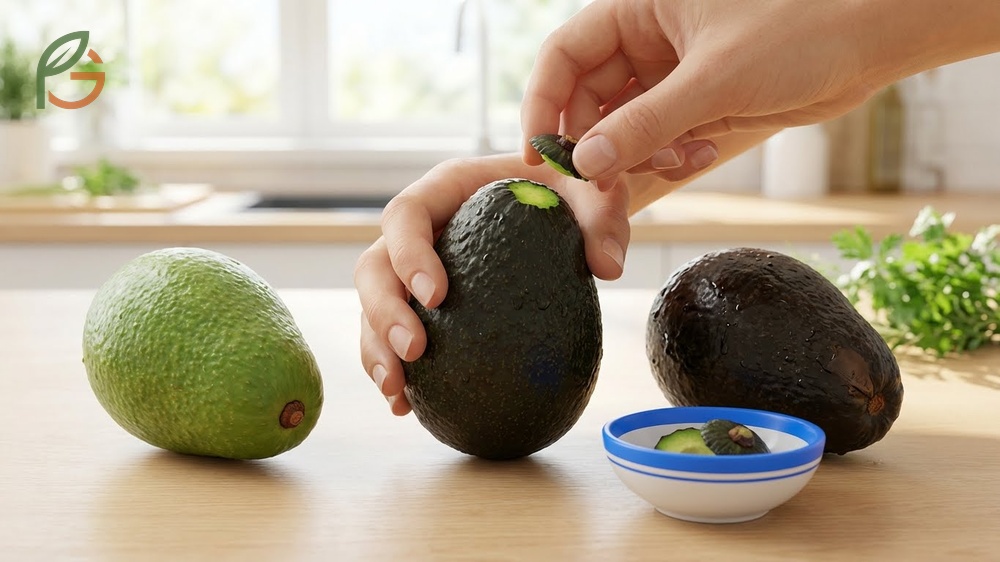
How to tell if an avocado is ripe? Research shows you can check three key indicators: skin color (Hass avocados turn dark green to nearly black), firmness when gently squeezed, and the color under the stem nub. A ripe avocado yields slightly to pressure and shows green underneath when you remove the small stem cap[1]. FruitGarden synthesizes current agricultural data and expert grower insights to help you pick perfectly ripe fruit every time.
Quick Answer
- Color test: Hass avocados shift from bright green to dark or nearly black when ripe[2]
- Firmness test: Gently squeeze—ripe avocados yield slightly but keep their shape
- Stem nub test: Remove the cap; green underneath means perfect ripeness[1], brown indicates overripe
- Ripening time: Unripe avocados take 4-5 days at room temperature[3]
How to Tell if an Avocado is Ripe
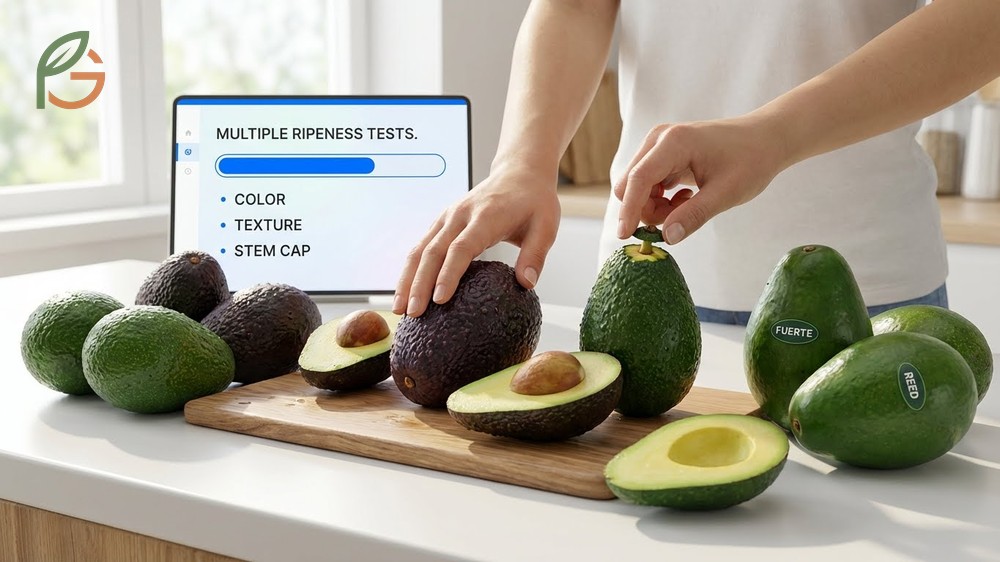
Studies demonstrate that combining multiple ripeness tests gives you the most accurate results. The most reliable methods focus on color changes, texture response, and what’s hidden under that tiny stem cap at the top of the fruit[2].
What often gets overlooked is that avocado variety matters more than most people realize. Hass avocados change dramatically in color, while Fuerte or Reed varieties stay green even when perfectly ripe. This means you can’t rely on color alone—that’s where the touch and stem tests become essential.
Visual Color Check for Different Varieties
Research shows Hass avocados transition from bright green to a deep brownish-purple or nearly black tone as they ripen[2]. When the skin darkens evenly across the entire fruit, ripeness is likely.
For varieties like Fuerte, Bacon, or Reed that maintain green skin, color isn’t a reliable indicator. You’ll need to combine visual checks with firmness and stem tests for accuracy.
From My Experience: My cousin in Guadalajara, Mexico grows Hass avocados in her backyard. She noticed that fruits ripening in partial shade showed more even color transition compared to those in direct sun—matching the grower guidance about controlled ripening environments.
The Firmness Squeeze Test
Current data indicates texture provides one of the most accurate ripeness assessments. When you grip an avocado like a baseball and apply gentle pressure with your palm (not fingertips), a ripe fruit yields slightly while maintaining its shape[2].
Hard avocados need more time—anywhere from 2-5 days depending on initial firmness. If the fruit feels mushy or your fingers leave indentations, it’s already past peak quality and may have brown spots inside.
Stem Nub Removal Method
Agricultural experts consider the stem test the most revealing indicator. Gently flick off the small stem cap at the top of the avocado[1]. If you see bright green underneath and the nub removes easily, the avocado’s ready to eat.
Brown color under the stem signals overripeness, while pale yellow-green with a difficult-to-remove cap means the fruit needs another 1-2 days. This method works across all avocado varieties regardless of external skin color.
Important Note: Don’t squeeze avocados with your fingertips at the store—this bruises the flesh and creates those frustrating brown spots inside. Use your entire palm instead to distribute pressure evenly.
Understanding Avocado Ripeness Stages
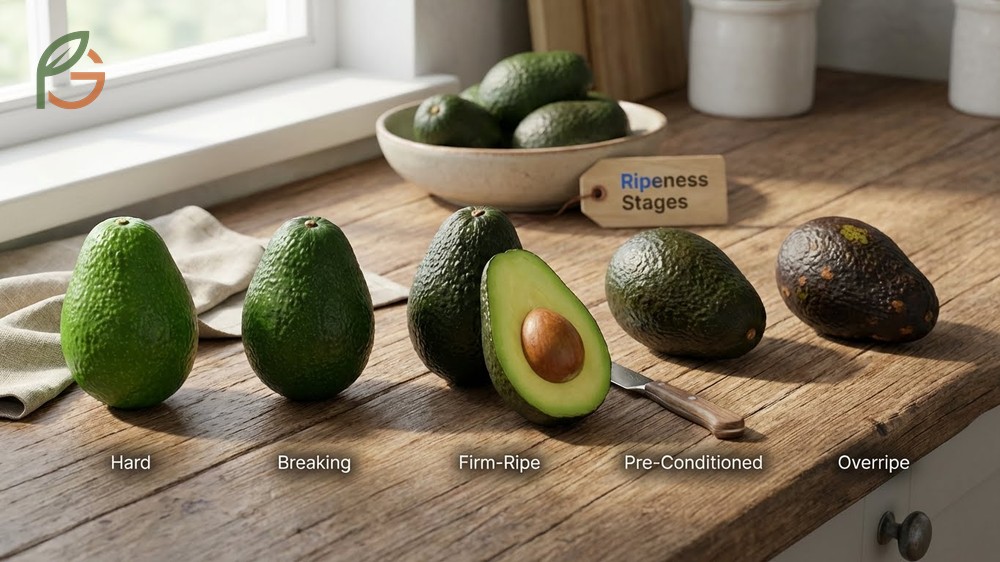
Evidence suggests avocados move through five distinct ripening stages from harvest to overripe. Each stage has specific characteristics that affect both texture and flavor development[4].
Understanding these stages helps you plan purchases better. If you need avocados for immediate use, look for firm-ripe fruits. For use later in the week, choose breaking or pre-conditioned stages that’ll ripen on your counter.
This table compares the five avocado ripeness stages from hard to ripe, showing color, firmness, days to ripen, and best uses for each stage
| Stage | Color (Hass) | Firmness | Days to Ripe | Best Use |
|---|---|---|---|---|
| Hard | Bright green | Very firm, no give | 4-5 days[4] | Purchase for later use |
| Breaking | Green with slight darkening | Firm but starts to soften | 2 days[4] | Plan ahead meals |
| Firm-Ripe | Dark green to purple | Yields slightly to pressure | Ready now | Slicing, salads |
| Ripe | Dark purple to black | Soft but not mushy | Use within 1-2 days | Guacamole, spreads |
| Overripe | Black with soft spots | Mushy, leaves dents | Past prime | Smoothies only |
- Hard stage avocados work best when you’re shopping 4-5 days ahead—they won’t ripen overnight
- Breaking stage fruits show the first signs of softening and need about 48 hours to reach peak ripeness
- Firm-ripe avocados are ideal for slicing because they hold their shape without turning mushy
- Ripe stage fruits feel soft to gentle palm pressure and are perfect for mashing into guacamole or spreads
- Overripe avocados often have stringy brown flesh inside but can still work for smoothies if not moldy
How to Ripen Avocados Faster
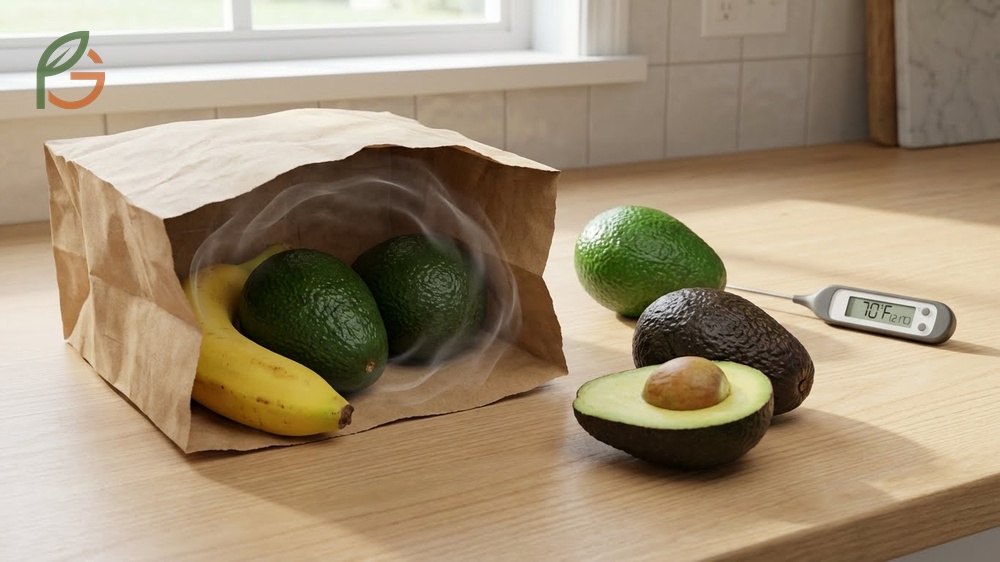
Current guidance emphasizes natural ripening methods that leverage ethylene gas production. Avocados produce this plant hormone naturally as they mature, and you can speed up the process by concentrating the gas around the fruit[5].
At room temperature (65-75°F or 18-24°C), most hard avocados ripen within 4-5 days on their own[3]. These methods can cut that time in half for those situations when you need ripe fruit tomorrow instead of next week.
The Paper Bag Method
Research shows placing avocados in a brown paper bag creates an enclosed environment that traps ethylene gas. This accelerates ripening because the concentration of gas stays high around the fruit instead of dispersing into your kitchen[5].
Fold the top of the bag loosely—don’t seal it tightly. Check the avocado daily by performing the gentle squeeze test. Most fruits reach firm-ripe stage within 1-2 days using this technique.
Banana Ripening Trick
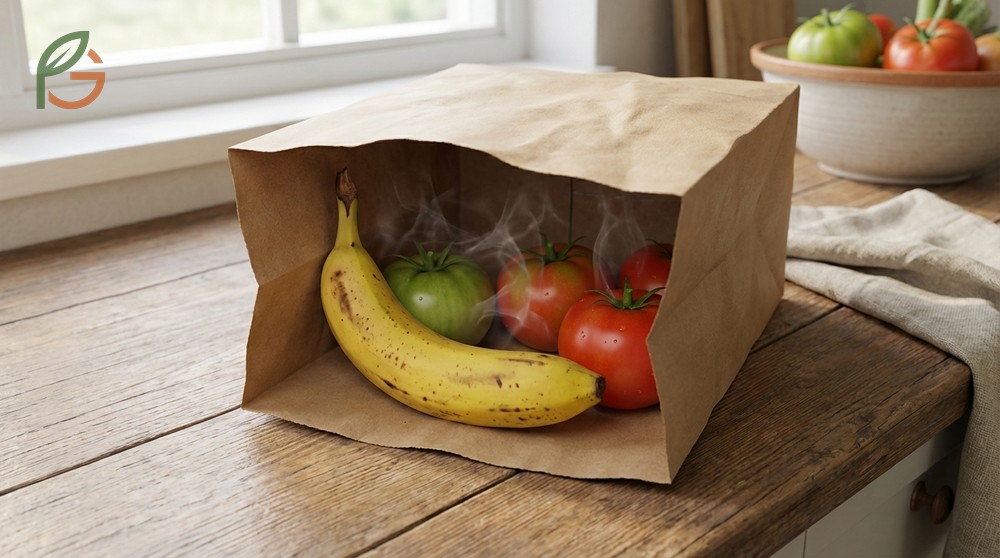
Agricultural data shows ripe bananas produce significantly more ethylene gas than most other fruits. When you place a banana inside the paper bag with your avocado, the combined ethylene output can reduce ripening time to 24 hours or less[6].
Use one ripe banana per 2-3 avocados for best results. Check the bag every morning since ripening happens fast—you don’t want to miss the perfect window and end up with mushy fruit.
Pro Tip: Never try to ripen avocados in the microwave. While some sources suggest this, it doesn’t actually ripen the fruit—it just heats and softens it temporarily while destroying the creamy texture and flavor you want.
- Store unripe avocados at room temperature between 65-75°F (18-24°C)—cooler temps slow ripening dramatically
- Keep avocados out of direct sunlight, which can cause uneven ripening and tough spots
- Check paper bag avocados daily since ripening accelerates quickly once it starts
- Once ripe, move avocados to the refrigerator where they’ll stay fresh for 2-3 days[3]
- You can slow ripening by refrigerating hard avocados for up to 2 weeks, then bringing them to room temp to finish ripening
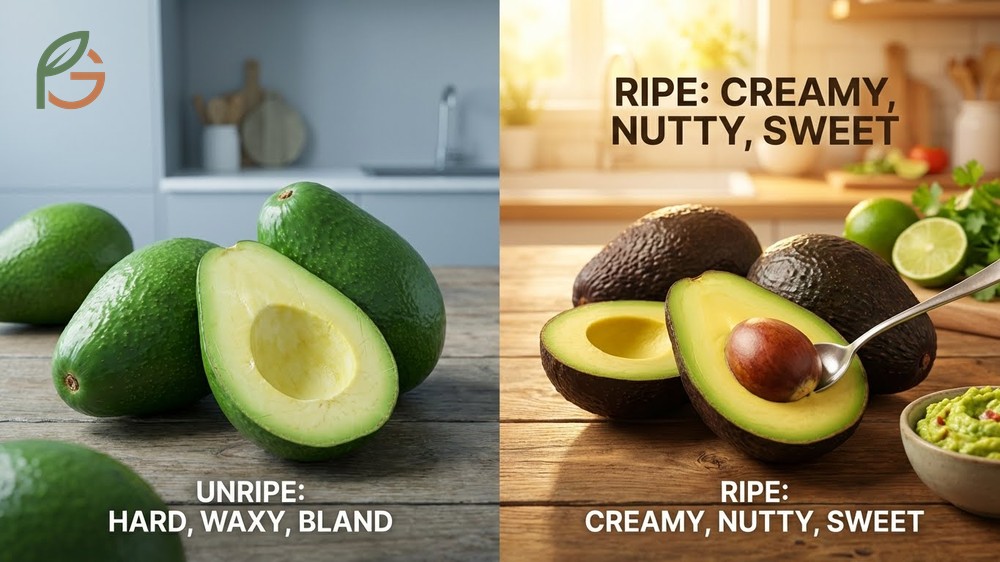
Taste Difference: Unripe avocados have a hard, waxy texture with bitter or bland flavor. Ripe avocados are creamy, nutty, and slightly sweet—a completely different eating experience that’s worth waiting for.
Signs Your Avocado is Overripe
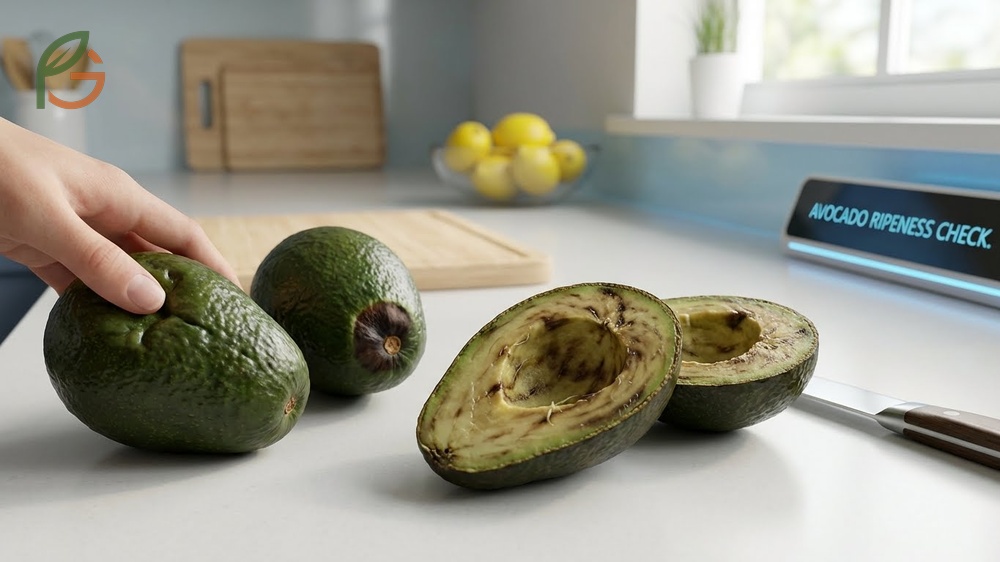
Evidence indicates several clear markers that an avocado has passed its prime eating window. The most obvious sign is excessive softness—when you squeeze the fruit and your fingers leave permanent dents or the skin feels mushy throughout.
Brown color under the stem nub is the most reliable early warning[1]. If you remove the cap and see dark brown instead of green, the flesh inside likely has brown spots or stringy sections that affect texture and flavor.
- Dark brown or black spots on the skin that feel sunken when touched
- Skin that feels loose or separates from the flesh when you press it
- Strong fermented or sour smell when you cut the fruit open
- Stringy brown fibers running through the flesh instead of smooth, creamy texture
- Large brown or black areas inside that taste bitter or off
- Mold growth anywhere on the skin or around the stem area
You can still use slightly overripe avocados with small brown spots by cutting away the affected areas. The remaining green flesh works fine for smoothies or baking. However, if more than half the flesh is brown or if you see any mold, it’s time to compost that fruit.
Conclusion
The evidence is clear: how to tell if an avocado is ripe comes down to three reliable tests working together. Color changes signal progress in Hass varieties, firmness tests reveal internal texture, and the stem nub check provides the most accurate indicator of readiness. By combining these methods, you’ll consistently select perfectly ripe avocados and avoid the disappointment of cutting into fruit that’s either too hard or already brown inside.
Current guidance from fruit experts emphasizes checking avocados daily once they start ripening—that sweet spot between firm-ripe and too soft lasts just 1-2 days. With the techniques from FruitGarden, you’ll master avocado selection and enjoy creamy, delicious fruit every time.
Frequently Asked Questions
How do you know when an avocado is ripe?
Research shows three reliable indicators: Hass avocados turn dark green to nearly black, the fruit yields slightly to gentle palm pressure, and when you remove the stem nub you see bright green underneath[1]. Combining all three tests gives you the most accurate assessment.
What does a ripe avocado look like?
A ripe Hass avocado displays dark green to purplish-black skin with even coloring across the entire fruit[2]. When you remove the stem cap, the exposed area underneath should be bright green—not brown or yellow. The skin shouldn’t have sunken dark spots or feel loose.
How can you tell if avocados are ripe without squeezing them?
The stem nub test works perfectly without squeezing. Gently flick off the small cap at the top of the avocado—if it comes off easily and shows green underneath, the fruit’s ripe[1]. This method prevents bruising while giving you accurate results across all varieties.
When is an avocado ready to eat?
An avocado reaches peak eating quality when it yields slightly to gentle palm pressure while maintaining its overall shape, shows dark coloring (for Hass types), and displays bright green flesh under the stem cap. This firm-ripe to ripe stage offers the best creamy texture and nutty flavor.
How long does it take for avocados to ripen?
Current data indicates hard avocados need 4-5 days at room temperature to reach ripe stage[3]. You can accelerate this to 1-2 days using the paper bag method, or to 24 hours by adding a ripe banana to the bag[6].
When is an avocado bad?
An avocado’s gone bad when you see brown color under the stem nub, the flesh feels mushy and leaves dents from light pressure, you smell fermented or sour odors, or you notice mold anywhere on the skin[1]. Extensive brown streaking throughout the flesh also signals it’s past prime eating quality.
How do I tell if an avocado is ripe from the stem?
Gently flick off the small stem cap at the top of the fruit. Bright green underneath means perfect ripeness, yellow-green indicates nearly ripe (needs 1 more day), pale color with a hard-to-remove cap signals unripeness, and brown color means overripe[1]. This test works consistently across all avocado varieties.





