
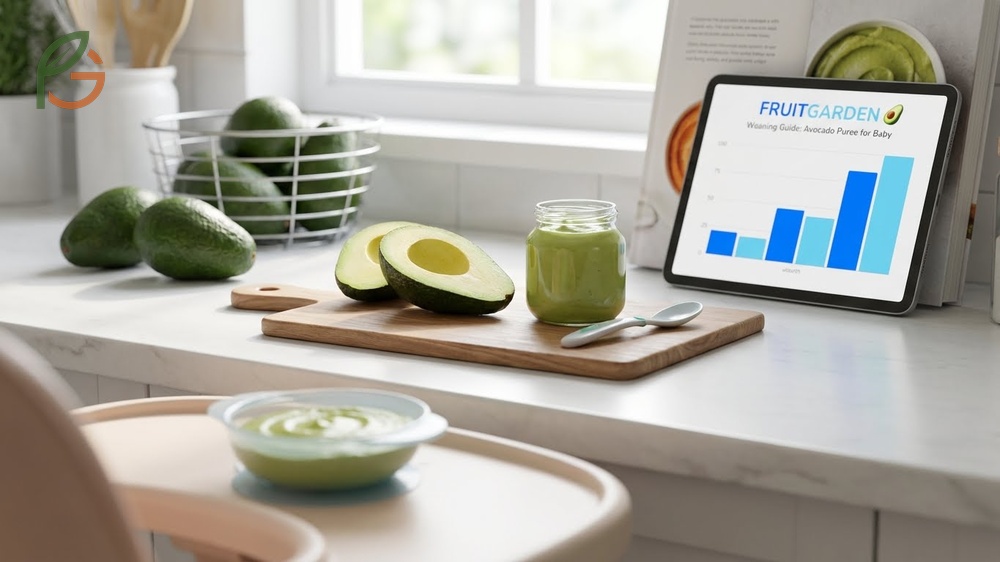
Avocado puree for baby is one of the best first foods you can offer when starting solids at 6 months. Research shows that avocados are nutritionally unique among fruits—they’re lower in sugar and higher in monounsaturated fatty acids and fiber, with the perfect creamy texture for babies learning to eat[1]. FruitGarden synthesizes current pediatric nutrition research to help parents make confident feeding decisions during the weaning journey.
Quick Answer
- Start at 6 months when baby shows signs of readiness[2]
- Provides 17g healthy fats and 8g fiber per serving for brain development[3]
- Store in fridge for 24-48 hours or freeze up to 3 months[4]
- Combine with banana, breast milk, or egg yolk for added nutrition
Avocado Puree for Baby
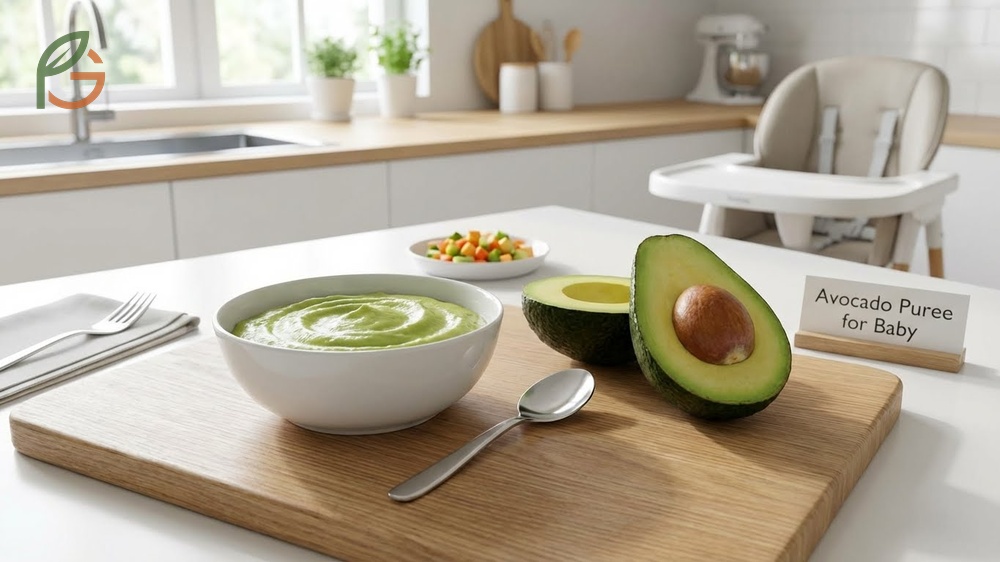
Studies demonstrate that avocados provide energy, monounsaturated fatty acids (MUFA), and polyunsaturated fatty acids (PUFA) that contribute to achieving nutrient balance in infant diets[1]. They also aid in absorption of fat-soluble nutrients and provide antioxidants. Unlike most fruits that are high in natural sugars, avocados offer a savory profile that doesn’t overstimulate a baby’s developing palate.
Current pediatric guidance emphasizes introducing diverse textures and flavors during the 6-12 month window. Avocados don’t require cooking, making them one of the most convenient first foods for busy parents. You can prepare them in under 5 minutes with just a fork and bowl.
From My Experience: My cousin in Guadalajara, Mexico keeps avocados at different ripeness stages—some firm for later in the week, some perfectly soft for immediate use. This rotation method ensures she always has one ready when her baby gets hungry.
Why Avocado Is Ideal First Food
Avocados are full of healthy fats for a baby’s growing brain and are loaded with folate and potassium, which are essential for helping babies and children grow[3]. The creamy texture requires minimal preparation—no steaming, boiling, or peeling tough skins. Babies can start with smooth puree at 6 months, then progress to mashed chunks by 8-9 months.
The neutral flavor profile means avocados pair well with both sweet and savory foods. You won’t lock your baby into preferring only sweet fruits. This versatility helps develop a well-rounded palate early on.
Nutritional Benefits
A typical serving of avocado provides approximately 180 calories, 17g total fat, 8g fiber, and 2g protein[3]. The fat content is primarily monounsaturated oleic acid, which supports mental and physical growth. With only 10mg sodium, it’s naturally low in salt—perfect for babies’ developing kidneys.
Evidence suggests that a 25g serving for toddlers ages 1-3 years contributes approximately 2g total fiber and soluble fiber[5]. The higher soluble fiber content compared to other fruits may benefit the development of an infant’s gut microflora.
- Monounsaturated fats support brain development and nutrient absorption
- Folate aids in tissue development and cell growth
- Vitamin C enhances iron absorption from other foods
- Potassium supports healthy blood pressure and muscle function
- Fiber promotes digestive health and prevents constipation
How to Make Avocado Puree for Baby
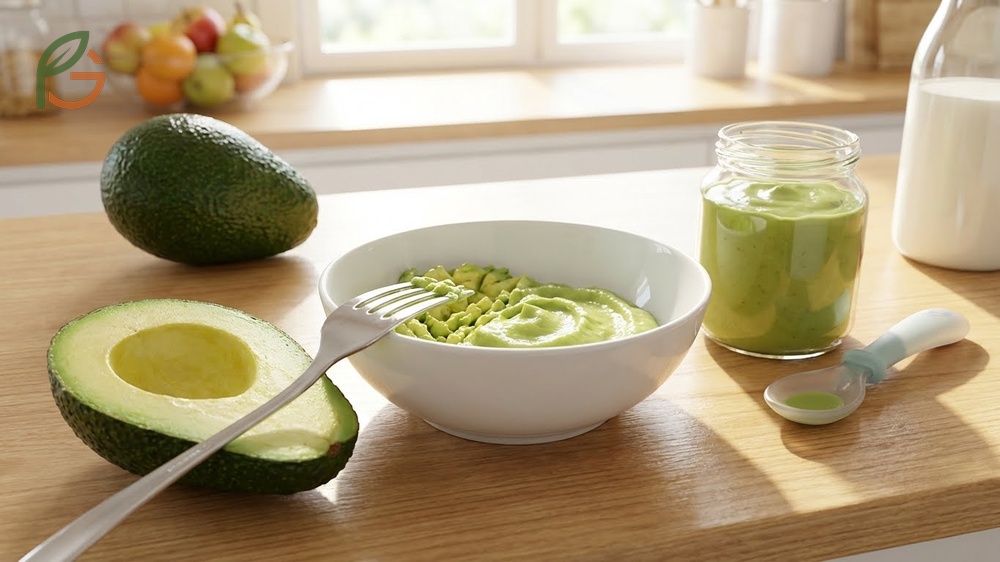
Making avocado puree takes just 5 minutes and requires no special equipment. You’ll need one ripe avocado, a fork or potato masher, and optionally breast milk or formula to thin the consistency. The key is selecting an avocado that’s perfectly ripe—soft but not mushy.
Research shows that introducing diverse textures early helps prevent picky eating later. Start with ultra-smooth puree for 6-month-olds, then gradually leave more texture as your baby develops chewing skills.
Selecting Ripe Avocados
Choose an avocado that gives slightly to gentle pressure when you squeeze it. The skin should be dark green to nearly black. If it feels rock-hard, it’ll take 2-4 days to ripen at room temperature.
Avoid avocados with large dents or overly soft spots—these indicate overripeness or bruising. A perfectly ripe avocado yields to pressure but still feels somewhat firm. You can speed up ripening by placing it in a paper bag with a banana overnight.
Important Note: Don’t refrigerate unripe avocados—this stops the ripening process. Only refrigerate once they’re ripe if you need to slow down further softening.
Step-by-Step Preparation
Cut the avocado in half lengthwise around the pit. Twist the halves to separate them. Remove the pit by carefully tapping a knife into it and twisting. Scoop out the creamy flesh with a spoon into a clean bowl.
Mash the avocado with a fork until you reach the desired consistency. For babies just starting solids, mash thoroughly until very smooth. Add 1-2 tablespoons of breast milk, formula, or cooled boiled water if the puree seems too thick. Serve immediately for the best color and nutrient retention.
- Wash the avocado exterior under running water before cutting
- Use a clean knife and cutting board to prevent contamination
- Mash to desired smoothness—ultra-smooth for beginners, chunky for experienced eaters
- Thin with 1-2 tablespoons liquid if needed for easier swallowing
- Serve fresh within 30 minutes to prevent excessive browning
Avocado Puree for Baby 6 Months
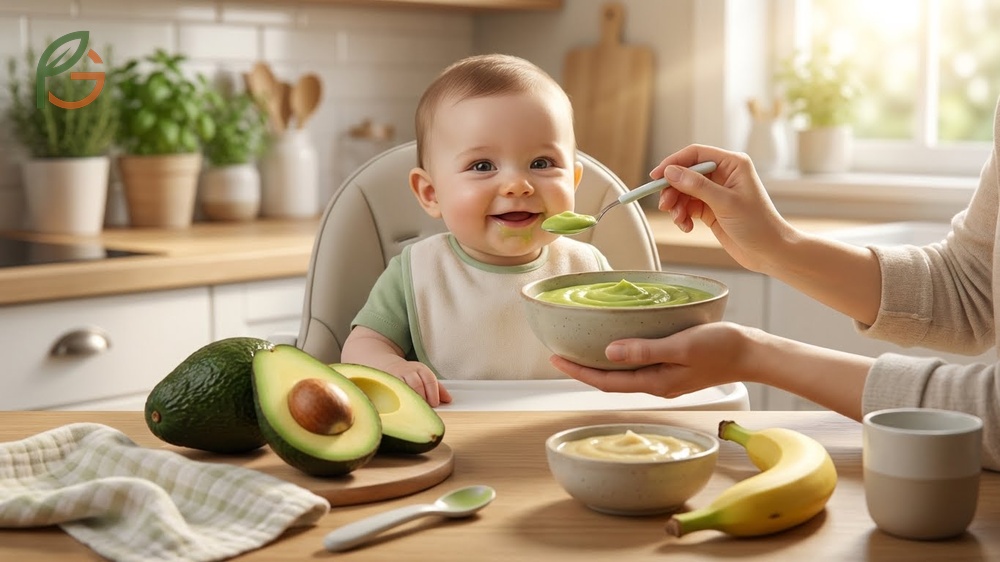
Babies can start eating avocado at 6 months of age when they begin solids, provided they show signs of readiness like sitting with support, showing interest in food, and having good head control[2]. Avocados are rich in healthy fat, which provides energy and helps your baby absorb other nutrients. During the first 2-3 weeks of weaning, it’s best to start with just two fruits—avocado and banana—because they’re easy to digest and have a low risk of causing allergies[6].
Start with 1-2 teaspoons at the first feeding. Watch for any signs of allergic reaction over the next 2-3 days before offering more. If your baby tolerates it well, you can gradually increase to 2-3 tablespoons per serving.
Serving Sizes by Age
For babies 6-9 months old, offer 2-3 tablespoons of pureed or mashed avocado once you’ve confirmed tolerance. A third of an avocado (approximately 50g) can provide infants with around 330 kJ of energy to help baby thrive[7]. This serving size delivers healthy fats and fiber without overwhelming tiny stomachs.
By 9-12 months, babies can handle 3-4 tablespoons or about half a small avocado per meal. At this age, you don’t need to puree it completely—leave some small, soft lumps to encourage chewing. Toddlers over 12 months can enjoy up to half a medium avocado, either mashed on toast, cubed in a bowl, or blended into smoothies.
This table shows recommended avocado serving sizes, preparation methods, and frequency across four age ranges from 6 months to 2+ years
| Age Range | Serving Size | Texture | Frequency |
|---|---|---|---|
| 6-9 months | 2-3 tablespoons (¼ avocado) | Smooth puree or thick strips | 2-3 times per week |
| 9-12 months | 3-4 tablespoons (⅓ avocado) | Mashed with soft lumps or cubes | 3-4 times per week |
| 12-24 months | 4-5 tablespoons (½ small avocado) | Chunky mash, cubes, or slices | 4-5 times per week |
| 2+ years | ½ medium avocado | Any form—sliced, diced, spread | Daily if desired |
Texture Adjustments
For baby-led weaning, slice avocado into pinky-sized strips so they can be easily scooped up with your baby’s palm. If they’re too slippery, roll slices in panko breadcrumbs or leave a small amount of skin on the bottom to create a handle[2]. This method encourages self-feeding and develops fine motor skills.
Once your baby uses their pointer finger and thumb to pick up food (around 9-10 months), you can serve it in small cubes. The soft texture means there’s minimal choking risk, but always supervise feeding. Some babies prefer colder avocado straight from the fridge—the cool temperature can soothe sore gums during teething.
How to Store Avocado Puree for Baby
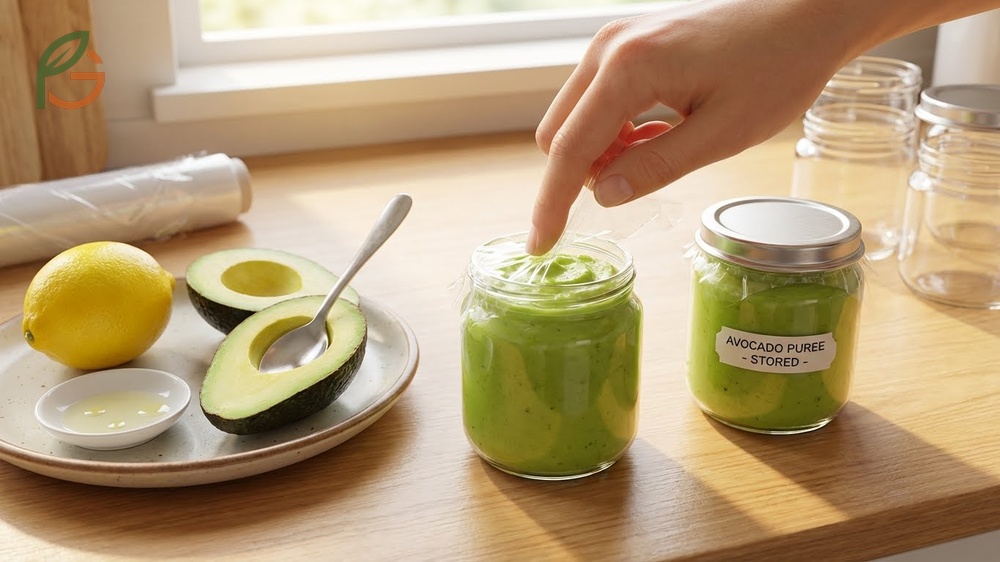
Avocados brown quickly due to oxidation, so it’s best to serve puree fresh. If you need to store leftovers, press plastic wrap directly onto the surface of the puree to minimize air exposure and keep it in the fridge for up to 24 hours[8]. Some sources suggest up to 2-3 days, but color and flavor are best within the first day.
Use small baby food jars or airtight containers that limit air exposure. You can also add a tiny splash of lemon juice to help slow browning—just a few drops mixed in won’t significantly alter the taste. If the top layer browns slightly, you can scrape it off and the puree underneath is usually still fresh.
Storage Tip: Don’t add breast milk or formula to puree you’re planning to store. Only mix in liquids right before serving to maintain food safety.
- Store in smallest possible container to reduce air exposure
- Press plastic wrap directly on puree surface before sealing lid
- Keep refrigerated at 40°F (4°C) or below
- Use within 24 hours for best quality and color
- Discard if puree develops off smell or extensive browning
How to Freeze Avocado Puree for Baby
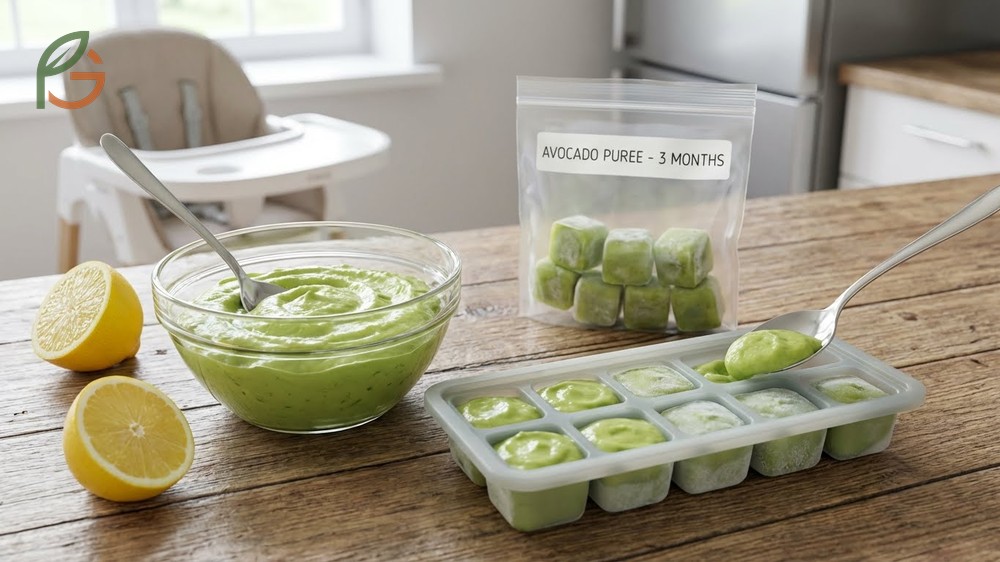
To freeze avocado puree, stir 1 tablespoon fresh lemon juice into the mash and spoon into an ice cube tray[4]. Once frozen solid, transfer the cubes into a freezer storage bag for up to 3 months. Each cube typically equals about 1 ounce of puree—perfect for single servings.
Thaw frozen cubes overnight in the fridge in an airtight container. You can also add frozen avocado cubes directly to smoothies or warm meals that will thaw them naturally. Avoid thawing at room temperature or in the microwave, as this can create uneven texture and potential bacteria growth.
- Add 1 tablespoon lemon juice per avocado to prevent browning
- Portion into ice cube trays or small freezer containers
- Label with date—use within 3 months for best quality
- Thaw in refrigerator overnight, not at room temperature
- Don’t refreeze thawed puree—use within 24 hours once defrosted
Avocado Puree Combinations
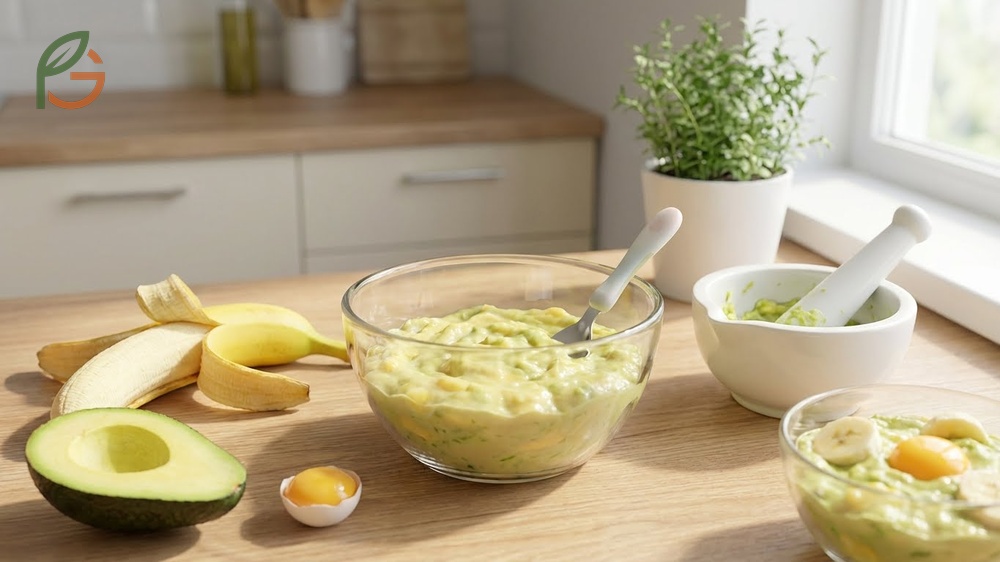
Combining avocado with other nutrient-dense foods creates balanced meals that expose your baby to diverse flavors. Banana is the most popular pairing—both fruits have naturally creamy textures and complementary flavors. Simply mash together one ripe banana and half an avocado for a sweet, filling meal.
For added protein, mix in a well-cooked egg yolk. This combination provides healthy fats, protein, vitamins, fiber, iron, and carbohydrates in one serving. Start with small amounts of new ingredients to monitor for allergic reactions. Once you’ve confirmed tolerance to individual foods, you can create custom blends.
From My Experience: My friend in Oaxaca, Mexico discovered her baby loved avocado mixed with mashed banana when she ran out of single-ingredient puree one morning. Now it’s their go-to breakfast—takes 3 minutes to prepare and keeps the baby satisfied for hours.
- Avocado + banana: Sweet, creamy, and filling for breakfast
- Avocado + breast milk or formula: Thins consistency and adds familiar flavor
- Avocado + egg yolk: High-protein option once egg is introduced
- Avocado + sweet potato: Adds vitamin A and slight sweetness
- Avocado + apple or pear: Introduces fruity flavors for older babies (8+ months)
- Avocado + yogurt: Boosts calcium and protein for toddlers (12+ months)
Can I Add Water to Avocado Puree for Baby? Yes, you can add cooled boiled water, breast milk, or formula to thin avocado puree. Start with 1 tablespoon and add more until you reach the consistency your baby prefers.
Avocado Allergy Baby
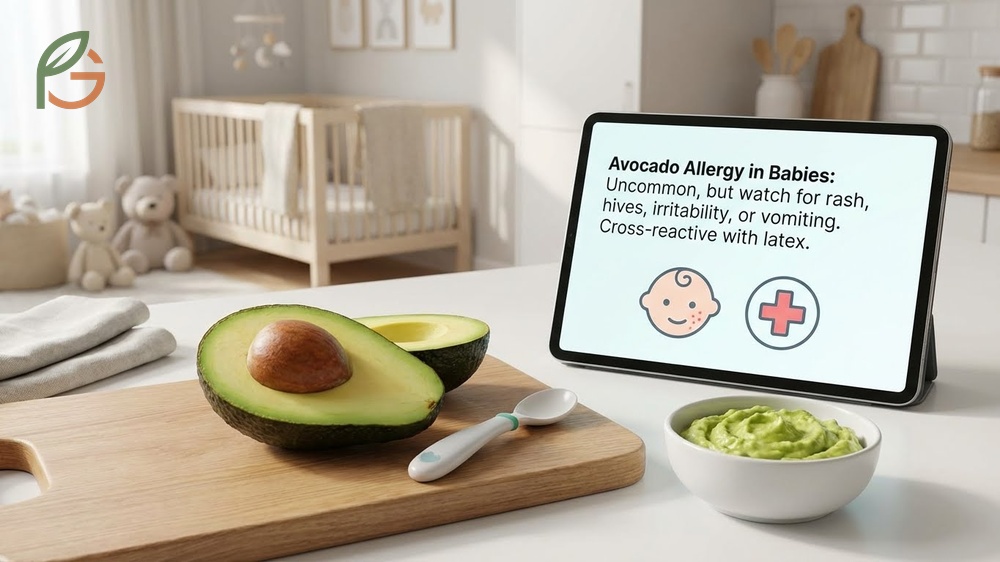
Avocado allergies don’t occur too often and are relatively uncommon compared to nut or dairy allergies[9]. However, any food can technically cause an allergy, so it’s always a good idea to watch for signs of reaction. Baby avocado allergy symptoms may include rash on the face, vomiting, diarrhea, hives, or irritability soon after eating[10].
People with latex allergies are more likely to experience avocado reactions due to cross-reactive proteins. If your family has a history of latex sensitivity or allergies to banana, kiwi, or chestnut, mention this to your pediatrician before introducing avocado. Oral allergy syndrome can cause itching or tingling in the mouth after eating raw avocado, though kids under 3 aren’t typically affected.
When introducing avocado for the first time, offer a small amount (½ to 1 teaspoon) in the morning so you can monitor your baby throughout the day. Wait 2-3 days before introducing another new food. If you notice any concerning symptoms like difficulty breathing, throat swelling, or widespread hives, seek emergency medical care immediately.
- Hives or red, itchy bumps on skin, especially around the mouth
- Swelling of lips, tongue, or face within minutes to hours of eating
- Vomiting or diarrhea within 2 hours of consumption
- Excessive fussiness or signs of stomach discomfort
- Difficulty breathing or wheezing (seek immediate medical attention)
Avocado Puree for Baby Turned Brown: Some browning is normal oxidation and doesn’t mean the avocado is unsafe. However, if puree has been left at room temperature for more than 2 hours or has an off smell, discard it to prevent foodborne illness.
Conclusion
The evidence is clear: avocado puree for baby offers unmatched nutritional benefits with minimal preparation hassle. Starting at 6 months, you can provide your baby with brain-boosting healthy fats, essential fiber, and important vitamins in a naturally creamy format they’ll love. Whether you choose traditional puree or baby-led weaning with thick strips, avocados adapt to your feeding approach.
Current pediatric nutrition guidance emphasizes early introduction of diverse textures and nutrient-dense foods. FruitGarden continues to synthesize the latest research on infant feeding to help families grow healthy, adventurous eaters from the very first bite.
Medical Disclaimer
Important Medical Disclaimer: This content is for informational and educational purposes only. It is not intended as a substitute for professional medical advice, diagnosis, or treatment. Always consult a qualified pediatrician or healthcare professional before introducing new foods to your baby, especially if your baby has existing health conditions, allergies, or a family history of food allergies. Every baby develops at their own pace—follow your pediatrician’s specific guidance for your child’s feeding journey.
Frequently Asked Questions
Can I give avocado puree to a 4-month-old baby?
No, it’s not recommended to introduce any solid foods, including avocado, before 6 months of age. Current pediatric guidelines suggest waiting until babies show signs of readiness—sitting with support, good head control, and interest in food. Introducing solids too early can increase the risk of choking and may interfere with breast milk or formula nutrition.
What are the benefits of avocado puree for babies?
Avocado puree provides healthy monounsaturated fats for brain development, 8g fiber per serving for digestive health, and essential nutrients like folate, potassium, and vitamin C. It’s lower in sugar than most fruits and has a neutral flavor that pairs well with both sweet and savory foods, helping develop a well-rounded palate.
Does avocado help with baby constipation?
Yes, avocados can help relieve constipation in babies. They contain 8g of fiber per serving, including soluble fiber that promotes healthy digestion. The high healthy fat content also helps soften stools and support regular bowel movements. If your baby is constipated, offer mashed avocado along with plenty of water or breast milk.
How do I ripen an avocado quickly for baby food?
Place unripe avocados in a paper bag with a banana or apple and leave at room temperature for 24-48 hours. The ethylene gas from the other fruit speeds up ripening. Check daily by gently squeezing—the avocado should yield to gentle pressure when ripe. Don’t refrigerate unripe avocados as this stops the ripening process.
Can I mix breast milk with avocado puree?
Yes, you can mix breast milk with avocado puree to thin the consistency and add familiar flavor. Add 1-2 tablespoons of breast milk until you reach the desired texture. However, only add breast milk to portions you’ll serve immediately—don’t store puree mixed with breast milk or formula as this increases bacterial growth risk.
Is egg and avocado puree safe for babies?
Yes, egg and avocado puree is safe and nutritious once you’ve separately introduced both foods and confirmed no allergies. Use a well-cooked egg yolk (not runny) mashed with half an avocado. This combination provides protein, healthy fats, iron, and vitamins in one meal—ideal for babies 7-8 months and older.
When can babies start baby-led weaning with avocado?
Babies can start baby-led weaning with avocado at 6 months if they show readiness signs. Cut avocado into thick, pinky-sized strips that baby can grasp with their whole palm. If slices are too slippery, roll them in panko breadcrumbs or leave a bit of skin on one end as a handle. Always supervise during self-feeding.





