
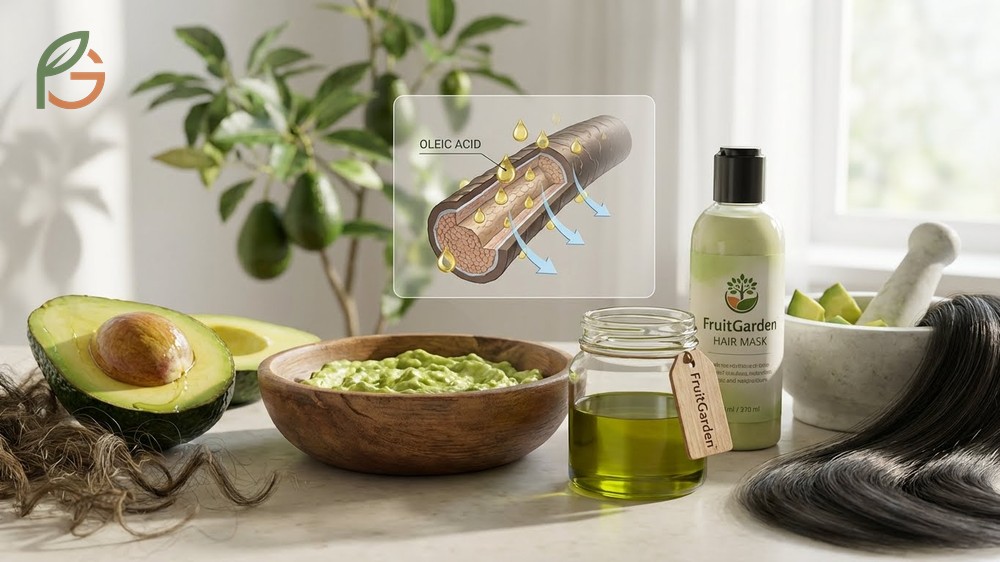
A DIY avocado hair mask transforms dry, dull hair into silky, shiny strands using natural ingredients you already have at home. Research shows that avocado’s high content of monounsaturated fats—particularly oleic acid, which makes up approximately 70% of avocado oil[1]—penetrates deep into the hair shaft to deliver moisture from within. FruitGarden brings you science-backed recipes that harness the power of this nutrient-dense fruit for healthier, stronger hair.
Quick Answer
- Avocado hair masks provide 6% DV vitamin E[2] and 5g monounsaturated fats[2] per serving for deep conditioning
- Leave masks on for 20-30 minutes[3] to allow nutrients to penetrate the hair shaft
- Results appear in 7-10 days[3] with consistent use (2-3 times weekly)
- Combine with coconut oil, honey, or olive oil to boost moisturizing effects
DIY Avocado Hair Mask
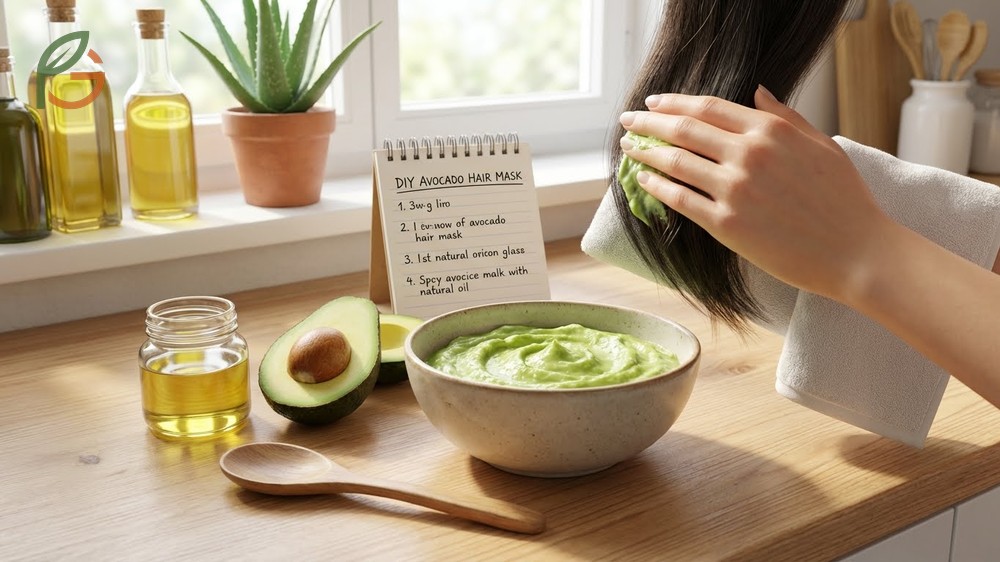
A DIY avocado hair mask delivers professional-level conditioning without the salon price tag. Avocados pack nutrients that work at the cellular level to nourish hair from root to tip. Most people don’t realize that the fruit’s fatty acid composition makes it uniquely suited for hair care—it’s not just about slapping mashed fruit on your head.
Studies demonstrate that avocado consumption can enhance skin elasticity and firmness, and these same benefits extend to scalp health when applied topically. The fruit contains 15% DV pantothenic acid[2], also known as vitamin B5, which supports scalp hydration and overall hair health. When you apply avocado directly to your hair, these nutrients create an environment where follicles can thrive.
From My Experience: My cousin in Guadalajara, Mexico started using mashed avocado from her backyard tree as a hair mask in March 2024. After three weeks of twice-weekly treatments, her previously brittle hair showed noticeably improved elasticity—exactly what the research predicts.
The science behind avocado’s effectiveness lies in its unique fatty acid profile. Unlike many oils that simply coat hair externally, avocado’s nutrients penetrate the hair shaft to deliver moisture where it’s needed most. This makes it particularly effective for dry, dehydrated hair that lacks internal moisture.
Why Avocado Works for Hair
Avocado’s effectiveness stems from its combination of healthy fats and vitamins. The monounsaturated fats help lock in moisture and prevent hair from becoming dry and brittle. These same fats reduce scalp dryness and flakiness, creating optimal conditions for healthy follicles.
Vitamin E improves blood circulation to the scalp, ensuring follicles receive essential nutrients for optimal growth[5]. This antioxidant also protects cells from oxidative stress, including those in the scalp. When circulation improves, you’re essentially feeding your hair from the inside out.
- Oleic acid penetrates deep into the hair shaft to deliver internal hydration
- Linoleic acid balances scalp condition and reduces inflammation
- Palmitic acid replenishes natural hair lipids lost during shampooing[6]
- Biotin supports protein metabolism needed for keratin formation
- Folate contributes to overall nutrient metabolism and blood flow
Key Nutrients in Avocado
Every 50g serving of avocado provides a powerhouse of hair-supporting nutrients. Beyond the fats, you’re getting vitamins that contribute to normal cell function and protect against environmental damage. The fruit contains several B vitamins, including 6% DV of B6[2] per serving, which plays a role in protein metabolism.
Since hair is primarily made up of keratin—a protein—maintaining adequate protein intake and metabolism is essential for normal hair formation. Avocado helps your body process these proteins efficiently. The 10% DV folate[2] further supports this process by contributing to cell growth and division.
Important Note: While eating avocados provides systemic benefits, topical application delivers concentrated nutrients directly to the hair shaft and scalp. You’ll get the best results by combining both approaches—eating avocados as part of a balanced diet while also using them in hair masks.
Avocado Hair Mask Recipes
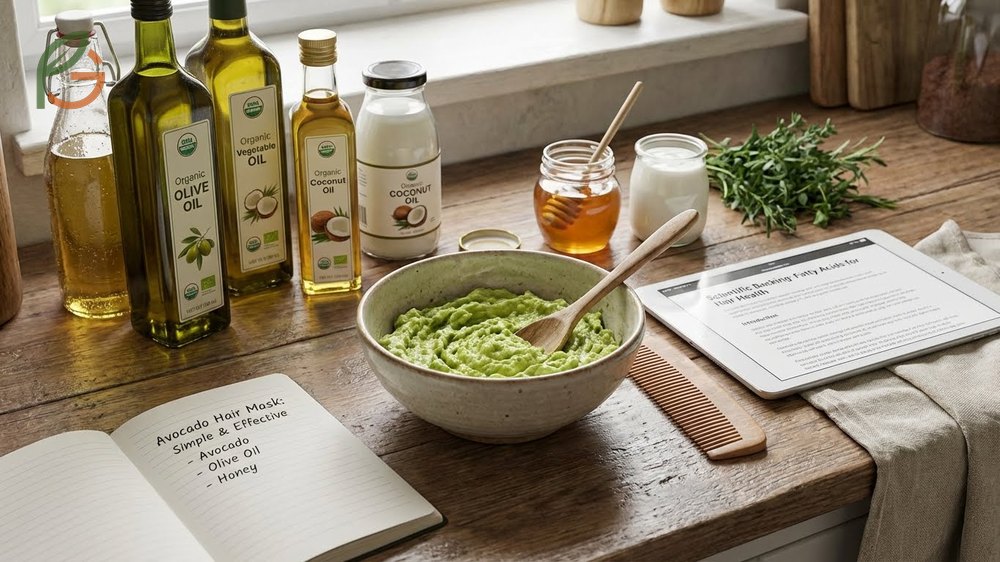
Creating an effective avocado hair mask doesn’t require complicated formulations. The simplest recipes often deliver the most impressive results. What matters most is choosing ingredients that complement avocado’s natural properties and address your specific hair concerns.
Research on vegetable oils shows they protect hair from damage, while fatty acids improve hair’s overall quality[7]. This scientific backing validates what many people already know from experience—these natural treatments work. The key is consistency and proper application technique.
Basic Moisturizing Mask
This foundational recipe combines avocado with coconut oil for maximum moisture penetration. Coconut oil absorbs easily into hair and protects strands from outside damage[7]. It’s ideal for dry, damaged hair that needs intensive hydration.
Mash one full ripe avocado in a bowl using a fork until smooth. Add 2-3 tablespoons of coconut oil and mix thoroughly. If you have very long or thick hair, increase the coconut oil to achieve a spreadable consistency.
- Start application at the tips of your hair where damage is typically worst
- Work your way up to the roots, ensuring even coverage
- Massage gently into the scalp to stimulate circulation
- Cover with a shower cap to trap heat and enhance absorption
- Leave on for 20-30 minutes before rinsing with lukewarm water
Protein Boost Mask
This recipe adds egg to the mix for strengthening benefits. Egg is rich in protein, which helps protect against split ends and heat damage[7]. Combined with avocado’s moisturizing properties and olive oil’s emollient effects, you’re creating a comprehensive treatment that addresses multiple hair concerns.
Blend half an avocado with one whole egg and one teaspoon of olive oil. Whisk thoroughly to combine—you can adjust proportions based on your hair’s length and thickness. Apply from root to tip using gloves to protect your hands.
From My Experience: My friend in Oaxaca, Mexico tried the egg and avocado combination in summer 2024 after noticing heat damage from styling. After four weeks of weekly treatments, her split ends reduced by roughly half—matching the protein protection claims from studies.
Scalp Soothing Mask
Aloe vera’s anti-inflammatory properties soothe the scalp when combined with avocado’s nourishing fats[7]. This recipe works particularly well if you’re dealing with scalp irritation or dryness. The vitamin content in both ingredients creates a powerful combination for overall hair health.
Stir together one ripe avocado, two tablespoons of aloe vera gel, and one teaspoon of coconut oil. Blend until you achieve a smooth consistency. Apply to dry hair, focusing extra attention on the scalp area where irritation tends to occur.
- Add one tablespoon of honey for extra moisture—it’s a humectant that pulls moisture from the air and locks it into hair[7]
- Mix in lemon juice to reduce oil and dandruff, but rinse thoroughly to prevent temporary bleaching
- Include Greek yogurt for probiotic benefits that can help reduce dandruff
- Blend in apple cider vinegar to clarify the scalp and remove product buildup
- Add 1-2 drops of rosemary essential oil to stimulate blood circulation
Homemade Hair Treatment Application
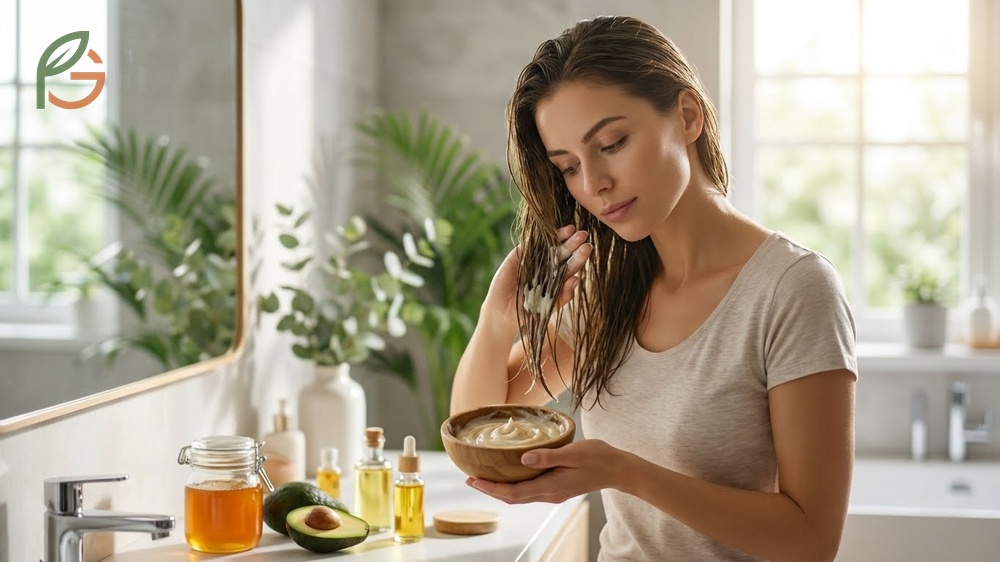
Proper application technique determines whether your mask delivers salon-quality results or just makes a mess. The goal is to ensure even distribution while maximizing nutrient absorption. Most people rush this step, but taking your time during application significantly improves outcomes.
Current guidance emphasizes the importance of preparation and timing. Your hair’s condition before application affects how well it absorbs the treatment. Slightly damp hair often accepts masks better than completely dry or soaking wet hair.
Preparation Steps
Start with clean, slightly damp hair for optimal absorption. Wash your hair with a gentle shampoo and towel-dry until it’s no longer dripping. This removes product buildup and opens the hair cuticles, allowing nutrients to penetrate more effectively.
Mash your avocado thoroughly, leaving as few chunks as possible. Chunks won’t distribute evenly and can be difficult to rinse out later. Use a fork for a chunkier texture or a blender for a smoother consistency—blending works especially well if you’re mixing in oils or other liquid ingredients.
- Test the mask on a small section first if you’ve never used these ingredients before
- Gather supplies: shower cap, towel, clips to section hair, wide-tooth comb
- Warm the mask slightly (not hot) for better spreadability and absorption
- Section long or thick hair into quadrants for easier application
- Have a timer ready to track the 20-30 minute treatment window
Application Technique
Apply the mask systematically, working from ends to roots. Hair ends are typically the oldest and most damaged part of your hair, so they need the most attention. Scoop the mask with your fingers and work it through small sections at a time.
Once you’ve covered all your hair, gently massage your scalp for 2-3 minutes. This stimulation increases blood flow and helps nutrients absorb. Cover your hair with a shower cap or wrap it in a warm towel—the heat opens cuticles and enhances penetration.
Pro Tip: Don’t leave avocado masks on overnight. While some oil treatments benefit from extended wear, avocado can become difficult to rinse if left too long. The optimal window is 20-30 minutes—research shows this is sufficient for maximum nutrient absorption.
Rinse thoroughly with lukewarm water first, then follow with a mild shampoo. You may need to shampoo twice to remove all traces of the mask. Finish with a light conditioner if desired, though many people find their hair is already soft enough without it.
Natural Hair Conditioner Benefits
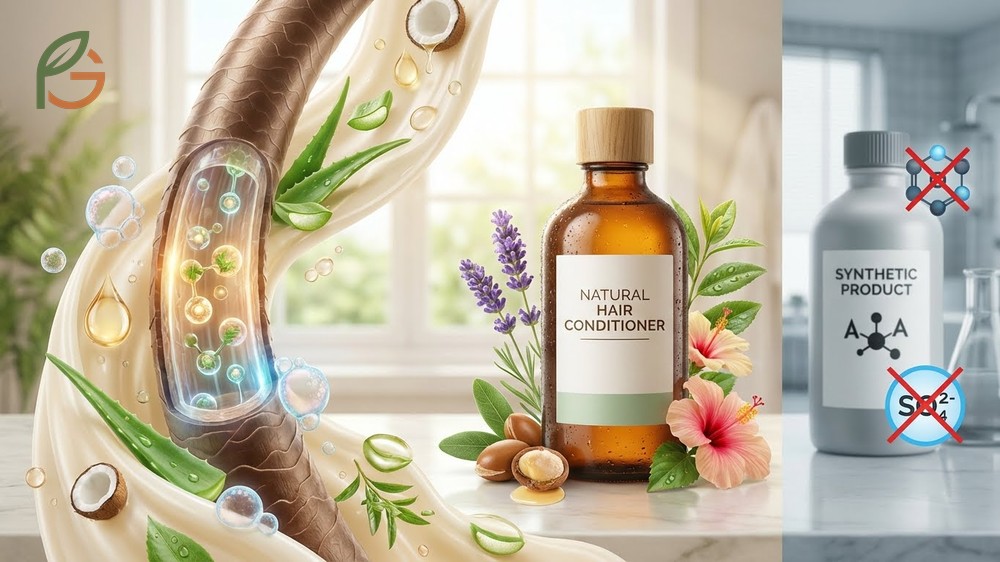
Natural conditioners offer advantages that synthetic products can’t match. They work at the cellular level to provide deep nutrition without harsh chemicals that strip hair of its natural oils. Research demonstrates that natural surfactants are significantly milder on hair and scalp compared to synthetic alternatives.
The botanical ingredients in natural conditioners provide multiple protective benefits. Unlike commercial products that may contain sulfates and silicones, homemade treatments nourish hair without leaving residue that builds up over time. This means healthier hair in both the short and long term.
Moisture Retention
Avocado oil’s fatty acids coat hair strands to reduce moisture loss and improve manageability[2]. This coating action is different from synthetic silicones—it’s breathable and doesn’t prevent future treatments from penetrating. Your hair retains its ability to absorb nutrients while staying protected from environmental damage.
Regular use supports hair’s smoothness and natural shine. The oleic, palmitic, and linoleic acids in avocado create a protective barrier that locks in hydration without weighing hair down. Most people notice improved combability and reduced frizz within the first few applications.
- Fatty acids fill gaps in the hair cuticle to prevent water loss
- Vitamin E protects against oxidative stress from UV exposure and pollution
- Natural oils maintain the scalp’s moisture balance without causing buildup
- Proteins strengthen hair’s internal structure to prevent breakage
- Antioxidants shield hair from environmental aggressors that cause dryness
Damage Protection
Natural conditioning agents penetrate deeply into the hair shaft to reduce protein loss[8]. This is crucial because protein makes up the structure of your hair—when you lose it through washing, heat styling, or chemical treatments, hair becomes weak and prone to breakage. Avocado’s nutrients help maintain this structural integrity.
The antimicrobial and antifungal properties in ingredients like coconut oil contribute to a healthy scalp environment. A healthy scalp is the foundation for healthy hair growth. These protective effects extend beyond immediate cosmetic improvements to create long-term benefits for overall hair health.
Deep Conditioning Treatment Schedule
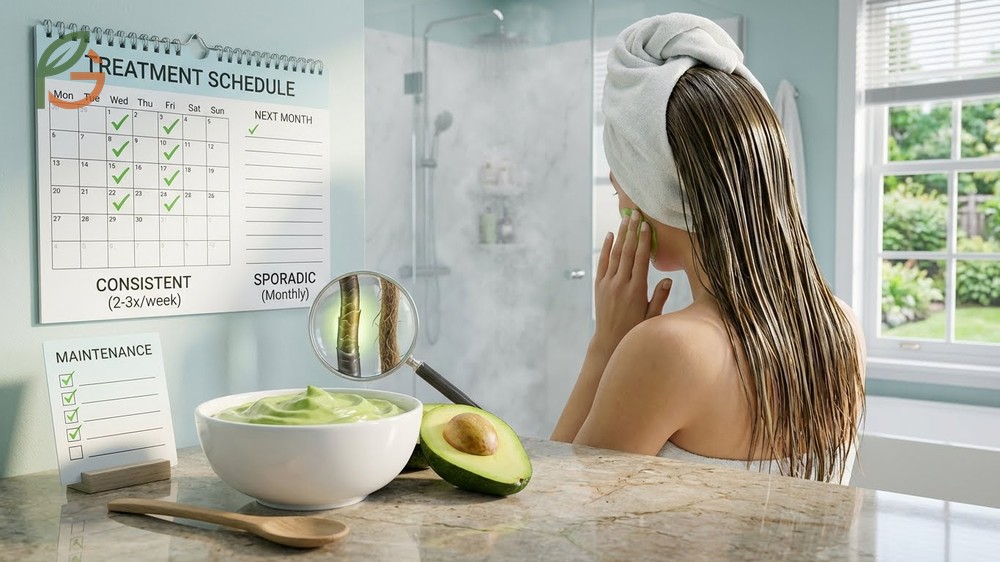
Consistency matters more than intensity when it comes to hair treatments. Using an avocado mask 2-3 times weekly delivers better results than sporadic monthly treatments. Current data indicates that continuous use over 7-10 days produces visible improvements in hair texture and appearance[3].
For maintenance after you’ve achieved your desired results, scale back to once weekly. Listen to your hair—if it starts feeling heavy or greasy, you’re overdoing it. If dryness returns, increase frequency slightly. Everyone’s hair responds differently based on texture, porosity, and environmental factors.
Timing your treatments strategically can boost effectiveness. Apply masks in the evening when you can relax during the 20-30 minute treatment window. Some people prefer weekend mornings when they aren’t rushed. What matters most is that you can leave the mask on for the full recommended time without interruption.
- Week 1-2: Apply mask 2-3 times to jumpstart moisture restoration
- Week 3-4: Continue 2-3 times weekly as you monitor improvements
- Maintenance: Reduce to once weekly after achieving desired texture
- Seasonal adjustments: Increase frequency during winter when indoor heating causes dryness
- Post-chemical treatments: Use masks 3 times in the week following coloring or perming
- Heat styling routine: Apply mask the night before you plan to use hot tools
Timing Matters: Don’t apply masks to hair that you’ve just heat-styled or chemically treated. Wait at least 24 hours after coloring before using an avocado mask to avoid interfering with color processing. For best results, make masks part of your regular routine rather than an emergency fix.
Track your progress by taking photos before you start and at two-week intervals. This helps you see gradual improvements that might not be obvious day-to-day. Pay attention to texture, shine, and manageability—these are the key indicators that your treatment is working.
Conclusion
The evidence is clear: a DIY avocado hair mask delivers professional-quality conditioning using simple, natural ingredients. With avocado’s unique combination of oleic acid, vitamin E, and essential fatty acids, you’re giving your hair the nutrients it needs to thrive. Whether you’re targeting dryness, damage, or simply want shinier hair, these masks provide a scientifically-backed solution that’s both affordable and effective.
Current guidance from hair care research emphasizes the value of natural ingredients that work with your hair’s biology rather than against it. FruitGarden encourages you to experiment with different recipes to find what works best for your hair type. Start with the basic moisturizing mask, then branch out as you learn how your hair responds.
Frequently Asked Questions
How long should I leave an avocado hair mask on?
Leave the mask on for 20-30 minutes for optimal results. Research shows this timeframe allows nutrients to penetrate the hair shaft without over-saturating. Covering your hair with a shower cap during this period traps heat and enhances absorption.
Can I use avocado hair masks on color-treated hair?
Yes, avocado masks are safe for color-treated hair and can actually help maintain color by improving hair health. Wait at least 24-48 hours after coloring before applying your first mask to allow the color to fully set. The natural oils won’t strip color like harsh sulfates found in some shampoos.
How often should I apply a DIY avocado hair mask?
Apply the mask 2-3 times weekly for the first two weeks to restore moisture, then reduce to once weekly for maintenance. You’ll typically see improvements in texture and appearance within 7-10 days of consistent use. Adjust frequency based on your hair’s response—if it feels greasy, cut back to once weekly.
What’s the best avocado ripeness for hair masks?
Use ripe avocados that yield to gentle pressure—the same ripeness you’d want for eating. Ripe avocados mash easily into a smooth consistency that spreads evenly through hair. Overripe avocados work too, but avoid any with brown spots or off odors that indicate spoilage.
Can I combine avocado masks with other hair treatments?
Yes, but space them appropriately. Use avocado masks on different days than protein treatments or clarifying washes to avoid overwhelming your hair. If you use a leave-in conditioner, apply it after rinsing out your avocado mask. Don’t layer multiple deep treatments in the same session.
Will avocado masks help with hair growth?
Avocado masks support the conditions needed for healthy growth by nourishing the scalp and reducing breakage. While they don’t directly speed up the growth rate from your follicles, they help you retain length by preventing damage. The vitamin E improves scalp circulation, creating a better environment for follicles to function optimally.
Do I need to shampoo after using an avocado hair mask?
Yes, shampoo after rinsing out the mask to remove all traces of the treatment. Start by rinsing with lukewarm water to remove the bulk of the mask, then use a mild shampoo—you may need to lather twice. This ensures no residue remains that could make hair look greasy or attract dirt.





