
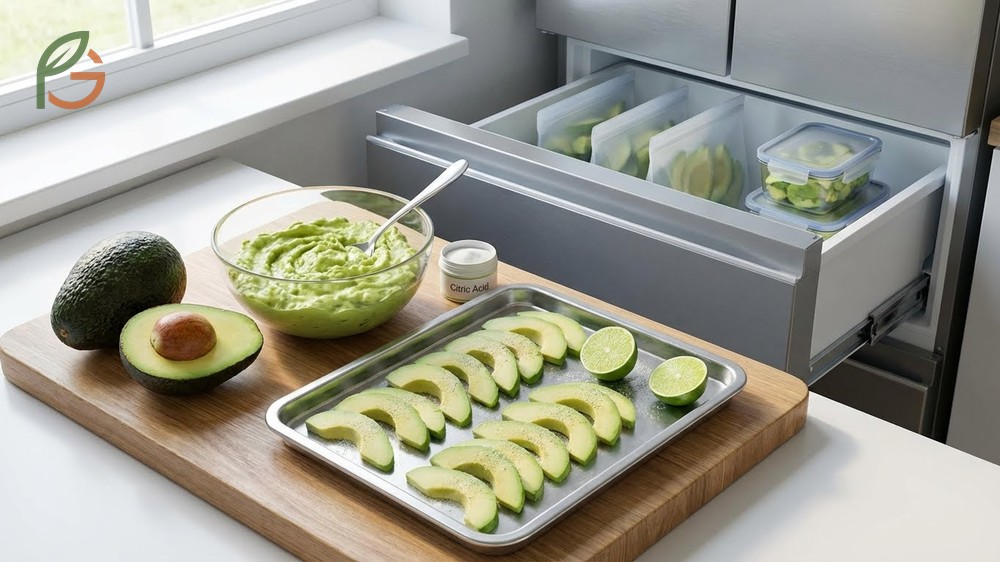
Can you freeze avocados for 3 to 6 months using whole, sliced, or mashed methods[1]. Research shows that flash-freezing with citric acid prevents browning and preserves texture better than standard freezing methods[2]. FruitGarden synthesizes current preservation techniques to help you make the most of your harvest year-round.
Quick Answer
Can You Freeze Avocados
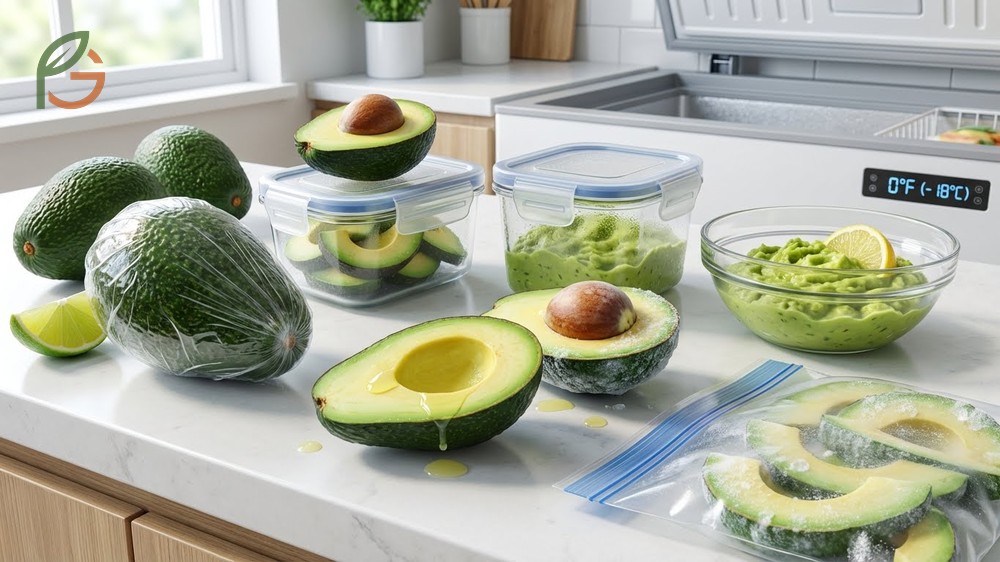
Freezing avocados preserves them when you’ve got more than you can use fresh. You can freeze them whole with the skin on, halved, sliced, or mashed depending on your intended use[4]. The key is preventing oxidation through proper wrapping and adding citric acid from lemon or lime juice.
Most home freezers maintain temperatures around 0°F (-18°C), which works fine for storage. Commercial IQF (Individual Quick Frozen) technology uses much colder temps to preserve texture better, but you’ll still get good results at home.
What often gets overlooked is that avocado ripeness matters more than freezing method. You want avocados at peak ripeness—slightly soft but not mushy—for the best post-thaw quality.
Why Freezing Works
Freezing halts the enzymatic browning that turns avocado flesh brown within hours of cutting. The cold temperature stops polyphenol oxidase enzymes from reacting with oxygen. Adding lemon juice (which contains citric acid) creates a double barrier by lowering pH and coating the surface.
Studies demonstrate that blanching avocados at 167-185°F (75-85°C) for 1-3 minutes before freezing further inhibits browning enzymes without cooking the fruit[5]. However, most home users skip this step since citric acid works well enough.
Texture and Taste Changes
You’ll notice frozen avocados become softer and slightly watery after thawing. Ice crystals that form during freezing rupture cell walls, changing the firm, creamy texture to something mushier. This doesn’t matter much in smoothies or guacamole, but it’s not ideal for dishes where you’d slice fresh avocado.
The taste stays mostly intact if you freeze properly. Low-quality freezing without citric acid can result in slight bitterness and gray coloring. High-quality frozen avocado is often indistinguishable from fresh in blended applications.
From My Experience: My cousin in Guadalajara, Mexico froze 20 avocados from his backyard tree in August 2024. He used the mashed method with lime juice, and by December they still tasted fresh in his morning smoothies—matching the 3-6 month range from research.
How to Freeze Avocados
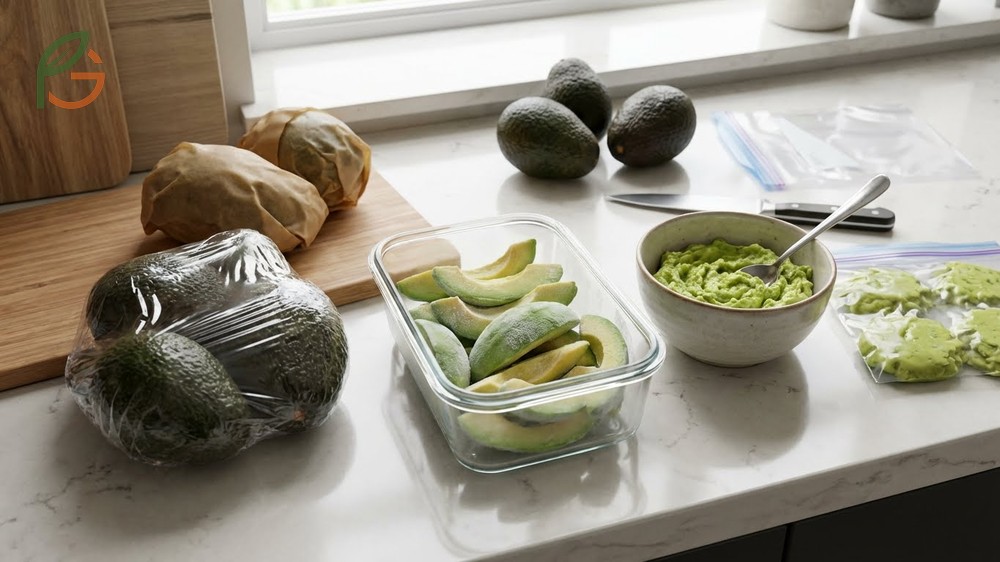
Each freezing method suits different uses. Whole avocados are fastest but take up more freezer space. Sliced avocados work well for smoothie portions. Mashed avocados are perfect for guacamole or spreads.
Always start with ripe avocados at peak quality. Unripe avocados won’t ripen properly after freezing, and overripe ones turn mushy.
This table compares preparation time, storage duration, best uses, and texture results across three avocado freezing methods
| Method | Prep Time | Storage Duration | Best For | Texture After Thawing |
|---|---|---|---|---|
| Whole | 1 min | 3-6 months[1] | Quick freezing, guacamole | Soft, mushy |
| Sliced | 5 min | 3-6 months[1] | Smoothies, portion control | Moderately soft |
| Mashed | 3 min | 3-6 months[1] | Guacamole, spreads, baby food | Smooth, consistent |
Freezing Whole Avocados
Wash the avocado skin thoroughly and dry it completely. Wrap each avocado tightly in plastic wrap or beeswax paper, then place in a freezer-safe bag[4]. Remove as much air as possible before sealing.
This method is ideal when you’re short on time or haven’t decided how you’ll use the avocados. The skin protects the flesh from freezer burn.
Important Note: Don’t freeze unripe avocados whole. They won’t ripen properly after thawing and will stay hard and bitter.
Freezing Avocado Slices
Cut the avocado in half lengthwise and remove the pit. Scoop out the flesh with a spoon and slice into your preferred thickness. Arrange slices on a parchment-lined baking sheet, keeping them spaced apart.
Brush or sprinkle lemon juice over each slice (about 2 teaspoons per avocado). Flash-freeze for 1-2 hours until solid, then transfer to a freezer bag. This prevents slices from sticking together in one frozen mass.
- Line baking sheet with parchment paper or silicone mat
- Arrange avocado slices with space between each piece
- Apply lemon or lime juice evenly to prevent browning
- Freeze for 1-2 hours until pieces are solid
- Transfer frozen slices to airtight freezer bags
- Remove excess air and seal tightly before storing
Freezing Mashed Avocado
Remove the pit and scoop out the flesh. Mash with a fork for chunky texture or use a food processor for smooth consistency. Add 1 tablespoon of lemon juice per avocado and mix thoroughly.
Portion the mashed avocado into individual containers or freezer bags. For easy single servings, freeze in ice cube trays first, then pop out the cubes and store them in a bag. Each cube equals roughly 2 tablespoons.
My friend in Oaxaca, Mexico freezes avocado in snack-size bags laid flat—they stack beautifully in her freezer drawer and thaw faster than bulky containers.
How to Defrost Avocado
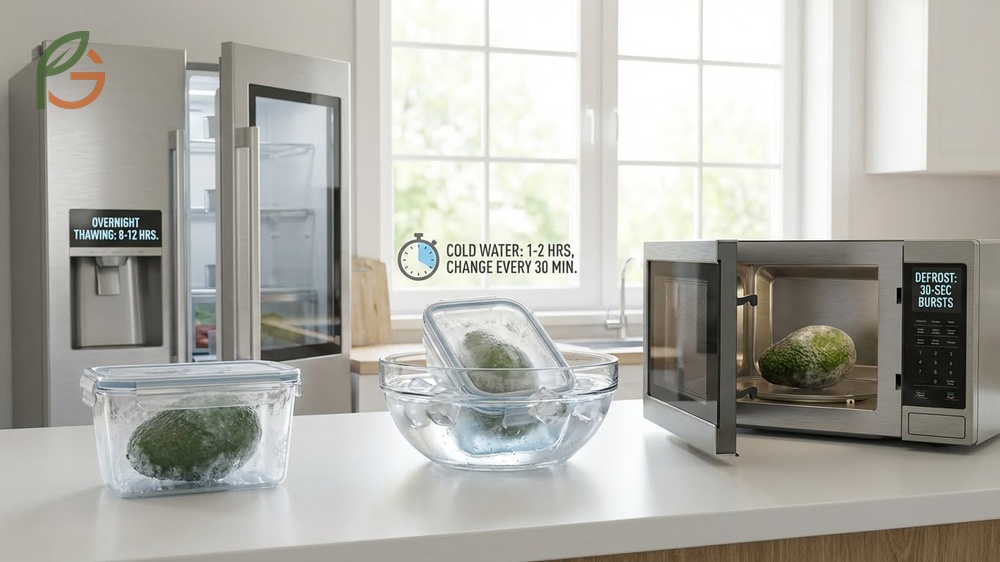
The safest method is overnight thawing in the refrigerator. Transfer frozen avocado from the freezer to the fridge 8-12 hours before you need it. This gradual thaw preserves texture better than quick methods[6].
For faster thawing, place the sealed container in a bowl of cold water. Change the water every 30 minutes. This speeds up the process to 1-2 hours without warming the avocado too much.
You can also use your microwave’s defrost setting in 30-second bursts. Keep the avocado slightly icy rather than letting it get warm—warmth degrades flavor quickly.
- Refrigerator thawing: 8-12 hours (best texture preservation)
- Cold water bath: 1-2 hours (moderate speed)
- Microwave defrost: 1-3 minutes in 30-second intervals (fastest but risks texture loss)
- Direct use for smoothies: no thawing needed, blend frozen
- Room temperature: 1-2 hours (acceptable for mashed avocado only)
Pro Tip: If you’re making smoothies, skip thawing entirely. Frozen avocado chunks blend perfectly straight from the freezer and create extra-creamy texture.
After thawing, use the avocado immediately. Don’t refreeze previously frozen avocado—the texture degrades significantly with each freeze-thaw cycle.
Best Uses for Frozen Avocado
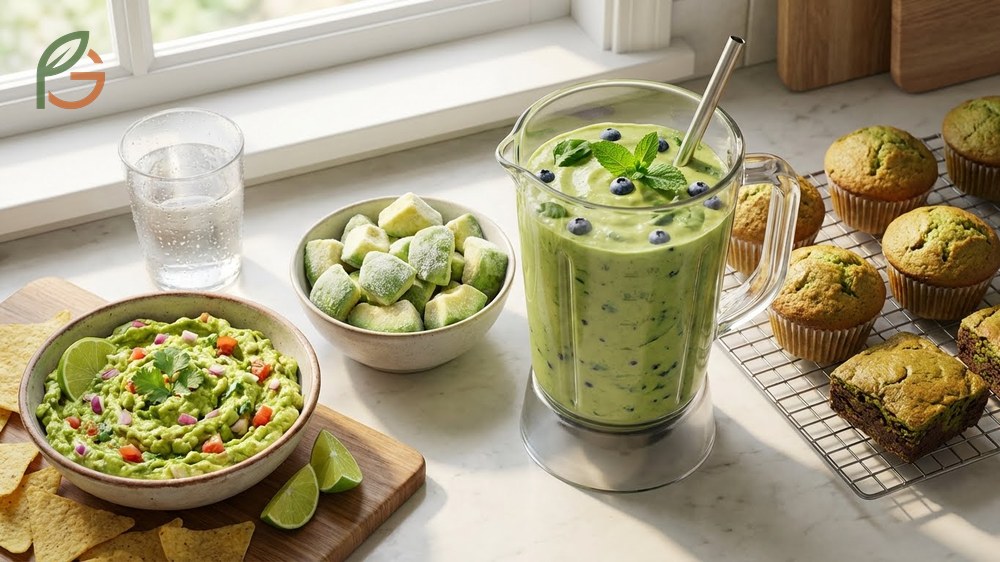
Frozen avocado works brilliantly in smoothies where texture doesn’t matter. The creamy fat content makes smoothies thick and satisfying without dairy. Research shows avocados add heart-healthy monounsaturated fats that improve nutrient absorption from other smoothie ingredients.
Guacamole is another perfect use. Mash thawed avocado with lime juice, cilantro, onion, and tomatoes. The slight texture change isn’t noticeable once everything’s mixed together.
Baked goods like avocado brownies or chocolate mousse hide any texture issues. The avocado adds moisture and healthy fats while staying undetectable in chocolate-forward recipes.
Avoid using thawed avocado for fresh applications like salads, avocado toast, or sushi rolls. The mushy texture and slight discoloration don’t work well when avocado is the visual star.
- Smoothies and protein shakes (use frozen chunks directly)
- Guacamole and avocado dips
- Avocado toast when mashed thoroughly
- Chocolate desserts like brownies and mousse
- Baby food purees (freeze in ice cube portions)
- Salad dressings and creamy sauces
- Soup garnish when slightly chunky texture is acceptable
For breakfast smoothies (6-9 AM), frozen avocado provides sustained energy for 4-5 hours when paired with protein powder and berries. The healthy fats slow sugar absorption and prevent mid-morning energy crashes.
Vacuum Sealing and Freezing Guacamole
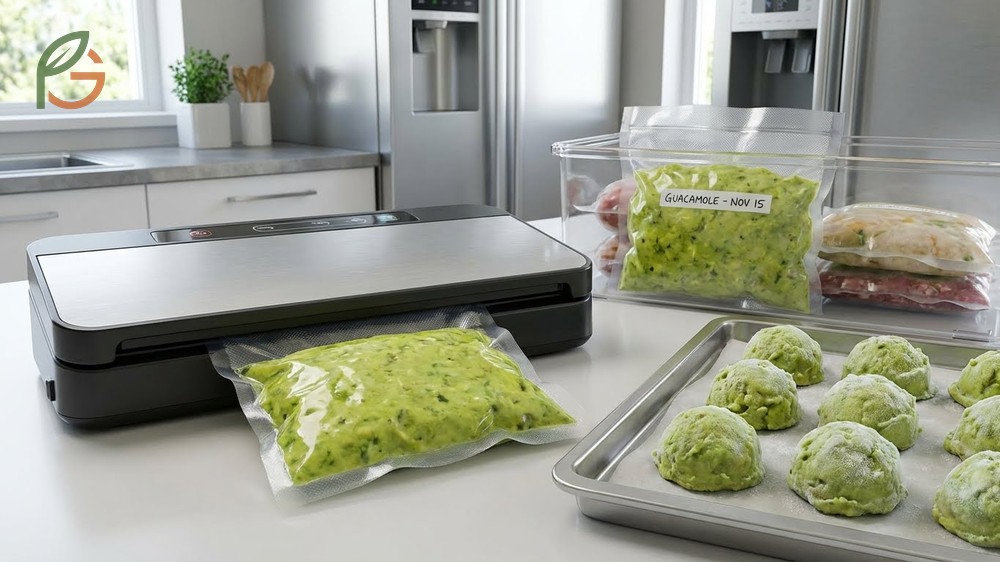
Vacuum sealing removes air exposure that causes browning and freezer burn. Pre-freeze guacamole for 45-60 minutes until firm but not solid, then transfer to vacuum-seal bags[7]. This prevents the mixture from getting sucked into the vacuum pump.
Vacuum-sealed guacamole lasts 6-8 months in the freezer compared to 3-4 months in regular containers. The tight seal preserves bright green color and fresh flavor better than standard freezer bags.
For avocado halves or slices, dip them in a 4% vinegar-water solution before vacuum sealing. This adds extra browning protection without affecting taste significantly. Flash-freeze pieces individually first so they don’t stick together in the bag.
Storage Tip: Label vacuum-sealed bags with the date and portion size. Most people forget how long items have been frozen, and this prevents waste.
If you don’t have a vacuum sealer, use the water displacement method with zip-top bags. Submerge the bag in water up to the seal, letting water pressure push out air, then seal quickly. It’s not as effective as true vacuum sealing but works reasonably well.
Conclusion
The evidence is clear: you can freeze avocados successfully for 3-6 months using whole, sliced, or mashed methods. Current preservation guidance emphasizes proper citric acid treatment and rapid freezing to maintain quality. Flash-freezing slices on baking sheets prevents clumping, while mashed avocado with lemon juice stays greenest longest.
Choose your freezing method based on intended use—whole for convenience, sliced for smoothies, or mashed for guacamole. Always thaw in the refrigerator when possible, and use frozen avocado in blended or cooked applications where texture changes won’t matter. FruitGarden helps gardeners preserve their harvest efficiently so nothing goes to waste during peak season.
Frequently Asked Questions
How long does frozen avocado last?
Frozen avocado lasts 3 to 6 months in the freezer when stored properly in airtight containers or freezer bags. Vacuum-sealed guacamole can last up to 8 months. After this time, quality degrades though it remains safe to eat.
Does freezing avocado change the taste?
High-quality frozen avocado tastes nearly identical to fresh when used in smoothies or guacamole. Poor freezing methods without citric acid can create slight bitterness and gray color. The texture becomes softer and mushier, which affects mouthfeel more than flavor.
Can you freeze whole avocados with skin on?
Yes, you can freeze whole avocados with the skin on. Wash and dry the skin thoroughly, wrap tightly in plastic wrap, then place in a freezer bag. This is the fastest freezing method but results in mushier texture after thawing compared to sliced methods.
What’s the best way to thaw frozen avocado quickly?
Place sealed frozen avocado in a bowl of cold water, changing the water every 30 minutes. This thaws avocado in 1-2 hours. For smoothies, skip thawing completely and blend frozen chunks directly. Microwave defrost works but risks texture loss if overheated.
Can you freeze avocado slices for smoothies?
Frozen avocado slices work perfectly for smoothies. Flash-freeze slices on a parchment-lined baking sheet for 1-2 hours after coating with lemon juice, then transfer to freezer bags. Each slice equals roughly one smoothie portion, making prep convenient.
Should you blanch avocado before freezing?
Blanching isn’t necessary for home freezing. Research shows blanching at 167-185°F for 1-3 minutes prevents browning enzymes, but most home users get excellent results using lemon or lime juice alone. Commercial processors use blanching for extended shelf life.
Can you freeze mashed avocado for guacamole?
Mashed avocado freezes excellently for guacamole. Mix 1 tablespoon lemon juice per avocado, store in airtight containers or snack-size freezer bags laid flat, and freeze for up to 6 months. Thaw overnight in the refrigerator before adding fresh ingredients like onion and cilantro.





