
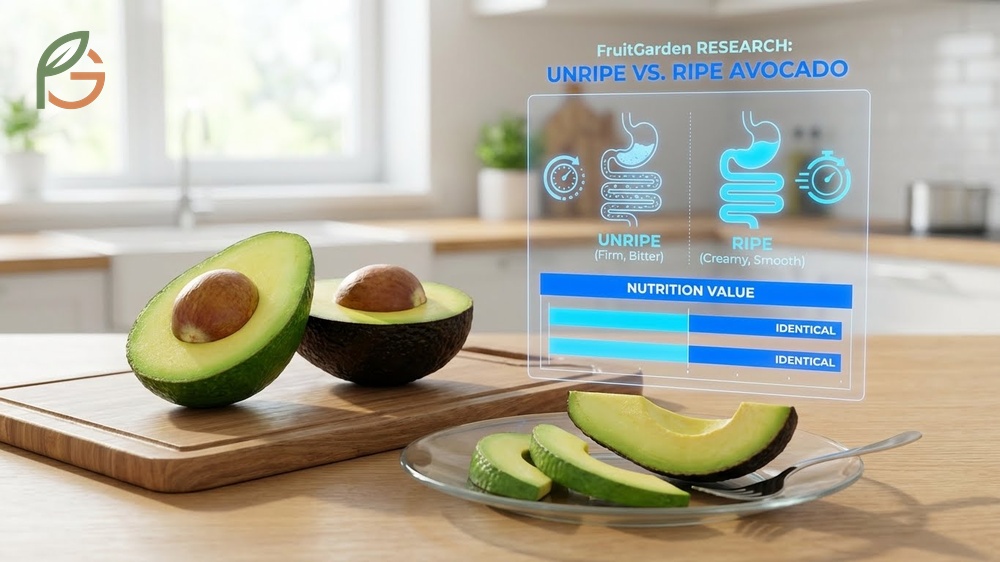
Can you eat unripe avocado? Yes, unripe avocados are safe to eat and provide the same nutritional value as ripe ones[1]. Research shows that firm avocados contain identical nutrients but come with a bitter taste and dense texture that may challenge digestion[2]. FruitGarden synthesizes current nutritional research and food science data to help you understand when and how to use unripe avocados effectively.
Quick Answer
- Unripe avocados are completely safe for non-allergic humans but contain persin that’s toxic to animals[3]
- One medium avocado provides 80 kilocalories and 3g fiber regardless of ripeness[4]
- Hard texture may cause mild digestive discomfort in sensitive individuals[2]
- Cooking methods (baking at 300°F/149°C for 10 minutes, microwaving on low for 90-120 seconds) soften the flesh effectively[5]
Can You Eat Unripe Avocado
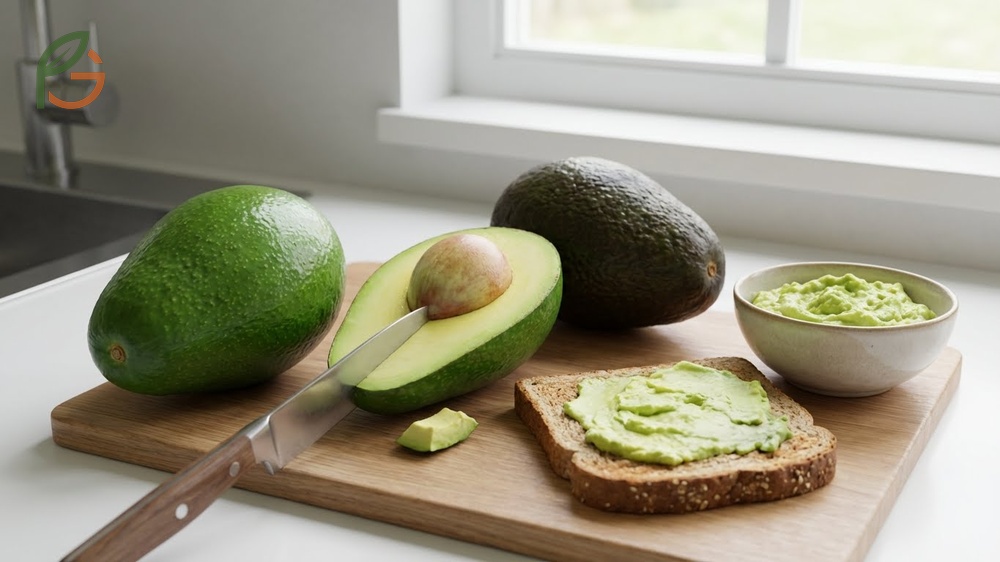
Unripe avocados are perfectly safe for human consumption, according to nutritionist Anna Jasonides, RD[6]. The firm, bright green fruit contains the same vitamins, minerals, and healthy fats as ripe avocados. What changes during ripening is texture and taste, not nutritional composition.
The biggest challenge you’ll face isn’t safety—it’s palatability. Unripe avocados taste bitter and have a dense, waxy texture that most people find unpleasant[1]. The flesh resists spreading and doesn’t mash easily. Most people prefer to wait for natural ripening rather than eat them hard.
Current guidance shows that you can consume unripe avocados raw, but cooking methods improve the eating experience significantly. Baking, frying, or microwaving breaks down the firm cell structure. This makes the fruit easier to digest and reduces the bitter compounds that develop before full ripeness.
Important Note: Don’t confuse unripe with rotten. An unripe avocado has bright green skin and firm flesh. A bad avocado shows dark streaks, slimy texture, or foul odor—discard these immediately regardless of firmness[7].
Nutritional Profile: Unripe vs Ripe
Research demonstrates that ripeness doesn’t affect the core nutritional content of avocados. Whether hard or soft, a 50g serving (one-third of a medium avocado) delivers 80 kilocalories, 8g total fat with 5g monounsaturated fatty acids, and 3g fiber[4]. The vitamin and mineral profiles remain constant throughout the ripening process.
Studies show that oil accumulation occurs during growth on the tree, not during ripening[4]. This explains why unripe avocados contain the same 15.4g fat per 100g as ripe ones. What does change is the seven-carbon sugar content—mannoheptulose and perseitol decrease by approximately 50% after three days at room temperature.
The fiber structure stays intact whether the avocado is hard or soft. You’ll get the same 6.8g fiber per 100g regardless of ripeness[4]. However, the dense texture of unripe flesh makes it harder for your digestive system to break down initially.
Persin in Avocado: Human Safety
persin only affects horses, birds, and domestic mammals.
Veterinary studies document persin’s mechanism of action in susceptible animals. When purified and administered to lactating mice at 60-100mg per kg body weight, persin causes mammary gland necrosis; doses above 100mg/kg result in myocardial damage[3]. Goats develop severe mastitis after ingesting 20g of avocado leaves per kg body weight.
These animal toxicity levels have no relevance to human consumption. The human digestive system processes persin without adverse effects. You’d need to be allergic to avocados themselves—not just sensitive to persin—to experience any reaction from eating the fruit.
Pet Warning: Never feed avocados to dogs, cats, horses, birds, rabbits, or livestock. Even small amounts can cause serious illness or death in these animals due to persin sensitivity.
Digesting Hard Avocado
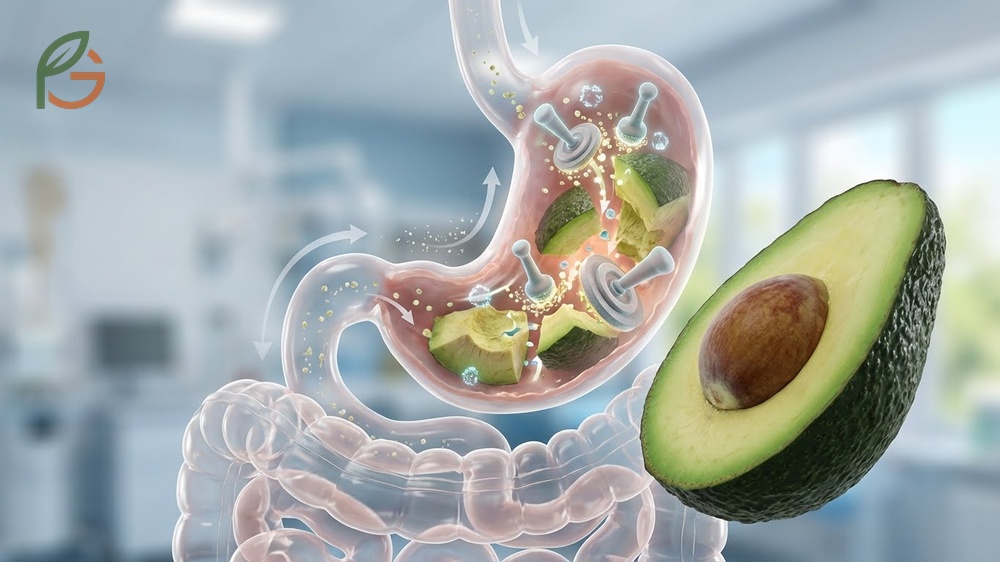
The firm texture of unripe avocados creates digestive challenges that ripe fruit doesn’t present. Current data indicates that the dense cell structure requires more mechanical and enzymatic breakdown in your stomach and small intestine[2]. This extra work can lead to temporary discomfort in some people.
Most people tolerate unripe avocados without issues, but those with sensitive digestive systems may notice effects. The bitter compounds present before full ripeness can trigger mild nausea. The hard flesh takes longer to break down, potentially causing a feeling of fullness that persists longer than normal.
Evidence suggests that moderation matters more than ripeness for digestive health. Eating one unripe avocado occasionally won’t harm you. Making it a daily habit when you have digestive sensitivities isn’t recommended—wait for natural ripening instead[2].
Stomach Ache From Unripe Avocado
Stomach discomfort from unripe avocados typically stems from three factors working together. The bitter taste can trigger your gag reflex and increase stomach acid production. The hard chunks take longer to break down, sitting in your stomach for extended periods. The high fat content combined with dense texture slows gastric emptying.
Research shows that unripe avocados may worsen symptoms in people with irritable bowel syndrome (IBS). The high fat content—15.4g per 100g—can trigger IBS spasms when combined with the firm texture that requires extra digestive effort[8].
Most stomach issues resolve within 2-4 hours as the food moves through your digestive tract. Drinking warm water helps. Ginger tea can reduce nausea if the bitter taste triggered discomfort. Walking for 10-15 minutes aids digestion by stimulating intestinal movement.
Fiber Content and Digestive Impact
Avocados rank among the highest-fiber fruits available, containing approximately 6.8g dietary fiber per 100g—that’s 65-80% of the total carbohydrate content[4]. This fiber includes both soluble types like pectin and insoluble types like cellulose. The mix promotes gut health when consumed regularly.
Excessive fiber intake causes digestive distress regardless of avocado ripeness. Eating more than one whole avocado daily can lead to bloating, gas, and loose stools. The American population averages only 17g fiber daily against a recommended 25-30g[4], so most people benefit from avocado’s fiber—but start with half an avocado if you’re unaccustomed to high-fiber foods.
The fiber structure in unripe avocados resists breakdown more than in soft fruit. Your gut bacteria eventually ferment all the fiber, producing beneficial short-chain fatty acids. But the process takes longer with firm flesh, which explains why unripe avocados may cause more gas initially.
How to Cook Hard Avocado
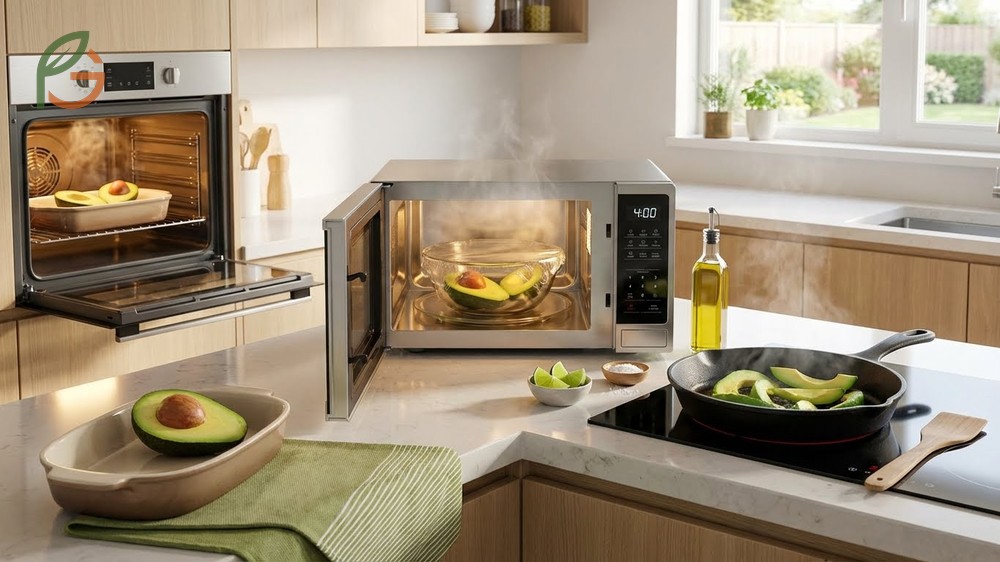
Cooking transforms unripe avocados from inedible to usable by softening the cell structure and reducing bitterness. Heat breaks down the pectin that holds cells together rigidly. This makes the flesh easier to mash, spread, or incorporate into dishes that would normally require ripe fruit.
The three most effective cooking methods are baking, microwaving, and pan-frying. Each approach works within 2-10 minutes. Don’t expect cooked unripe avocado to taste exactly like naturally ripened fruit—the buttery richness won’t fully develop. But you’ll achieve a texture that’s manageable for recipes.
Agricultural data shows that avocados ripen through ethylene gas production that only begins after harvest[4]. Cooking can’t replicate this chemical process. You’re mechanically softening the flesh through heat, not truly ripening it. Keep this distinction in mind when choosing between natural ripening and cooking.
Softening Avocado in Oven
Oven baking provides the most even heat distribution for softening unripe avocados. Preheat your oven to 300°F (149°C). Cut the avocado in half, remove the seed, and slice into quarters. Remove the skin and place the pieces in a small baking dish[5].
Squeeze the juice of one-quarter lemon over the avocado pieces. Season lightly with coarse sea salt and freshly ground black pepper. The lemon prevents oxidation browning while adding flavor that counteracts bitterness. Bake for 10 minutes or until the flesh yields to gentle pressure.
The oven method works best when you need to soften multiple avocados simultaneously. The fruit won’t develop the creamy texture of naturally ripened avocados, but it becomes soft enough to mash for spreads or guacamole. Let the pieces cool for 5 minutes before using to prevent burns.
Microwave Method for Quick Softening
Microwaving delivers the fastest softening method when you need avocado immediately. Use a fork or small knife to prick 4-5 holes in the whole avocado skin—this allows steam to escape and prevents explosions. Place the whole fruit on a microwave-safe plate[9].
Set your microwave to defrost or low power—never use high power. Microwave in 30-second intervals, allowing 30 seconds of rest between each burst. The seed retains heat that continues softening the flesh during rest periods. Most rock-hard avocados require 3-4 intervals, totaling 90-120 seconds of actual cook time.
Check softness by gently squeezing the avocado with an oven mitt—it will feel hot like a baked potato. Once cool enough to handle, cut it open to assess texture. If still too firm, microwave for one more 30-second interval. This method sacrifices some flavor quality for speed, so use it only when you can’t wait for natural ripening.
Microwave Warning: Expect a sulfur-like smell during microwaving—this is normal but unpleasant. Open windows or run ventilation. The odor dissipates once the avocado cools.
Recipes for Unripe Avocado
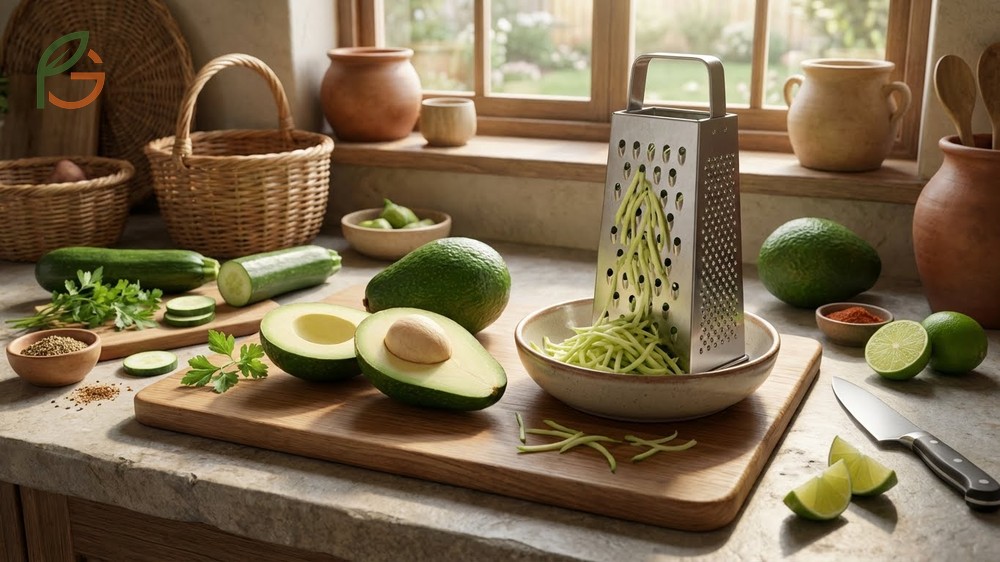
Culinary creativity turns unripe avocados from disappointing mistakes into intentional ingredients. The firm texture that makes them unpleasant raw becomes an asset in recipes requiring structure. Think of unripe avocados as a vegetable rather than a fruit—they work in applications where zucchini or cucumber would shine.
The key to success lies in preparation methods that work with the firmness instead of fighting it. Grating creates thin strands that soften quickly in marinades. Breading and frying develops a crispy exterior that contrasts with the creamy interior. Pickling preserves the firm texture while adding flavor that masks bitterness.
Evidence from food science research shows that heating unripe avocados changes their bitter compounds into more neutral flavors. Pairing them with acidic ingredients like lemon juice or vinegar accelerates this transformation. Fat-rich components like olive oil or cheese help carry flavors and improve mouthfeel.
- Slice into strips, dip in beaten egg and breadcrumbs, then bake at 400°F (204°C) for 15-20 minutes until golden and crispy[10]
- Cube the flesh, bake until soft, mash thoroughly, and combine with breadcrumbs and a beaten egg to form patties for pan-frying
- Wrap thin slices in bacon or prosciutto and bake at 375°F (191°C) for 12-15 minutes until the meat crisps
- Dice into cubes, place in a baking dish, cover with béchamel sauce and grated cheese, then bake until bubbly
- Dip slices in tempura batter and deep-fry at 350°F (177°C) for 2-3 minutes until light golden
Grating Unripe Avocado for Salad
Grating transforms rock-hard avocados into delicate strands that absorb marinades rapidly. Use the large holes of a box grater to shred the peeled avocado flesh directly into a bowl. The increased surface area allows seasonings to penetrate quickly, reducing bitterness within 20-30 minutes[10].
Create a marinade with equal parts sugar, fresh lemon juice, and fish sauce—typically 2 tablespoons of each for one large avocado. The sugar balances bitterness, lemon adds brightness, and fish sauce provides umami depth. Toss the grated avocado with the marinade and let sit at room temperature for at least 20 minutes.
After marinating, the avocado strands soften and develop a pickled quality. Sprinkle with toasted sesame seeds and chopped scallions before serving. This preparation works as a side dish, taco topping, or salad component. The texture resembles shredded cabbage more than traditional avocado.
Pickled Avocado Recipe
Pickling preserves unripe avocado’s firm texture while adding tangy flavor that completely masks bitterness. Slice the unripe avocado into 1/4-inch thick pieces or cubes—uniformity ensures even pickling. Pack the pieces into a clean glass jar with tight-fitting lid.
Prepare pickling brine by combining 1 cup white vinegar, 1 cup water, 2 tablespoons sugar, and 1 tablespoon salt in a saucepan. Add aromatics like 2 garlic cloves, 1 teaspoon mustard seeds, 1/2 teaspoon peppercorns, and a bay leaf. Bring to a boil, stirring until sugar and salt dissolve completely.
Pour the hot brine over the avocado pieces in the jar, ensuring complete submersion. Let cool to room temperature, then seal and refrigerate. The avocado becomes ready to eat after 24 hours. Pickled avocado stays good for 2-3 weeks refrigerated and works as a burger topping, sandwich addition, or cheese board accompaniment.
- Simmer with onions, garlic, carrots, and herbs until vegetables soften, then blend into smooth soup with salt, pepper, and a squeeze of lemon
- Cube and toss with olive oil, salt, and spices, then roast at 425°F (218°C) for 20-25 minutes until edges brown
- Slice thinly and layer in lasagna between cheese and sauce where it softens during baking
- Dice and add to stir-fries during the last 3-4 minutes of cooking for a tender-crisp vegetable element
- Mash cooked unripe avocado with lime juice, cilantro, and diced tomatoes for a textured guacamole alternative
Conclusion
The evidence is clear: unripe avocados are safe to eat and deliver identical nutrition to ripe fruit, though the bitter taste and firm texture challenge palatability and digestion. Current nutritional data shows that ripeness affects texture and flavor chemistry but doesn’t alter the core vitamins, minerals, healthy fats, or fiber content that make avocados valuable.
Agricultural research emphasizes that cooking methods—baking at 300°F (149°C) for 10 minutes or microwaving on low for 90-120 seconds—successfully soften unripe flesh for practical use. FruitGarden recommends natural ripening for the best eating experience, but these cooking techniques prevent waste when you’ve already cut into a hard avocado.
Medical Disclaimer
Important Medical Disclaimer: This content is for informational and educational purposes only. It is not intended as a substitute for professional medical advice, diagnosis, or treatment. Always consult a qualified healthcare professional before making any changes to your diet, especially if you have digestive conditions, food allergies, or other medical concerns. Individual responses to unripe avocados may vary based on personal health status.
Frequently Asked Questions
Is it ok to eat unripe avocado raw?
Yes, eating raw unripe avocado is completely safe for non-allergic humans. The main drawbacks are the bitter taste and hard texture that most people find unpleasant. Nutritionally, you’re getting the same vitamins, minerals, and healthy fats as ripe avocados. If you can tolerate the taste and your digestive system handles it well, there’s no health risk from eating unripe avocado raw.
Is unripe avocado toxic to humans?
No, unripe avocados are not toxic to humans. While avocados contain a compound called persin that’s toxic to animals like dogs, cats, horses, and birds, research confirms that persin poses zero risk to non-allergic humans. The rumor about human toxicity has no scientific basis. Only people with avocado allergies should avoid eating them regardless of ripeness.
Can unripe avocado cause stomach ache?
Unripe avocados can cause mild stomach discomfort in some people, particularly those with sensitive digestive systems or IBS. The firm texture requires more digestive effort, and bitter compounds may increase stomach acid production. Most people tolerate unripe avocados without issues, but if you experience discomfort, it typically resolves within 2-4 hours. Drinking warm water and walking can help ease any temporary digestive upset.
What’s the fastest way to soften an unripe avocado?
Microwaving is the fastest method, taking just 90-120 seconds total. Prick holes in the skin first, then microwave on low power in 30-second intervals with 30-second rests between. This softens the flesh enough to use within 2 minutes. However, this method sacrifices some flavor quality and creates an unpleasant sulfur smell. For better taste, bake at 300°F (149°C) for 10 minutes instead.
Does cooking unripe avocado destroy its nutrients?
Cooking unripe avocado at moderate temperatures (300-400°F or 149-204°C) for short periods (10-20 minutes) preserves most nutrients. The healthy monounsaturated fats remain stable during cooking. Heat-sensitive vitamins like vitamin C may decrease slightly, but minerals, fiber, and fat-soluble vitamins stay intact. The nutritional losses from brief cooking are minimal compared to the benefit of making the avocado edible.
Can you make guacamole with unripe avocado?
You can make guacamole with unripe avocado if you cook it first to soften the flesh. Bake or microwave the unripe avocado until it’s soft enough to mash, let it cool, then proceed with your normal guacamole recipe. The result won’t have the same creamy texture as traditional guacamole made from ripe avocados—it’ll be slightly grainier and less buttery. Adding extra lime juice, salt, and cilantro helps mask any remaining bitterness.
How long does it take for an unripe avocado to ripen naturally?
A rock-hard unripe avocado takes 3-7 days to ripen at room temperature, depending on how unripe it was initially. You can speed ripening to 2-3 days by placing the avocado in a paper bag with a banana or apple—these fruits release ethylene gas that triggers ripening. Store at room temperature between 65-75°F (18-24°C) and check daily by gently squeezing. The avocado is ripe when it yields to gentle pressure.





