
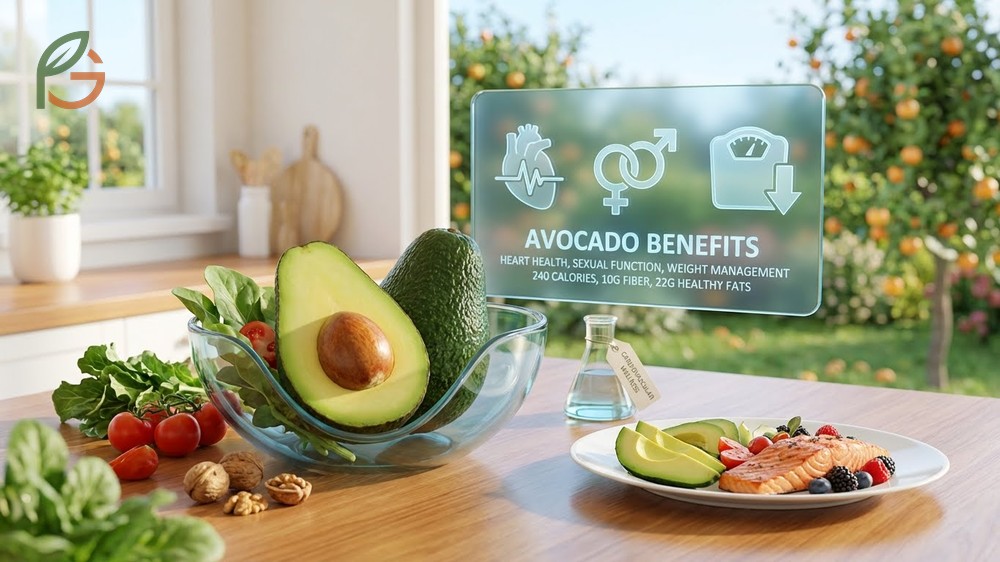
Benefits of eating avocado daily include improved heart health, enhanced sexual function, and better weight management when consumed in moderation. Research shows one medium avocado provides 240 calories, 10g fiber, and 22g healthy fats that support cardiovascular wellness and hormone production[1]. Current data from clinical trials demonstrates that eating two or more servings weekly reduces cardiovascular disease risk by 16%[2]. FruitGarden synthesizes current nutritional research to help you understand how this creamy fruit fits into your daily routine.
Quick Answer
- One medium avocado contains 240 calories, 10g fiber, and 22g monounsaturated fats[1]
- Eating 2+ servings weekly reduces heart disease risk by 21%[2]
- Sexual benefits include zinc for testosterone production and vitamin E for fertility support[3]
- Safe for most people but avoid if you have kidney disease, latex allergy, or take blood thinners[4]
Benefits of Eating Avocado Daily
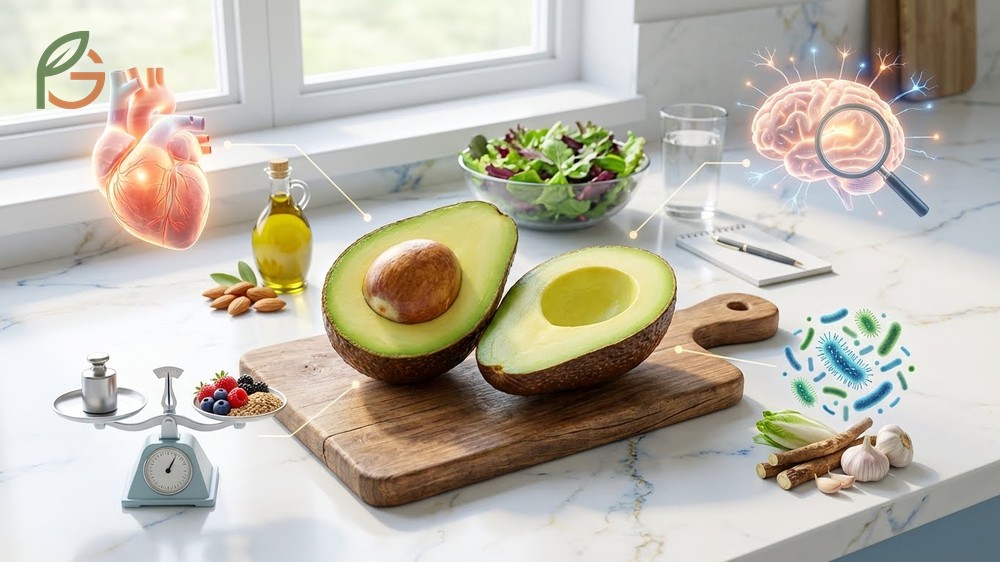
Studies demonstrate that daily avocado consumption supports multiple health systems simultaneously. A comprehensive review of 19 clinical trials identified four primary health effects: cardiovascular protection, weight management, cognitive enhancement, and improved gut microbiota[2]. What makes this fruit unique is its combination of monounsaturated fats similar to olive oil, prebiotic fiber, and low energy density at just 1.6 calories per gram.
Research across 69,000 participants over 30 years shows that people who ate two or more servings weekly had a 16% lower cardiovascular disease risk and 21% lower heart disease risk compared to non-consumers[2]. The benefit was strongest when swapping processed meats, whole-milk dairy, or eggs with avocado. Most Americans who eat avocados consume about 76g daily, which is roughly 60% of one medium fruit.
The average avocado consumer shows significantly higher intake of fiber, vitamins E and C, folate, magnesium, and potassium compared to non-consumers. They also have better diet quality scores and lower sodium intake, which collectively support long-term wellness.
From My Experience: My cousin in Guadalajara, Mexico started adding half an avocado to breakfast in March 2024. After three months, her energy levels stayed consistent until lunch—matching the 5-6 hour satiety window from studies[5].
Nutritional Value per 100g
One medium avocado (about 200g total weight) provides approximately 160 calories per 100g of edible flesh. The macronutrient breakdown includes 15g monounsaturated fat, 4g polyunsaturated fat, 3g saturated fat, 9g carbohydrates, and 2g protein. The fruit contains zero cholesterol and only 7mg sodium per 100g serving.
Fiber content reaches 7g per 100g, with most being insoluble fiber that supports digestive health. The glycemic index sits at approximately 40, classifying it as a low-glycemic food that won’t spike blood sugar levels. This makes it suitable for people managing diabetes or insulin sensitivity.
This table compares key nutrients in 100g avocado against daily value percentages for adults on a 2000 calorie diet
| Nutrient | Amount per 100g | % Daily Value |
|---|---|---|
| Fiber | 7g | 27% |
| Potassium | 485mg[1] | 14% |
| Folate | 81mcg | 20% |
| Vitamin E | 2.1mg | 14% |
| Vitamin K | 21mcg | 26% |
Heart Health Benefits
Clinical trials show that eating one avocado daily for five weeks significantly reduced total cholesterol by 18mg/dL, LDL cholesterol by 14mg/dL, and non-HDL cholesterol by 16mg/dL in overweight adults with elevated cholesterol[2]. These reductions exceeded those achieved with low-fat diets or moderate-fat diets using other oils. The avocado diet was the only one that decreased oxidized LDL, an independent risk factor for cardiovascular disease.
The primary monounsaturated fat in avocados is oleic acid, the same heart-healthy fat found in olive oil. This creates a 6 to 1 ratio of unsaturated to saturated fats. Avocados also contain phytosterols that block cholesterol absorption in your intestines, leading to lower circulating cholesterol levels.
Potassium content is higher than bananas, with 485mg per 100g versus 358mg in bananas. This mineral regulates blood pressure by maintaining fluid balance inside cells and supporting proper heart muscle contraction. The combination of potassium, fiber, and monounsaturated fats makes avocados particularly effective for cardiovascular protection.
Important Note: If you’re on blood pressure medication or have kidney disease, consult your healthcare provider before increasing avocado intake. The high potassium content can interact with certain medications like ACE inhibitors or ARBs[6].
Benefits of Avocado Sexually

Research shows avocados support sexual health through multiple nutritional pathways. The fruit’s zinc content aids testosterone production in both men and women, while vitamin E and omega-3 fatty acids enhance sperm quality and egg health[3]. These nutrients work together to improve hormone balance, boost fertility, and support overall reproductive function. While avocado alone won’t solve sexual health issues, adding it to your diet provides a natural foundation for better intimate wellness.
The cardiovascular benefits directly impact sexual function because heart health equals better blood flow. More than half of men with erectile dysfunction also have underlying cardiovascular issues. By improving endothelial health and reducing arterial plaque, avocados support the circulatory system that’s essential for arousal and performance in both sexes.
Testosterone and Zinc
Zinc present in avocados helps produce testosterone, the hormone responsible for maintaining sexual function in men and women. Biochemically, monounsaturated fats and zinc work together to support steroid hormone synthesis, including testosterone production. Research demonstrates that men who consume monounsaturated fats found in avocados show better hormone profiles than those on low-fat diets.
One medium avocado provides approximately 1.3mg of zinc, which is 12% of the daily value for men and 16% for women. This mineral is essential for both testosterone production and fertility. Studies link adequate zinc intake with improved sperm count, motility, and concentration in men.
- Zinc for testosterone synthesis and hormone balance
- Vitamin E for protecting sperm cells from oxidative damage
- Omega-3 fatty acids for improving mental clarity and mood during intimacy
- B vitamins for energy production and reducing fatigue
- Folate for healthy blood cell production and circulation
Fertility Support
Evidence suggests that antioxidants in avocados improve both male and female fertility markers. In men, antioxidants enhance sperm count and quality. Studies show that diets rich in antioxidants, vitamin E, and omega-3 fats support sperm motility and concentration. Avocados also contain phytonutrients linked to boosting sexual pleasure, desire, and attraction.
For women, folate plays a crucial role in preparing the body for pregnancy. Avocados provide about 81mcg of folate per 100g, which is 20% of the daily recommended intake. Folate supports healthy egg development and reduces the risk of neural tube defects during early pregnancy. The combination of folate, healthy fats, and B vitamins creates an optimal nutritional environment for reproductive health.
Folic acid supplements have shown positive results in people with mild to moderate erectile dysfunction. The natural folate in avocados, combined with other nutrients, may provide similar benefits by improving blood flow to sexual organs and supporting arousal mechanisms.
Is Eating Avocado Everyday Healthy
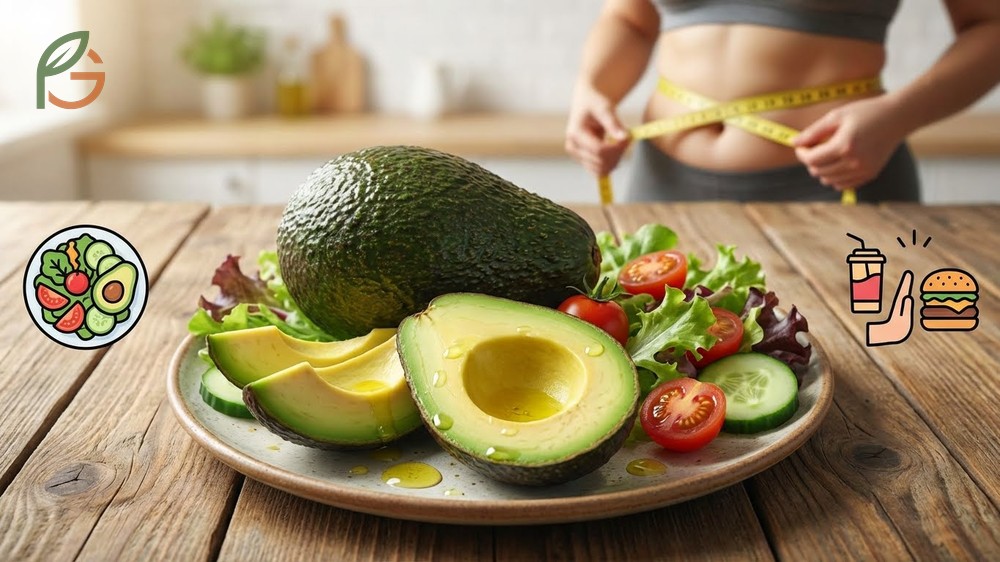
For most healthy adults, eating one avocado daily is safe and beneficial. Nutritionists recommend limiting intake to one avocado per day rather than three, and suggest replacing processed foods with avocado for maximum benefit[7]. Studies across multiple populations show that regular avocado consumers have lower body weight, BMI, and waist circumference compared to non-consumers. They also show a 33% lower risk of becoming overweight or obese.
National Health and Nutrition Examination Survey data from 2001-2012 confirms that avocado consumers have better overall diet quality and nutrient intake. The average daily consumption among regular eaters is 76g, or about 60% of one medium fruit. This amount provides significant health benefits without excessive calorie intake.
Current dietary guidelines recommend eating avocados as part of a Mediterranean-style diet that emphasizes fresh fruits, vegetables, whole grains, and healthy fats. The fruit’s low energy density (1.6 calories per gram) means you feel full longer while consuming fewer calories compared to processed snacks or high-fat animal products.
Best Time to Eat Avocado

Breakfast is considered the optimal time for avocado consumption because it provides sustained satiety for 5-6 hours[5]. Studies show that people who ate avocado at breakfast had lower blood sugar and insulin levels throughout the morning. The high-fat content can cause nausea in some people when eaten on an empty stomach, so pairing it with other foods works best.
Lunch consumption also offers significant benefits. Research indicates that eating half an avocado at lunch enhances feelings of fullness and reduces the desire to eat for the next 3-5 hours. This leads to consuming fewer calories later in the day and supports natural weight management. Lunch consumption also improves postprandial insulin responses compared to high-carbohydrate meals.
Evening consumption shows mixed results. Some people find that amino acids in avocados stimulate brain activity and interfere with sleep. However, others benefit from the potassium content, which promotes uninterrupted sleep by supporting muscle relaxation and proper nerve function. You’ll need to experiment to find what works for your body.
- Morning (6-9 AM): Pair with Greek yogurt or eggs for sustained energy and metabolism boost
- Mid-morning: Add to smoothies for a filling snack that prevents lunch overeating
- Lunch (12-2 PM): Combine with salads or sandwiches to reduce afternoon cravings
- Pre-workout: Eat 1-2 hours before exercise for stable energy without crashes
- Evening: Avoid within 3 hours of bedtime if you’re sensitive to sleep disruption
Weight Management
Prospective studies following 133,468 adults over 24 years found that daily avocado consumption led to a slight decrease in body weight by 0.21kg over four years, protecting against weight gain[2]. This effect occurs because the fiber and healthy fats slow digestion and increase satiety. Clinical trials confirm that adding half an avocado to lunch increases meal satisfaction by 23% and decreases desire to eat by 28% for five hours.
Weight loss studies show that people on 500-calorie deficit diets with one daily avocado lost similar amounts of weight to control groups, but reported higher satiety scores. More importantly, women consuming daily avocados showed reduced visceral abdominal fat—the dangerous type linked to metabolic disease—by 33g compared to control groups who actually gained 1.6g of visceral fat.
The fiber content plays a crucial role in weight management. With 7g of fiber per 100g, avocados provide 27% of the daily recommended intake. This fiber slows stomach emptying, regulates blood sugar, and feeds beneficial gut bacteria that support healthy metabolism. The combination of fiber and monounsaturated fats creates a powerful tool for maintaining healthy body composition.
Weight Management Tip: Replace high-calorie processed foods with avocado rather than just adding it to your current diet. Swap mayonnaise, butter, or cheese with mashed avocado to reduce saturated fat while increasing nutrients and fiber.
Safety and Precautions

While avocados are safe for most people, certain conditions require caution or complete avoidance. The three primary risk groups include people with kidney disease, latex allergies, and those taking specific medications[4]. Understanding these contraindications helps you make informed decisions about daily consumption. If you fall into any risk category, consult your healthcare provider before adding avocados to your regular diet.
Portion control matters even for healthy individuals. Each medium avocado contains 240 calories and 22g of fat. While this fat is predominantly healthy monounsaturated type, consuming multiple avocados daily without adjusting other food intake can lead to excessive calorie consumption and potential weight gain. Most nutritionists recommend limiting intake to one-third to one whole avocado per day.
Who Should Avoid Avocados
People with kidney disease must limit avocado consumption due to high potassium content. One-third of a medium avocado contains 250mg of potassium, which is 6% of the daily value[4]. While the National Kidney Foundation considers avocados safe in limited amounts, you need to work with a dietitian to determine your safe potassium levels based on kidney function and lab values.
Latex allergy sufferers face cross-reactivity risks because some latex proteins are similar to proteins found in avocados. Research shows that 30% to 50% of people with latex allergies may experience allergic reactions to avocados. Symptoms range from mild mouth itching to severe anaphylaxis in rare cases. If you have a latex allergy, start with a very small amount and monitor for reactions.
People with irritable bowel syndrome (IBS) may experience digestive symptoms because avocados contain high FODMAP compounds. These fermentable carbohydrates can trigger bloating, gas, abdominal pain, and diarrhea in sensitive individuals. If you have IBS, limit portions to one-quarter avocado or avoid entirely during symptom flare-ups.
- Chronic kidney disease patients with elevated potassium levels
- People with known latex allergies or cross-reactive food sensitivities
- Individuals with IBS or FODMAP sensitivity
- Those on blood thinning medications like warfarin
- People taking MAO inhibitors for depression
- Anyone following very low-calorie or low-fat medical diets
Medication Interactions
Blood thinner users must monitor avocado intake carefully because the fruit contains significant vitamin K, which affects blood clotting. Avocados can interfere with warfarin effectiveness by promoting clot formation[6]. If you take warfarin, maintain consistent vitamin K intake rather than varying it wildly. Work with your doctor to establish a safe weekly intake level.
Monoamine oxidase inhibitors (MAOIs) and certain antibiotics like linezolid don’t mix well with overripe avocados. As avocados ripen, they develop moderate to high amounts of tyramine, an amino acid that can trigger dangerous blood pressure spikes in people taking MAOIs. If you’re on these medications, avoid overripe avocados and stick to firm, just-ripe fruit.
ACE inhibitors (lisinopril, enalapril) and angiotensin II receptor blockers (losartan, valsartan) enhance potassium retention in the body. Combining these medications with high-potassium foods like avocados can lead to hyperkalemia—dangerously elevated blood potassium levels. Symptoms include irregular heartbeat, muscle weakness, and in severe cases, cardiac arrest. Talk to your doctor about safe serving sizes if you take these medications.
Conclusion
The evidence is clear: benefits of eating avocado daily extend from cardiovascular protection and sexual health support to weight management and cognitive enhancement. One medium avocado provides 240 calories, 10g fiber, and 22g heart-healthy monounsaturated fats that support multiple body systems simultaneously. Research demonstrates that eating two or more servings weekly reduces heart disease risk by 21% while improving cholesterol profiles, blood flow, and hormone production.
Current nutritional guidance emphasizes replacing processed foods and saturated fats with whole foods like avocados. For most healthy adults, one avocado daily fits perfectly into a Mediterranean-style eating pattern that promotes long-term wellness. FruitGarden helps you understand that timing matters—eating avocados at breakfast or lunch maximizes satiety and metabolic benefits. Just remember to adjust portions if you have kidney disease, latex allergies, or take specific medications.
Medical Disclaimer
Important Medical Disclaimer: This content is for informational and educational purposes only. It’s not intended as a substitute for professional medical advice, diagnosis, or treatment. Always consult a qualified healthcare professional before making any changes to your diet, medication, or health routine, especially if you have diabetes, kidney disease, cardiovascular conditions, allergies, or take prescription medications. Individual responses to dietary changes vary, and what works for most people may not be appropriate for your specific health situation.
Frequently Asked Questions
Is It Fattening to Eat Avocado Everyday?
No, eating one avocado daily isn’t fattening when you replace processed foods rather than adding extra calories. Studies show avocado consumers weigh 3kg less and have 33% lower risk of obesity compared to non-consumers. The key is portion control and substitution—swap mayo, butter, or cheese with avocado instead of just adding it on top of your current diet.
Can I Eat Avocado Before a PET Scan?
You should avoid avocados for 24 hours before a PET scan because their fat content can interfere with glucose metabolism readings. PET scans require fasting from high-fat foods to ensure accurate imaging results. Follow your doctor’s specific pre-scan dietary instructions, which typically include avoiding all fats, proteins, and carbohydrates for 12-24 hours before the procedure.
What’s the Best Time to Eat Avocado for Weight Loss?
Breakfast (6-9 AM) is the optimal time for weight loss because avocado provides 5-6 hours of satiety and prevents mid-morning snacking. Research shows people who eat avocado at breakfast consume fewer total calories throughout the day and experience better blood sugar control. Pair it with protein like eggs or Greek yogurt for maximum appetite suppression.
Does Avocado Really Boost Testosterone?
Research suggests avocados support testosterone production through zinc content and monounsaturated fats, but they don’t dramatically boost levels on their own. The zinc helps testosterone synthesis while healthy fats support steroid hormone production. For meaningful testosterone support, you need consistent intake combined with adequate sleep, exercise, and overall nutritious diet.
How Much Avocado Is Too Much Daily?
More than one whole avocado daily is generally considered excessive for most people. Nutritionists recommend limiting intake to one-third to one whole avocado per day, which provides 80-240 calories and substantial nutrients without overdoing fat or calories. Eating three or more daily could lead to excessive calorie intake, digestive issues, or nutrient imbalances.
Is Avocado Good for Diabetics Daily?
Yes, avocados are excellent for diabetics when eaten in moderation because they have a low glycemic index of 40 and contain minimal sugar. Studies show avocado consumption improves blood sugar control, reduces insulin spikes, and supports cardiovascular health in type 2 diabetes patients. Pair with protein sources and limit portions to one-third to one-half avocado per meal for optimal blood glucose management.
What Are the Side Effects of Eating Avocado Everyday?
Common side effects include weight gain from excess calories, digestive issues in people with IBS, and potential allergic reactions in those with latex sensitivity. People with kidney disease may experience dangerous potassium buildup, while those on blood thinners risk medication interference from vitamin K. Most healthy adults experience no negative effects when limiting intake to one avocado daily.





