
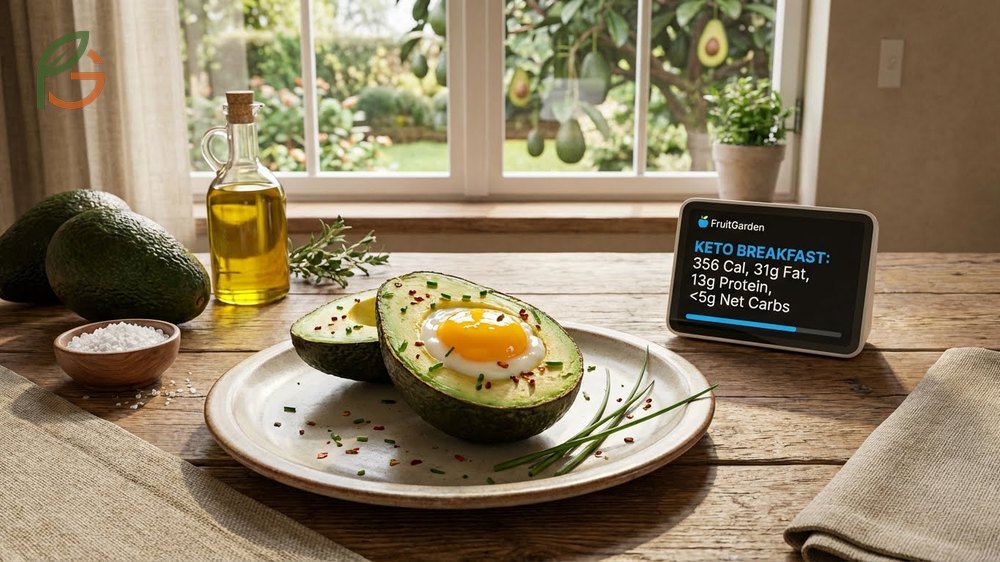
Baked avocado with egg combines nutrient-dense whole foods into a low-carb, high-fat breakfast that’s perfect for ketogenic diets. Research shows this simple dish provides 356 calories, 31g of healthy fats, and 13g of protein per serving while keeping net carbs under 5g. FruitGarden synthesizes current nutritional research to help you understand why this breakfast stands out for home gardeners growing their own avocados.
Quick Answer
Baked Avocado with Egg
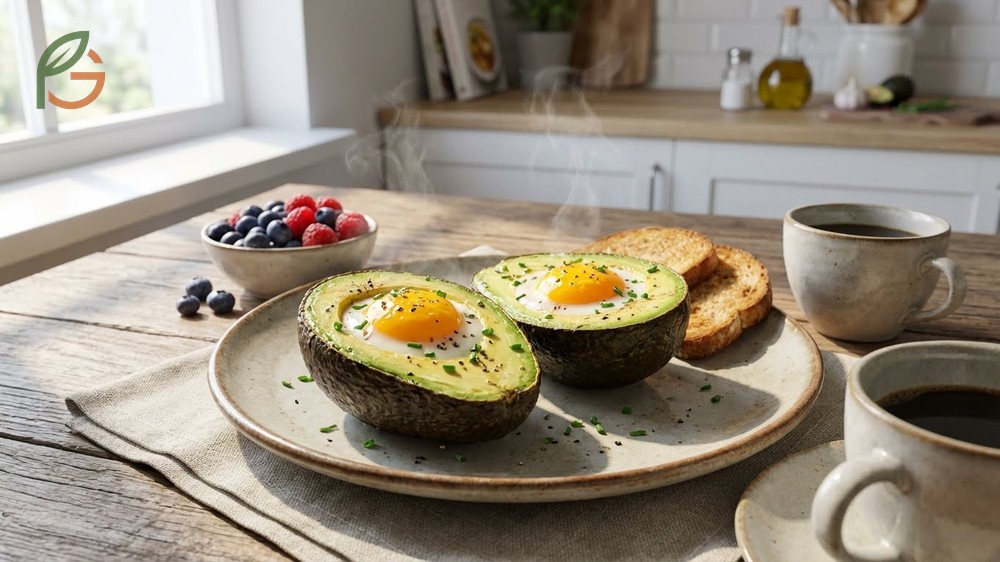
This breakfast combines the creamy richness of avocado with the protein power of eggs. A whole medium avocado contains 240 calories, 22g of fat (mostly monounsaturated), and 10g of fiber, while contributing zero cholesterol[3]. When you pair half an avocado with one egg, you’re creating a meal that’s naturally aligned with ketogenic macros.
Studies demonstrate that low-carbohydrate, high-fat diets like keto can help reduce inflammation, improve lipid profiles, and support weight loss[4]. the same heart-healthy fat found in olive oil. Most people don’t realize that timing matters less than consistency when following a keto diet.
What often gets overlooked is that avocado ripeness affects the final texture. You’ll want avocados that yield slightly to pressure but aren’t mushy. If you’re growing avocados in your home garden, harvest them when they’ve reached full size but are still firm—they’ll ripen off the tree in 2-3 days at room temperature.
Why It Works for Keto
The ketogenic diet requires roughly 70-75% of calories from fat, 20-25% from protein, and just 5-10% from carbohydrates. Research shows this macronutrient distribution forces your body into ketosis, where it burns fat for fuel instead of glucose[4]. This baked avocado dish naturally hits those targets.
When you bake the egg inside the avocado, the fats become even more bioavailable. The heat helps your body absorb fat-soluble vitamins like A, D, E, and K that are present in both ingredients. You’re getting 7g of fiber per serving, which doesn’t count toward net carbs and helps maintain digestive health during keto adaptation[1].
Nutritional Breakdown
One serving (half avocado with one egg) provides a complete nutritional profile. You’ll get 614mg of potassium, which is more than a medium banana and helps prevent the “keto flu” by maintaining electrolyte balance[1]. The egg contributes choline, selenium, and B vitamins that support brain function and metabolism.
Avocados contain phytosterols—plant compounds that block cholesterol absorption in your intestines. Combined with the egg’s 224mg of cholesterol, this creates a balanced meal that won’t negatively impact your cardiovascular health[3]. Current data indicates that dietary cholesterol has less impact on blood cholesterol than previously thought.
Important Note: If you’re monitoring sodium intake, be aware that adding bacon or cheese increases sodium from 400mg to over 600mg per serving. Season with herbs instead of salt to keep it heart-healthy.
Baked Avocado Recipe
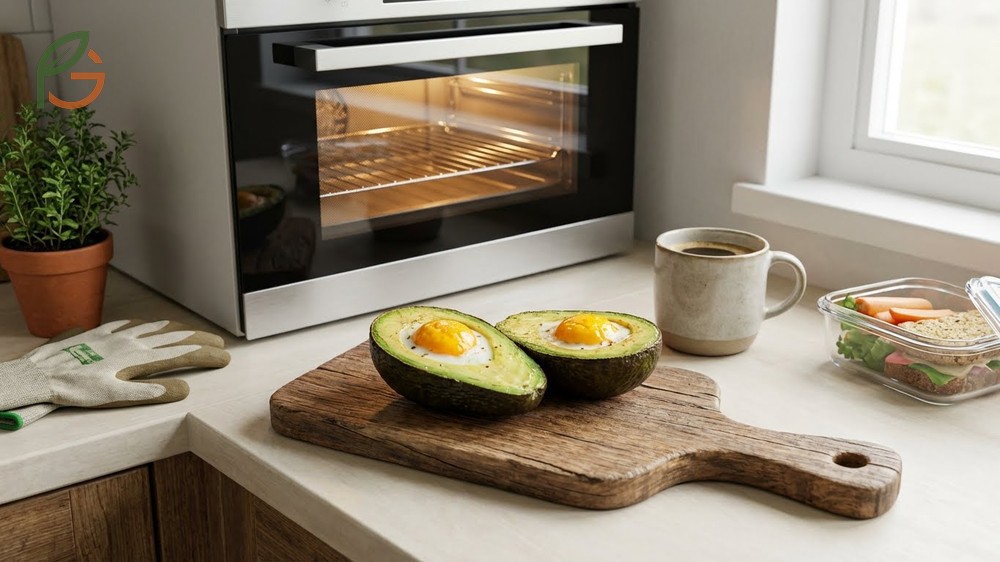
The beauty of this recipe lies in its simplicity. You don’t need fancy equipment or hard-to-find ingredients. Most people find they can make this in less time than it takes to order takeout breakfast. The key is getting your oven temperature right and choosing avocados at the perfect ripeness.
Unlike scrambled eggs that require constant attention, baked avocado eggs cook hands-free. This gives you time to prepare coffee, pack lunches, or tend to your garden while breakfast cooks. The recipe scales easily—double or triple it when feeding a family.
Ingredients You Need
- 2 medium Hass avocados – look for fruit that yields slightly to gentle pressure
- 4 large eggs – room temperature eggs crack more easily without breaking the yolk
- Salt and black pepper – to taste, about 1/4 teaspoon each
- Optional: 2-4 strips cooked bacon – adds 50 calories and 4g fat per strip
- Optional: 2 tablespoons chopped bell pepper – adds color and 3 calories per tablespoon
- Optional: fresh herbs – chives, parsley, or cilantro for garnish
- Optional: red pepper flakes – 1/4 teaspoon for heat
Step-by-Step Instructions
Start by preheating your oven to 400°F (204°C)[2]. Cut each avocado in half lengthwise and remove the pit using your fingers (not a knife—safer this way). Scoop out about 1-2 tablespoons of flesh from each half to create a larger well for the egg.
Place avocado halves in a baking dish, positioning them so they won’t tip. Crack one egg into each avocado half—the white might overflow slightly, which is normal. Season with salt and pepper, then bake for 12-15 minutes for runny yolks, or 15-18 minutes for fully set eggs[2].
The avocado flesh will soften slightly but won’t turn mushy if you catch it at the right moment. Remove from the oven when the egg whites are opaque and firm. Let cool for 2 minutes before serving—the avocado retains heat and you’ll burn your mouth otherwise.
From My Experience: My cousin in Guadalajara, Mexico grows Hass avocados in her backyard orchard. She bakes them at exactly 400°F (204°C) for 13 minutes—her trick is setting a timer because the window between perfect and overcooked is just 2-3 minutes.
Avocado Egg Boats
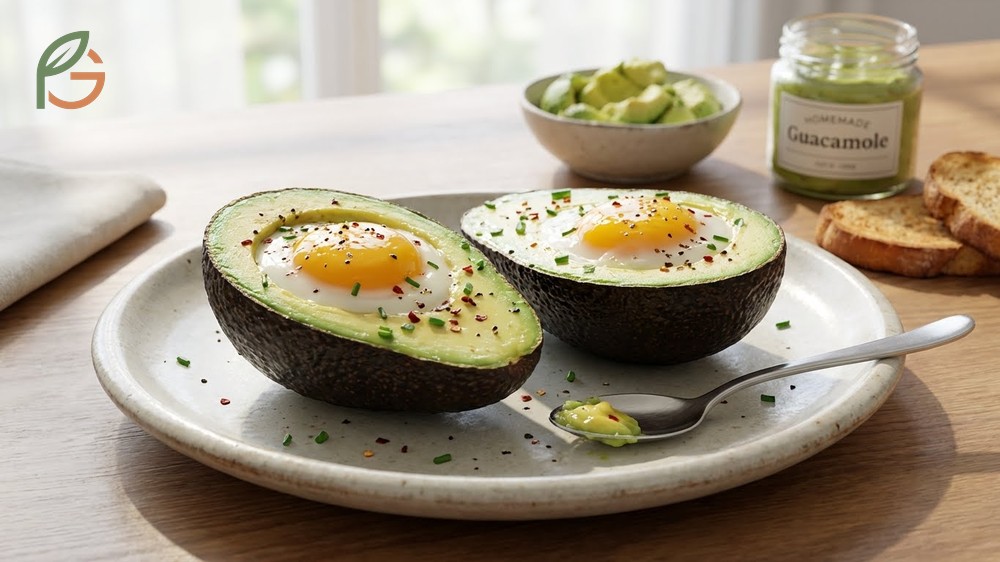
The term “egg boats” refers to the vessel-like shape of the avocado halves. When you scoop out extra flesh to make room for the egg, you’re creating a edible bowl. This presentation makes the dish Instagram-worthy while serving a practical purpose—the avocado skin holds everything together and makes it easy to eat with a spoon.
You can save the scooped-out avocado flesh for guacamole, smoothies, or spreading on keto-friendly bread. Don’t waste it—that extra tablespoon contains about 35 calories and 3g of healthy fats. Some people prefer deeper wells for larger eggs, while others keep it shallow to maximize avocado-to-egg ratio.
Customization Options
This recipe works as a base for endless variations. Research shows that adding colorful vegetables increases antioxidant content without significantly impacting carb count. You can customize based on what’s fresh from your garden or what you have in the fridge.
- Protein additions: crumbled sausage, diced ham, smoked salmon, or shredded chicken (adds 40-80 calories per serving)
- Vegetable mix-ins: sautéed spinach, diced tomatoes, mushrooms, or jalapeños (adds 5-15 calories per serving)
- Cheese options: shredded cheddar, crumbled feta, or grated parmesan (adds 50-80 calories and 4-6g fat per tablespoon)
- Flavor boosters: everything bagel seasoning, smoked paprika, garlic powder, or hot sauce (negligible calories)
- Fresh herbs: cilantro, basil, dill, or green onions (adds color and nutrients with under 5 calories)
Preventing Tipping
The biggest challenge when making avocado egg boats is keeping them stable during baking. If they tip over, the raw egg spills across your baking sheet—nobody wants that mess. Position the halves cut-side up and nestle them against each other for support[2].
You can also create a stabilizer using aluminum foil. Crumple a sheet into a ring shape and press it into the baking dish, then set the avocado half in the center. Small ramekins or muffin tins work too—just make sure they’re oven-safe. Line your pan with parchment paper for easier cleanup.
Pro Tip: If your avocados won’t sit flat, slice a thin piece off the bottom (skin side) to create a stable base. Don’t cut through to the flesh—just enough to remove the rounded surface.
Oven Baked Avocado
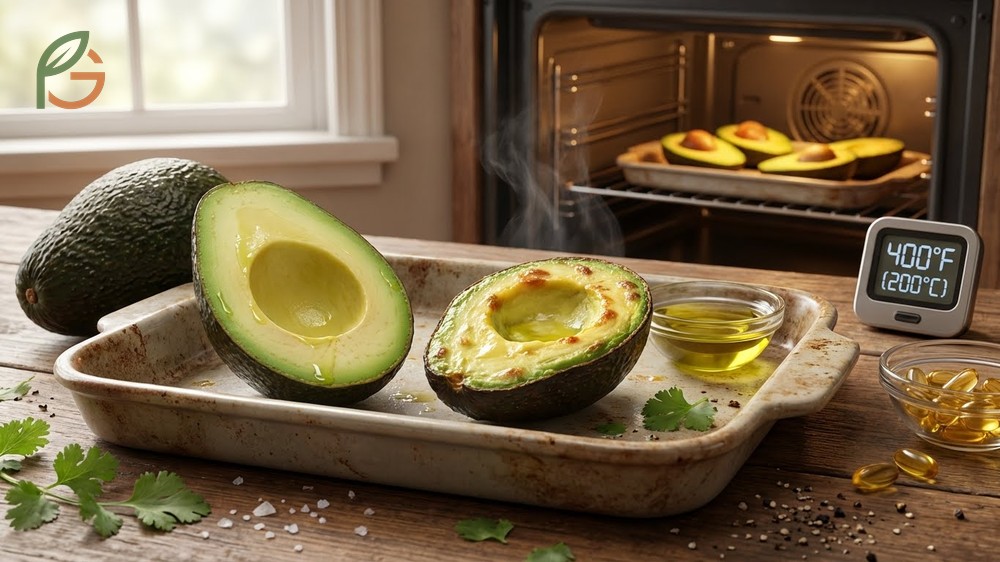
Baking avocados transforms their texture from dense and creamy to soft and buttery. The heat concentrates the natural oils and creates a warmer, more comforting experience than eating raw avocado. Current nutritional analysis shows that baking doesn’t significantly reduce the monounsaturated fat content or vitamin E levels[5].
The ideal oven temperature range is 375-425°F (191-218°C). Lower temperatures extend cooking time to 20-25 minutes but reduce the risk of overcooking. Higher temperatures create a firmer egg white in just 10-12 minutes. Most people prefer the 400°F (204°C) middle ground for consistent results.
You’ll know they’re done when the egg white is completely opaque with no translucent areas. The yolk should jiggle slightly when you gently shake the pan—that indicates it’s still runny inside. If you prefer hard-cooked yolks, add 3-5 minutes to the baking time.
- Use a convection setting if available—it cooks 2-3 minutes faster and creates more even heating
- Place baking dish on the middle oven rack for optimal heat circulation
- Don’t overcrowd the pan—leave at least 1 inch between avocado halves
- Check doneness at the 10-minute mark by gently touching the egg white with a spoon
- Let rest 2 minutes after removing from oven—carryover cooking will finish the eggs
- Serve immediately while hot—avocados don’t reheat well and become rubbery when microwaved
If you’re batch-cooking for meal prep, know that baked avocado with egg keeps for only 24 hours in the refrigerator. The avocado flesh oxidizes and turns brown, though it’s still safe to eat. Squeeze fresh lemon juice over the surface before storing to slow discoloration.
Breakfast Avocado Eggs
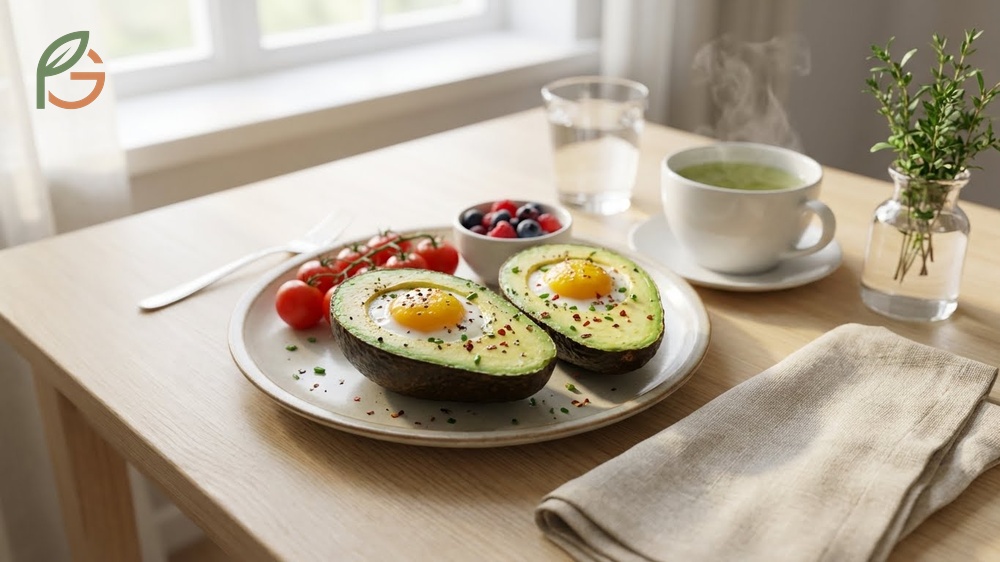
Starting your day with high-fat, moderate-protein, and low-carb foods helps maintain steady energy levels for 4-6 hours. Unlike carb-heavy breakfasts that cause blood sugar spikes and crashes, this meal provides sustained fuel. Studies demonstrate that the combination of healthy fats and protein increases satiety hormones and reduces mid-morning hunger[4].
The 31g of fat in baked avocado with egg provides slow-burning energy that keeps your metabolism stable[1]. You won’t experience the 10 AM energy crash that comes from toast or cereal. This matters because stable blood sugar supports better focus and productivity throughout your morning.
For optimal results, pair this breakfast with black coffee or unsweetened tea. Avoid adding sugar or high-carb milk alternatives that would kick you out of ketosis. If you’re growing your own avocados, you’ll appreciate having a go-to recipe that showcases your harvest while supporting your health goals.
This table compares calories, fat, protein, carbs, and net carbs across three breakfast options including baked avocado egg, scrambled eggs with toast, and yogurt with granola
| Breakfast Option | Calories | Fat (g) | Protein (g) | Carbs (g) | Net Carbs (g) |
|---|---|---|---|---|---|
| Baked Avocado Egg | 356[1] | 31[1] | 13[1] | 12 | 5[1] |
| Scrambled Eggs + Toast | 320 | 18 | 16 | 22 | 20 |
| Yogurt + Granola | 380 | 12 | 14 | 52 | 48 |
The comparison reveals why baked avocado with egg outperforms traditional breakfasts for keto dieters. While yogurt with granola packs 48g net carbs—nearly a full day’s allowance on strict keto—this avocado dish keeps you well within your limits. You’re getting more healthy fats and fewer inflammatory carbohydrates.
Conclusion
The evidence is clear: baked avocado with egg delivers a complete ketogenic breakfast in under 30 minutes from start to finish. You’re combining two nutrient-dense whole foods that provide sustained energy, essential vitamins, and the macronutrient ratios needed to maintain ketosis. Current guidance emphasizes food quality over calorie counting, and this recipe checks every box for both nutrition and taste.
Whether you’re growing Hass avocados in your backyard or buying them at the farmers market, this recipe makes the most of your harvest. FruitGarden continues to track agricultural research on optimal growing conditions and nutritional profiles to help home gardeners maximize their fruit production and health benefits.
Medical Disclaimer
Important Medical Disclaimer: This content is for informational and educational purposes only. It’s not intended as a substitute for professional medical advice, diagnosis, or treatment. Always consult a qualified healthcare professional or registered dietitian before making any changes to your diet, especially if you have diabetes, cardiovascular disease, kidney problems, or other medical conditions. The ketogenic diet isn’t suitable for everyone and may cause side effects during the initial adaptation period.
Frequently Asked Questions
How many carbs are in baked avocado with egg?
One serving contains 12g total carbohydrates but only 5g net carbs after subtracting the 7g of fiber[1]. This makes it perfectly suitable for ketogenic diets, which typically allow 20-50g net carbs daily.
Can I make baked avocado eggs ahead of time?
You can prep the avocado halves up to 4 hours ahead by scooping them and coating the flesh with lemon juice to prevent browning. However, don’t crack the eggs into them until you’re ready to bake—the recipe works best when freshly made. Baked avocado eggs don’t reheat well and should be eaten immediately for optimal texture and flavor.
What temperature should I bake avocado egg boats?
Bake at 400°F (204°C) for 12-15 minutes for runny yolks or 15-18 minutes for fully cooked eggs[2]. The egg whites should be completely opaque and firm when done. Ovens vary, so start checking at the 10-minute mark to avoid overcooking.
Are baked avocados healthy for weight loss?
Research shows that the monounsaturated fats and fiber in avocados increase satiety and help control appetite, which can support weight loss when part of a balanced diet[3]. Studies demonstrate that low-carb, high-fat diets like keto can be effective for weight reduction[4]. However, at 356 calories per serving, portion control matters—this works best as a complete meal replacement, not an addition to other breakfast foods.
How do I keep avocado halves from tipping while baking?
Position the avocado halves so they nestle against each other for support, or create stabilizers using crumpled aluminum foil rings[2]. You can also slice a thin piece off the bottom (skin side only) to create a flat base. Small oven-safe ramekins work well too—just press the avocado half into the ramekin to hold it steady during baking.
What are the health benefits of eating avocado and eggs together?
Combining avocado and eggs provides complementary nutrients: avocados offer 15g monounsaturated fat and 10g fiber per whole fruit, while eggs contribute high-quality protein and choline[3]. The fat from avocado enhances absorption of fat-soluble vitamins A, D, E, and K from the egg. Current data indicates this combination supports cardiovascular health, brain function, and stable blood sugar levels.
Can I use different types of avocados for this recipe?
Hass avocados work best because their higher fat content (22g per whole fruit) creates the creamiest texture when baked[3]. You can use Florida or other varieties, but they contain more water and less fat, resulting in a firmer, less rich final dish. If you’re growing multiple avocado varieties, save the fattier Hass types for baking and use the leaner varieties for salads or guacamole.





