
Avocado and blood pressure share a powerful connection. Research shows that eating avocados regularly can help manage hypertension naturally through their exceptional potassium content and heart-healthy monounsaturated fats[1]. Studies demonstrate that consuming 2.5 or more avocados weekly correlates with lower self-reported hypertension rates among women, while animal research confirms blood pressure reductions of up to 21%[2][3]. FruitGarden synthesizes current nutritional research to help you understand how avocados fit into a heart-healthy lifestyle.
Quick Answer
- Half an avocado provides 690mg potassium, more than a whole banana’s 326mg[5]
- Contains only 5.5mg sodium[1] per half fruit, supporting healthy sodium-potassium balance
- Delivers 10g fiber per whole avocado for cardiovascular support
- Fits perfectly into DASH diet guidelines with 250mg potassium[7] per one-third serving
Avocado and Blood Pressure
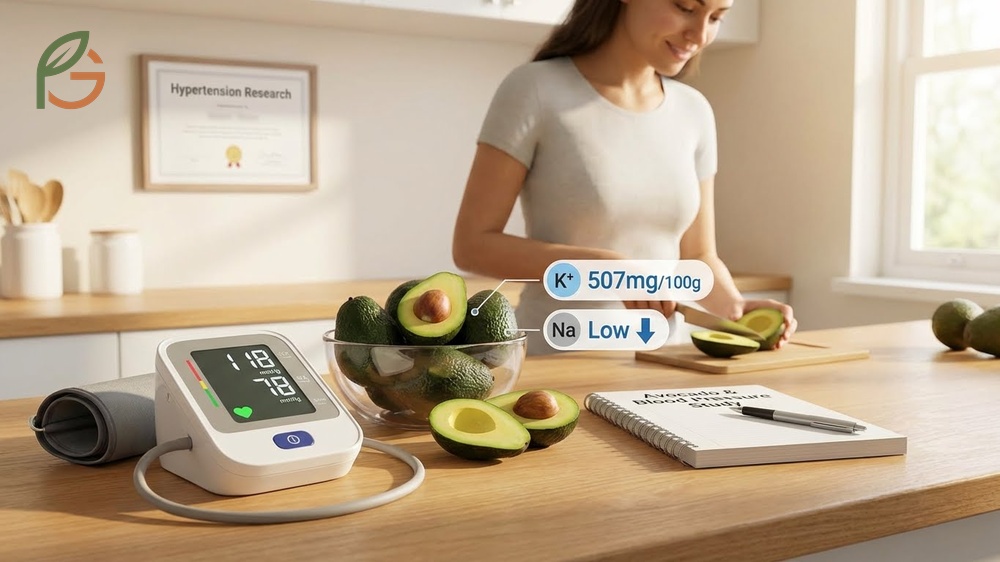
Studies demonstrate that avocados directly influence blood pressure through multiple nutritional pathways. The fruit’s exceptional potassium density—507mg per 100g—works alongside minimal sodium content to create ideal conditions for cardiovascular health. Research across populations confirms this relationship isn’t theoretical.
Current data indicates that women consuming 2.5 or more avocados weekly showed measurably lower hypertension rates compared to those eating one or fewer monthly[2]. This large-scale study of 67,383 participants revealed concurrent increases in dietary fiber and monounsaturated fat intake. What’s remarkable is the consistency of these findings across different dietary patterns.
Evidence suggests the combination of nutrients matters more than any single component. Avocados deliver potassium, magnesium, and healthy fats together, creating synergistic effects on vascular function. The sodium-to-potassium ratio particularly stands out—with only 5.5mg sodium per half fruit against 345mg potassium[1], this ratio supports optimal blood pressure regulation.
How Potassium Regulates Blood Pressure
Potassium acts as a natural blood pressure regulator through two primary mechanisms. Your kidneys eliminate excess sodium more efficiently when potassium levels remain adequate[8]. This mineral also relaxes blood vessel walls, improving blood flow and reducing resistance.
The National Institutes of Health recommends 3,400mg daily for adult men and 2,600mg for women[5]. Half an avocado contributes roughly 20% of women’s needs and 15% for men. Most Americans fall short of these targets, making potassium-rich foods particularly valuable.
Low Sodium Content Matters
Avocados rank among the lowest-sodium fruits available. A standard 30g serving contains just 2mg sodium[1], representing 0.1% of daily value. This makes them ideal replacements for higher-sodium spreads and condiments.
Research shows that reducing sodium while increasing potassium creates the most significant blood pressure improvements. The FDA recognizes foods containing at least 350mg potassium with less than 140mg sodium per serving as potentially appropriate for blood pressure health claims[1]. Avocados easily meet these criteria.
Important note: If you’re taking potassium-sparing diuretics or have kidney disease, consult your healthcare provider before significantly increasing potassium intake. These conditions require careful potassium monitoring.
Monounsaturated Fats and Heart Health
A whole avocado provides 18g of monounsaturated fatty acids (MUFA)[6], the same heart-healthy fats found in olive oil. These fats don’t just passively exist—they actively improve cardiovascular markers. Current guidance emphasizes replacing saturated fats with monounsaturated options to support healthy cholesterol levels.
Agricultural data shows that combining potassium-rich foods with healthy fats enhances nutrient absorption. The fat content in avocados helps your body absorb fat-soluble vitamins and phytochemicals that protect blood vessels from oxidative stress.
Does Avocado Lower Blood Pressure
Research confirms measurable blood pressure reductions from avocado consumption, though the magnitude varies by study design and population. Animal studies provide controlled evidence, while human observational data offers real-world context. Together, these findings paint a compelling picture.
The mechanism extends beyond simple nutrient delivery. Avocados influence vascular function at the cellular level, improving how blood vessels respond to pressure changes. This explains why benefits appear consistent across different study methodologies.
Clinical Evidence in Humans
The largest human study tracked 67,383 Mexican women over multiple years. Those consuming 2.5 or more avocados weekly reported significantly lower hypertension rates than minimal consumers[2]. The median intake was just half an avocado weekly, suggesting even modest consumption provides benefits.
What makes this study valuable is its exclusion of women with pre-existing hypertension. This design shows preventive effects rather than just treatment outcomes. The concurrent increases in fiber and healthy fat intake suggest avocados work through multiple pathways simultaneously.
Animal Research Findings
Controlled animal studies demonstrate more dramatic effects. Hypertensive rats given avocado oil showed 21% lower diastolic pressure and 15% lower systolic pressure compared to controls[3]. These reductions matched pharmaceutical treatment with losartan, a common blood pressure medication.
The same study revealed improved renal vascular function and reduced mitochondrial oxidative stress. Blood vessel dilation improved markedly, suggesting avocado compounds directly affect vascular smooth muscle. While animal results don’t translate perfectly to humans, they reveal biological mechanisms worth noting.
Evidence consideration: Human studies show associations while animal research demonstrates causation. Both support avocado’s blood pressure benefits, though individual results vary based on overall diet quality and health status.
Potassium in Avocado vs Banana
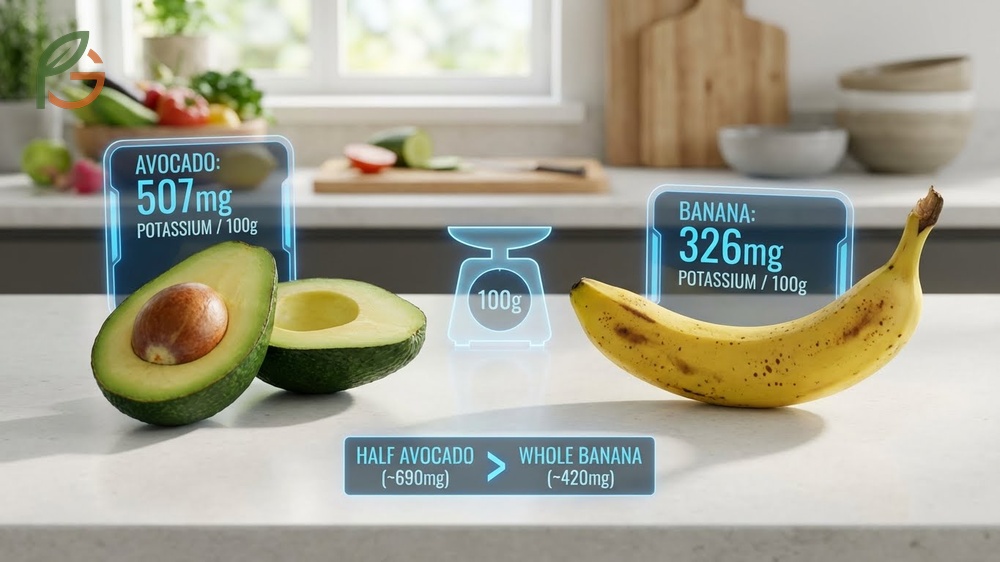
Avocados contain significantly more potassium per serving than bananas, despite bananas’ reputation as the go-to potassium source. The numbers tell a clear story: 100g of avocado delivers 507mg potassium while the same amount of banana provides 326mg[5]. That’s 55% more potassium in avocados.
Half a large avocado contains about 690mg potassium[4], exceeding the 420mg found in a whole medium banana[9]. This difference matters when you’re trying to reach daily potassium goals through whole foods rather than supplements.
This table compares potassium content, sodium levels, fiber amounts, and calorie counts between avocados and bananas per 100g serving
| Nutrient (per 100g) | Avocado | Banana | Winner |
|---|---|---|---|
| Potassium | 507mg[5] | 326mg[5] | Avocado (+55%) |
| Sodium | 7mg[1] | 1mg | Banana |
| Dietary Fiber | 6.7g[10] | 2.6g | Avocado (+158%) |
| Magnesium | 29mg[10] | 27mg | Avocado |
| Calories | 160 kcal[10] | 89 kcal | Banana |
Both fruits deserve places in a heart-healthy diet, but they serve different nutritional purposes. Bananas provide quick energy with more carbohydrates, while avocados deliver sustained satiety through healthy fats and fiber. For blood pressure management specifically, avocados offer superior potassium density alongside beneficial fats that bananas lack.
Consider combining both at breakfast for comprehensive mineral support. A smoothie with half an avocado and half a banana provides over 1,100mg potassium—roughly one-third of daily needs[5]. This pairing balances macronutrients while maximizing cardiovascular benefits.
Avocado Heart Health Benefits
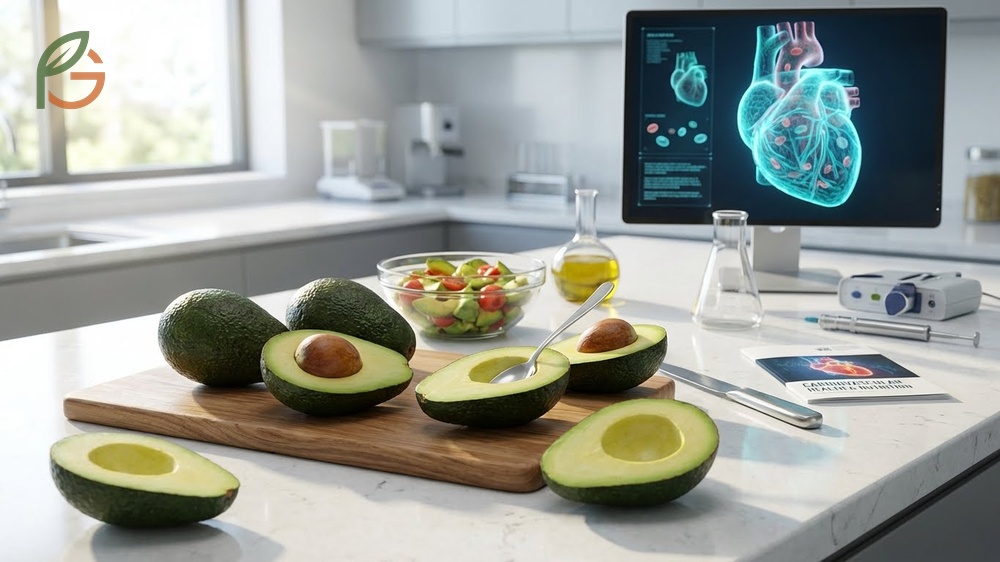
Avocados support cardiovascular health through mechanisms extending beyond blood pressure control. Their unique nutrient profile influences cholesterol levels, inflammation markers, and arterial function simultaneously. Research shows these effects compound over time with regular consumption.
The fruit’s combination of fiber, healthy fats, and antioxidants creates multi-system benefits. Blood vessels function more efficiently, cholesterol particles behave less atherogenically, and inflammatory responses moderate. Current data indicates that replacing saturated fats with avocado’s monounsaturated fats improves multiple cardiovascular risk markers.
Magnesium in Avocado
A 50g serving (one-third medium avocado) provides 15mg magnesium[6], representing 4% of daily value. This often-overlooked mineral works alongside potassium to relax blood vessel walls. Magnesium deficiency correlates with increased hypertension risk across populations.
Studies demonstrate that magnesium supports normal nerve and muscle function, maintains steady heartbeat, and helps regulate blood glucose[6]. The mineral also plays essential roles in energy production and protein synthesis, affecting overall cardiovascular performance.
Fiber and Cardiovascular Function
Whole avocados deliver 10g dietary fiber[6], with approximately 75% insoluble and 25% soluble. Soluble fiber particularly benefits cardiovascular health by binding cholesterol in the digestive tract. This mechanism reduces LDL cholesterol absorption, lowering circulating levels.
The fiber content also promotes satiety and stabilizes blood sugar responses. These effects indirectly support cardiovascular health by facilitating weight management and reducing metabolic stress. Most Americans consume only half the recommended 25-30g daily fiber, making avocados particularly valuable.
- Improves HDL to LDL cholesterol ratios through monounsaturated fat content
- Reduces oxidative stress markers that damage arterial walls
- Enhances nitric oxide production for better vascular dilation
- Decreases inflammatory cytokines linked to atherosclerosis progression
- Supports healthy weight maintenance through increased satiety signals
- Improves nutrient absorption of fat-soluble vitamins essential for cardiovascular function
DASH Diet Foods With Avocado
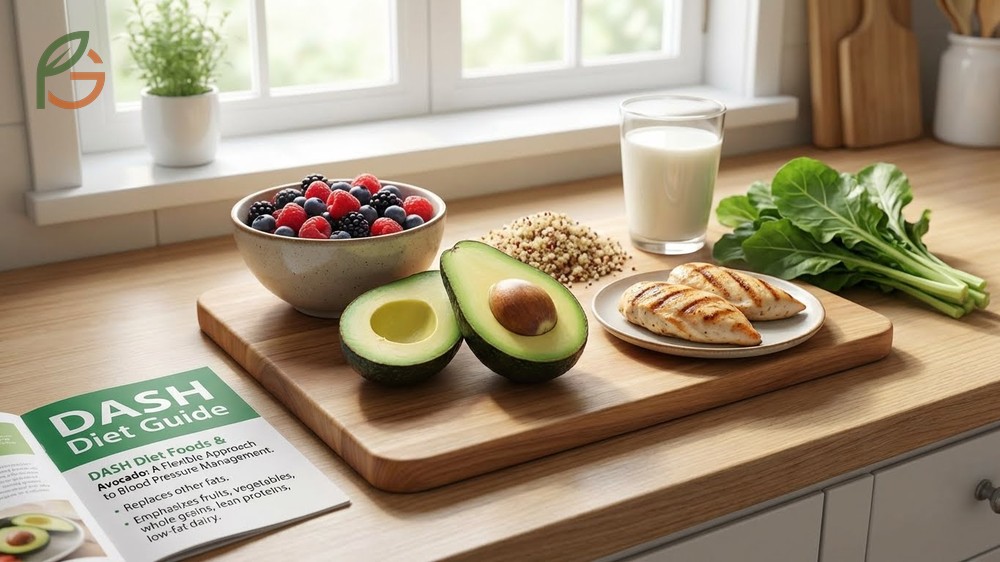
The Dietary Approaches to Stop Hypertension (DASH) diet explicitly accommodates avocados when used to replace other fats or refined carbohydrates[7]. This flexible eating plan emphasizes fruits, vegetables, whole grains, lean proteins, and low-fat dairy while limiting saturated fats, cholesterol, and sodium. Studies consistently rank DASH among the most effective dietary approaches for blood pressure management.
Research proves DASH effectively lowers blood pressure, blood cholesterol, and overall cardiovascular disease risk[7]. The diet doesn’t eliminate fats but prioritizes healthy versions. Avocados fit this framework perfectly by delivering beneficial fats alongside minerals that directly combat hypertension.
One-third of a medium avocado contains 250mg potassium and 3g fiber[7]—substantial contributions toward daily targets. This serving size works well as a spread alternative to butter or mayonnaise, both of which contain saturated fats that raise blood pressure risk.
- Replace butter on whole wheat toast with mashed avocado at breakfast for 250mg added potassium per serving
- Add diced avocado to spinach salads instead of cheese, reducing saturated fat while increasing fiber by 3g
- Use avocado as a creamy base for smoothies with Greek yogurt, berries, and leafy greens
- Mash avocado as a sandwich spread replacing mayonnaise, cutting sodium by 90mg per tablespoon
- Blend avocado into homemade salad dressings with olive oil, lemon juice, and herbs for heart-healthy fats
The DASH eating plan recommends 4-5 fruit servings daily and 4-5 vegetable servings[11]. Avocados technically qualify as fruits, though their fat content and culinary uses align more with vegetable functions. Either way, they contribute valuable nutrients without displacing other beneficial foods.
DASH diet tip: When adding avocados to your DASH plan, account for their calorie density by slightly reducing other fat sources. One-third avocado contains roughly 80 calories, similar to 1.5 teaspoons of oil or 1 tablespoon of nuts.
- Leafy greens (spinach, kale) provide additional magnesium and nitrates that enhance avocado’s blood pressure benefits
- Fatty fish (salmon, mackerel) complement avocado’s monounsaturated fats with omega-3 fatty acids for comprehensive cardiovascular support
- Legumes (black beans, chickpeas) add plant protein and soluble fiber that work synergistically with avocado nutrients
- Whole grains (quinoa, brown rice) provide B vitamins and additional fiber while keeping sodium naturally low
- Citrus fruits (oranges, grapefruit) enhance vitamin C intake and improve mineral absorption from avocado-based meals
- Low-fat Greek yogurt balances avocado’s fats with protein and probiotics that support overall metabolic health
Conclusion
The evidence is clear: avocado and blood pressure management go hand in hand through multiple proven mechanisms. With 690mg potassium per half fruit, minimal sodium content, heart-healthy monounsaturated fats, and 10g fiber per whole avocado, this fruit delivers comprehensive cardiovascular benefits. Research confirms that consuming 2.5 or more avocados weekly correlates with lower hypertension rates, while controlled studies show blood pressure reductions comparable to pharmaceutical interventions.
Current guidance emphasizes incorporating potassium-rich, low-sodium foods like avocados into balanced eating patterns such as the DASH diet. FruitGarden synthesizes agricultural and nutritional research to help you make informed decisions about heart-healthy produce. Whether you’re preventing hypertension or managing existing high blood pressure, avocados deserve a regular place in your meal rotation alongside other whole plant foods.
Medical Disclaimer
Important Medical Disclaimer: This content is for informational and educational purposes only. It is not intended as a substitute for professional medical advice, diagnosis, or treatment. Always consult a qualified healthcare professional before making any changes to your diet, medication, or health routine, especially if you have hypertension, cardiovascular disease, kidney conditions, or take blood pressure medications. Individuals on potassium-sparing diuretics or with chronic kidney disease should discuss potassium intake with their physician before significantly increasing consumption of high-potassium foods like avocados.
Frequently Asked Questions
Can Avocado Lower Blood Pressure
Yes, avocados can help lower blood pressure through their high potassium content (690mg per half fruit), extremely low sodium (5.5mg per half), and heart-healthy monounsaturated fats. Research shows that women consuming 2.5 or more avocados weekly had significantly lower hypertension rates, while animal studies demonstrated blood pressure reductions of 15-21% with avocado oil consumption.
Is Avocado Good for High Blood Pressure
Avocados are excellent for managing high blood pressure because they provide substantial potassium while remaining naturally low in sodium—the ideal mineral balance for hypertension control. Their 10g fiber per fruit and monounsaturated fats further support cardiovascular health. The DASH diet, scientifically proven to lower blood pressure, explicitly includes avocados as beneficial when substituted for saturated fats or refined carbohydrates.
How Much Avocado Should I Eat Daily for Blood Pressure
Studies suggest eating one-third to one-half avocado daily provides meaningful cardiovascular benefits. One-third of a medium avocado delivers 250mg potassium and 3g fiber, contributing toward daily nutritional targets without excessive calories. Research participants who consumed 2.5 or more avocados weekly (approximately half an avocado every other day) showed lower hypertension rates, suggesting this frequency offers preventive benefits.
Does Avocado Have More Potassium Than Banana
Yes, avocados contain significantly more potassium than bananas—507mg per 100g compared to banana’s 326mg per 100g, representing 55% more potassium. Half a large avocado provides about 690mg potassium, exceeding the 420mg found in a whole medium banana. This makes avocados the fruit with the highest potassium content per serving.
Are There Any Risks to Eating Avocado for Blood Pressure
Most people can safely include avocados in their diet, but individuals on potassium-sparing diuretics or with chronic kidney disease should consult healthcare providers before significantly increasing potassium intake. These conditions require careful potassium monitoring to prevent hyperkalemia. Additionally, avocados are calorie-dense at 160 calories per 100g, so portion control matters for those managing weight alongside blood pressure.
What Other Nutrients in Avocado Help With Hypertension
Beyond potassium, avocados provide magnesium (15mg per one-third fruit) which relaxes blood vessel walls, and dietary fiber (10g per whole fruit) which supports healthy cholesterol levels. The 18g of monounsaturated fatty acids per whole avocado improve cardiovascular function by reducing inflammation and oxidative stress. These nutrients work synergistically rather than in isolation, creating compound benefits for blood pressure management.
Can I Eat Avocado if I’m on Blood Pressure Medication
Generally yes, but consult your physician first, especially if you take ACE inhibitors or potassium-sparing diuretics which can increase potassium levels. Most blood pressure medications work compatibly with dietary potassium from whole foods like avocados. Your doctor may want to monitor potassium levels through blood tests when you increase intake significantly, ensuring levels remain within healthy ranges of 3.5-5.0 mEq/L.





