
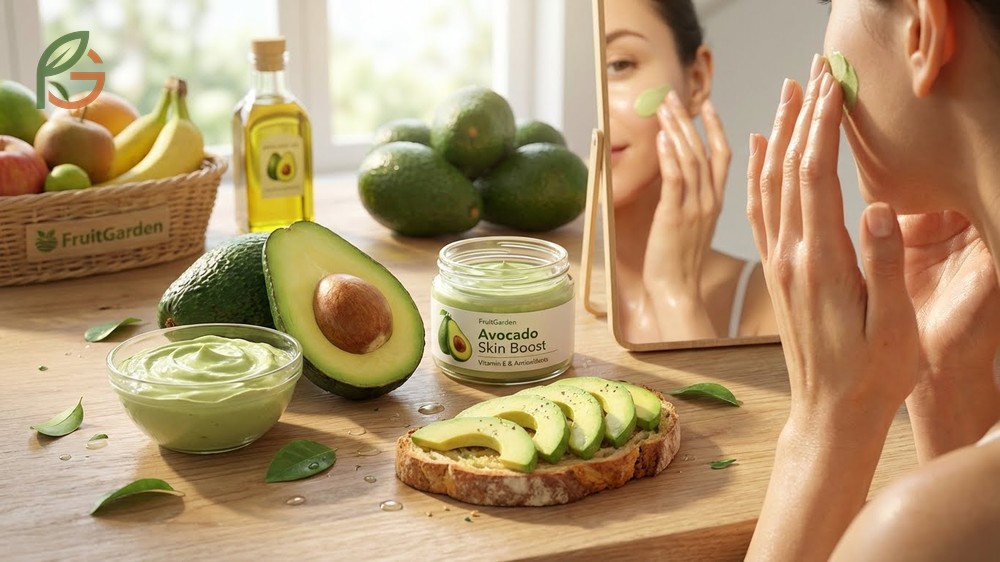
Avocado benefits for skin aren’t just hype—clinical research confirms that eating one avocado daily for 8 weeks significantly increases facial skin elasticity and firmness[1]. Studies show half an avocado provides 1.34mg vitamin E[2], plus antioxidants that protect against UV damage and reduce inflammation. Whether you’re eating avocados or applying them topically as face masks, this fruit delivers measurable skin improvements—and FruitGarden brings you the evidence-based approach to maximize these benefits.
Quick Answer
- Daily avocado consumption increases facial skin firmness by up to 20%[1] in just 8 weeks
- Half an avocado delivers 1.34mg vitamin E[2] and 6mg vitamin C[2]—both critical antioxidants for skin protection
- Monounsaturated fatty acids in avocado oil penetrate deep into skin layers[3], providing intense hydration
- Topical avocado face masks reduce inflammation, unclog pores, and support acne healing[4]
Avocado Benefits for Skin

Research demonstrates that avocados work on skin health through multiple pathways. A UCLA-led clinical trial with 39 women found that participants who ate one avocado daily showed measurable increases in forehead skin elasticity and firmness after just 8 weeks[1]. What’s particularly striking is that these improvements weren’t subtle—researchers used a cutometer to measure actual physical changes in skin structure.
The mechanism behind these benefits lies in avocado’s nutrient density. Half an avocado contains 1.34mg vitamin E and 6mg vitamin C, along with carotenoids and phenolic compounds that fight oxidative stress. Unlike processed supplements, these nutrients come packaged with healthy monounsaturated fats that enhance absorption and skin cell function.
Studies also show that avocado’s antioxidant capacity reaches 1350 micromol Trolox Equivalent per half fruit[2]. This high antioxidant load neutralizes free radicals from UV exposure and environmental pollution—two major drivers of premature skin aging. Most people don’t realize that internal consumption can be just as effective as expensive topical serums.
Eating Avocado for Glowing Skin
Current data shows that eating avocados regularly provides sustained skin benefits that go beyond surface-level hydration. The monounsaturated fatty acids in avocados support your skin’s lipid barrier from the inside out. When you eat avocado with meals, these healthy fats help your body absorb fat-soluble vitamins like A, D, E, and K—all crucial for maintaining skin integrity.
Dr. Zhaoping Li from UCLA’s Center for Human Nutrition explains that proper nutrition affects skin more profoundly than most topicals: “When you take care of your entire body with proper nutrition, your skin is going to reflect that”[5]. This approach addresses skin health at the cellular level rather than just treating surface symptoms.
- Monounsaturated fatty acids: Support skin cell membranes and reduce inflammatory markers that contribute to acne and redness
- Carotenoids (136 mcg per serving): Convert to vitamin A in your body, promoting cell turnover and reducing fine lines
- Lutein and zeaxanthin: Protect skin cells from blue light damage and oxidative stress throughout the day
- Folate and B-vitamins: Support DNA repair processes in rapidly dividing skin cells
- Potassium and magnesium: Help maintain proper cellular hydration levels from within
- Dietary fiber (6.7g per half avocado): Supports gut health, which emerging research links to clearer skin
Important Note: Don’t expect overnight results. The clinical study showing skin improvements required consistent daily avocado consumption for 8 full weeks[1]. If you’re trying this approach, stick with it for at least 2 months before evaluating effectiveness.
Avocado Vitamin E Skin
Vitamin E acts as your skin’s primary fat-soluble antioxidant, protecting cell membranes from lipid peroxidation. Research shows that avocado delivers this vitamin in its most bioavailable form—alpha-tocopherol—along with complementary nutrients that enhance its effectiveness[2]. When you get vitamin E from whole foods like avocados rather than isolated supplements, you’re also getting vitamin C, which regenerates oxidized vitamin E molecules.
This synergy matters more than most people realize. Studies demonstrate that vitamin C and E work together to slow atherosclerotic progression and reduce oxidative damage[2]. The same protective mechanisms apply to skin cells exposed to UV radiation and pollution throughout the day.
Avocado for Skin Benefits
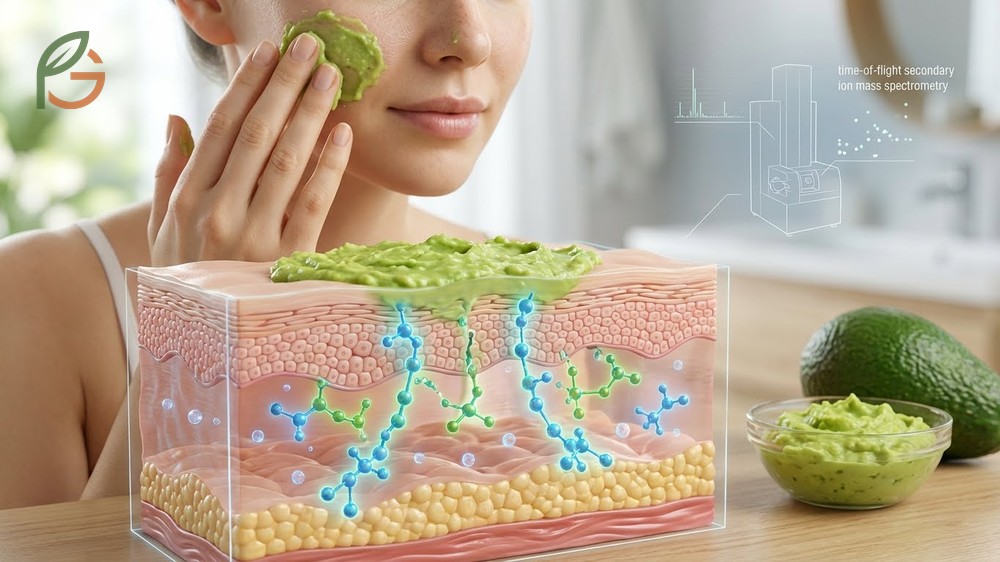
The versatility of avocado for skin extends beyond eating it—topical application offers targeted benefits that complement dietary consumption. When you apply mashed avocado directly to your face, the fatty acids penetrate through the stratum corneum into deeper skin layers[3]. This delivery method provides concentrated hydration exactly where you need it most.
Evidence from skin penetration studies using time-of-flight secondary ion mass spectrometry shows that oleic acid from avocado oil increases throughout epidermis and dermis layers[3]. Unlike some carrier oils, avocado’s fatty acid profile closely matches what your skin naturally produces, making it compatible with all skin types—even acne-prone skin when used correctly.
Topical avocado treatments work through several mechanisms. The vitamins A and E in mashed avocado support moisture retention in deeper skin layers. Retinol compounds and glutamine help remove dead skin cells without harsh chemical peels[4]. Antimicrobial properties in avocado oil can reduce bacterial activity in clogged pores.
Avocado Anti-Aging
The anti-aging effects of avocado stem from its ability to combat oxidative stress—the primary driver of visible aging. Research confirms that UV radiation generates free radicals that break down collagen and elastin fibers[4]. Avocado’s antioxidant compounds intercept these free radicals before they damage skin structure.
What often gets overlooked is that collagen production naturally declines after age 25. Evidence suggests that vitamin C from avocados helps optimize remaining collagen synthesis while reducing inflammation that accelerates breakdown. The measured improvements in skin firmness from the UCLA study[1] indicate that avocado consumption can partially counteract age-related collagen loss.
- Collagen support: Vitamin C activates enzymes required for collagen cross-linking, strengthening skin structure
- Elastin protection: Antioxidants prevent oxidative damage to elastin fibers that keep skin supple
- Cell membrane integrity: Monounsaturated fats maintain the lipid bilayer structure of aging skin cells
- Free radical neutralization: Phenolic compounds donate electrons to unstable molecules before they damage DNA
- Inflammation reduction: Polyunsaturated fatty acids modulate inflammatory pathways linked to accelerated aging
Avocado Benefits for Dry Skin
Dry skin responds particularly well to avocado treatments because the fruit’s lipid composition mimics your skin’s natural sebum. Studies using cutometer measurements found no significant changes in surface hydration from eating avocados[1], but this doesn’t mean avocados don’t help dry skin—the benefits occur in deeper layers where water-binding capacity improves.
For immediate relief, topical application works faster than dietary changes. The fatty acids in mashed avocado create an occlusive barrier that prevents transepidermal water loss. Unlike petroleum-based occlusives, avocado also delivers nutrients that repair damaged skin barriers rather than just covering them up.
Pro Tip: If you have severely dry or eczema-prone skin, apply avocado masks to damp skin right after showering. This traps existing moisture while the avocado’s fatty acids penetrate more effectively. Wait 15-20 minutes, then rinse with lukewarm water—hot water strips away the beneficial oils you just applied.
Avocado Face Mask Recipe
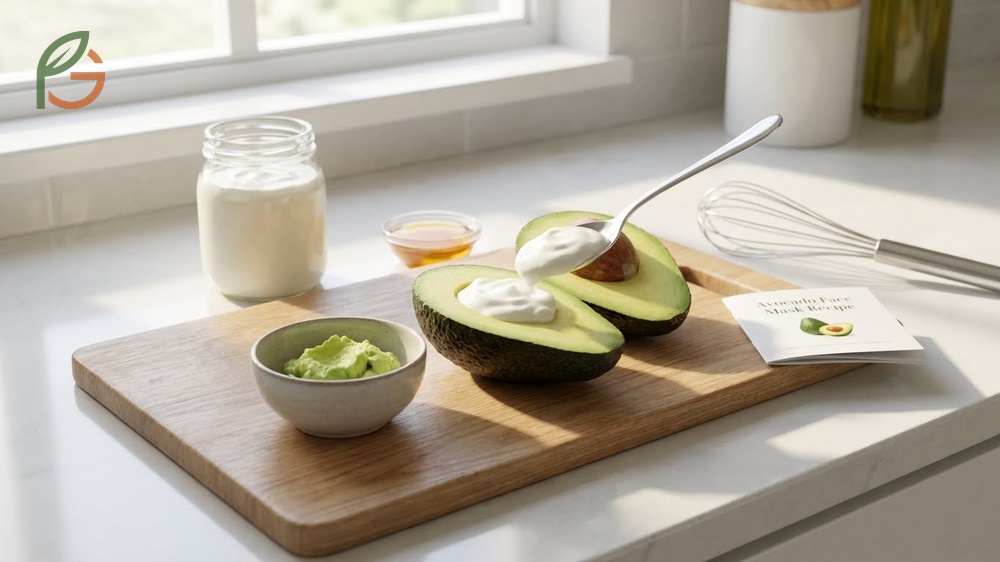
Making an effective avocado face mask doesn’t require expensive ingredients—just fresh avocado and a few kitchen staples. Research-backed formulations combine avocado with ingredients that enhance penetration or target specific skin concerns. The basic recipe below works for most skin types and takes less than 5 minutes to prepare.
Basic Hydrating Avocado Mask Ingredients:
- ½ ripe avocado (look for slight softness when gently squeezed)
- 2 teaspoons plain Greek yogurt (provides lactic acid for gentle exfoliation)
- 1 teaspoon raw honey (antimicrobial properties support acne healing)
- Optional: 3-4 drops vitamin E oil (boosts antioxidant content)
- Optional: 1 teaspoon finely ground oatmeal (for sensitive or irritated skin)
Preparation Steps: Scoop the avocado flesh into a clean bowl and mash thoroughly with a fork until no lumps remain—lumpy masks won’t spread evenly. Add yogurt and honey, then mix until you achieve a smooth paste consistency. If the mixture is too thick, add a few drops of water. If it’s too runny, add more mashed avocado.
Application Method: Start with clean skin—wash your face with a gentle cleanser to remove makeup, sunscreen, and surface oils. Pat dry but leave skin slightly damp. Using clean fingers or a soft brush, apply the mask in an upward motion, avoiding the delicate eye area where skin is thinner. Cover your entire face, including your neck if you have extra mask. Leave on for 15-20 minutes—you’ll feel it start to dry and tighten slightly.
Removal Process: Rinse with lukewarm water using gentle circular motions to remove the mask while providing light mechanical exfoliation. Follow with a splash of cool water to close pores. Pat your face dry with a clean towel—don’t rub, which can irritate freshly treated skin. Apply your regular moisturizer within 3 minutes while your skin is still slightly damp to lock in the benefits.
Safety Warning: Always patch test new face masks on your inner wrist before applying to your face. Wait 24 hours to check for allergic reactions. If you have a latex allergy, you might react to avocado proteins—discontinue use if you experience itching, redness, or swelling. Use fresh ingredients and discard any leftover mask rather than storing it.
Targeted Variations: For acne-prone skin, add ½ teaspoon lemon juice for its natural astringent properties. For mature skin seeking anti-aging benefits, mix in 1 teaspoon coconut oil and ½ teaspoon aloe vera gel[4]. For extremely dry skin, replace yogurt with full-fat sour cream for extra richness.
Frequency Recommendations: Use avocado masks 1-2 times per week for normal to dry skin. If you have oily or acne-prone skin, start with once weekly and observe how your skin responds. Overuse can lead to clogged pores in some people, despite avocado’s antimicrobial properties. Most dermatologists recommend alternating between different mask types rather than using the same one every application.
Avocado for Acne
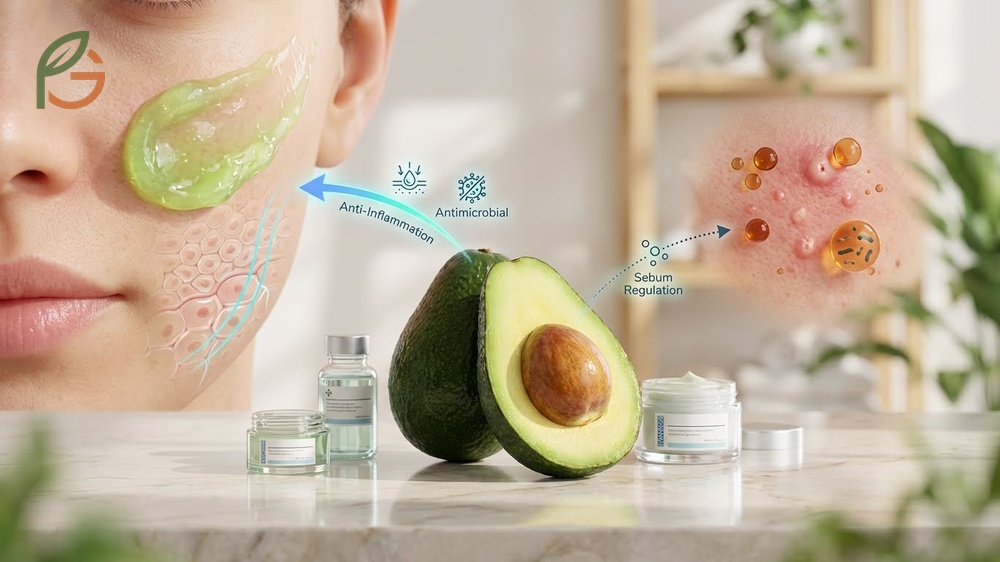
The relationship between avocado and acne is more nuanced than you’d expect. While avocado’s antimicrobial properties help cleanse pores[4], some people worry that its high fat content might worsen breakouts. Current evidence suggests that avocado’s fatty acid profile actually reduces inflammation—a key driver of acne severity.
Acne develops when excess sebum production combines with dead skin cells and bacteria, creating clogged pores. Topical avocado works on multiple aspects of this process. The natural oils help dissolve and remove existing blockages without stripping your skin’s protective barrier. Glutamine and amino acids gently exfoliate to prevent future buildup. Anti-inflammatory compounds reduce the redness and swelling that make acne more noticeable.
For eating avocados with acne-prone skin, research shows that monounsaturated fats don’t increase sebum production like saturated fats can. The anti-inflammatory effects from regular avocado consumption might actually improve acne by reducing systemic inflammation. Start with half an avocado 3-4 times per week and monitor your skin’s response over a month before increasing frequency.
This table compares different methods of using avocado for acne treatment, showing application type, frequency, primary benefits, and best-suited skin types
| Method | Frequency | Primary Benefit | Best For |
|---|---|---|---|
| Dietary consumption | 3-4 times weekly | Reduces systemic inflammation | Mild to moderate acne |
| Basic avocado mask | Once weekly | Deep pore cleansing | Comedonal acne (blackheads/whiteheads) |
| Avocado + lemon mask | 1-2 times weekly | Astringent and antimicrobial | Oily, acne-prone skin |
| Avocado + honey mask | 2 times weekly | Healing and soothing | Inflamed, painful acne |
| Pure avocado oil spot treatment | As needed | Reduces individual lesion inflammation | Cystic or nodular acne |
One thing that’s often misunderstood: avocado won’t cure severe cystic acne on its own. If you’re dealing with persistent breakouts, you’ll need a comprehensive approach that might include prescription treatments. Think of avocado as a supportive therapy that enhances your skin’s natural healing processes rather than a standalone cure.
Conclusion
The evidence is clear: avocado benefits for skin extend from measurable improvements in elasticity and firmness when eaten regularly to targeted hydration and healing when applied topically. Research demonstrates that consistent daily consumption for 8 weeks delivers clinically significant results[1], while homemade face masks provide immediate relief for dry or inflamed skin.
Current guidance emphasizes treating skin health from the inside out—what you eat matters as much as what you apply topically. By incorporating half to one whole avocado into your daily diet and using targeted face masks 1-2 times weekly, you’re giving your skin the nutrients it needs to maintain elasticity, fight oxidative damage, and stay hydrated. FruitGarden continues tracking the latest research on how nutrient-dense fruits like avocados support both garden health and personal wellness.
Frequently Asked Questions
How long does it take to see results from eating avocados for skin?
Clinical research shows noticeable improvements in skin elasticity and firmness after 8 weeks of daily avocado consumption[1]. You might notice subtle changes in skin hydration within 3-4 weeks, but structural improvements to collagen and elastin require consistent intake over 2+ months. Don’t expect overnight transformations—skin cell turnover takes 28-42 days depending on your age.
Can I use avocado on my face every day?
Most dermatologists recommend using avocado face masks 1-2 times per week rather than daily. While avocado isn’t harsh, overuse can lead to pore congestion in some people—particularly those with very oily skin. If you want daily avocado benefits, focus on eating it instead, which provides systemic skin support without the risk of clogged pores from topical application.
What’s better for skin—eating avocados or using them as face masks?
Both methods offer distinct benefits that complement each other. Eating avocados provides long-term structural improvements to skin elasticity and firmness[1], while topical application delivers immediate hydration and targeted treatment for dry patches or inflammation[4]. For optimal results, combine both approaches—eat half an avocado daily and apply masks twice weekly.
Does avocado oil work as well as fresh avocado for skin?
Avocado oil contains concentrated fatty acids that penetrate skin layers effectively[3], making it excellent for hydration. However, fresh mashed avocado provides additional benefits from vitamins, enzymes, and compounds that don’t survive oil extraction. Use pure avocado oil as a lightweight moisturizer for daily use, and reserve fresh avocado masks for more intensive weekly treatments.
Can avocado help with wrinkles and fine lines?
Research demonstrates that avocado consumption improves skin firmness, which can reduce the appearance of fine lines[1]. The vitamin C and E content supports collagen production and protects against oxidative damage that causes wrinkles[2]. While avocado won’t eliminate deep wrinkles, consistent use can slow their formation and improve overall skin texture over several months.
Is avocado safe for sensitive or eczema-prone skin?
Avocado’s anti-inflammatory properties and lipid composition generally make it suitable for sensitive skin. The fatty acid profile closely matches your skin’s natural oils, reducing irritation risk. However, people with latex allergies might cross-react to avocado proteins—always patch test first. For eczema, avocado masks can provide soothing relief, but they don’t replace medically prescribed treatments for severe cases.
How much vitamin E does avocado provide compared to supplements?
Half an avocado contains 1.34mg of vitamin E (alpha-tocopherol)[2], which is about 9% of the recommended daily intake. While this is lower than high-dose supplements, research suggests that vitamin E from whole foods is better absorbed and works synergistically with other nutrients like vitamin C. The combination in avocados provides more comprehensive skin benefits than isolated vitamin E supplements.





