
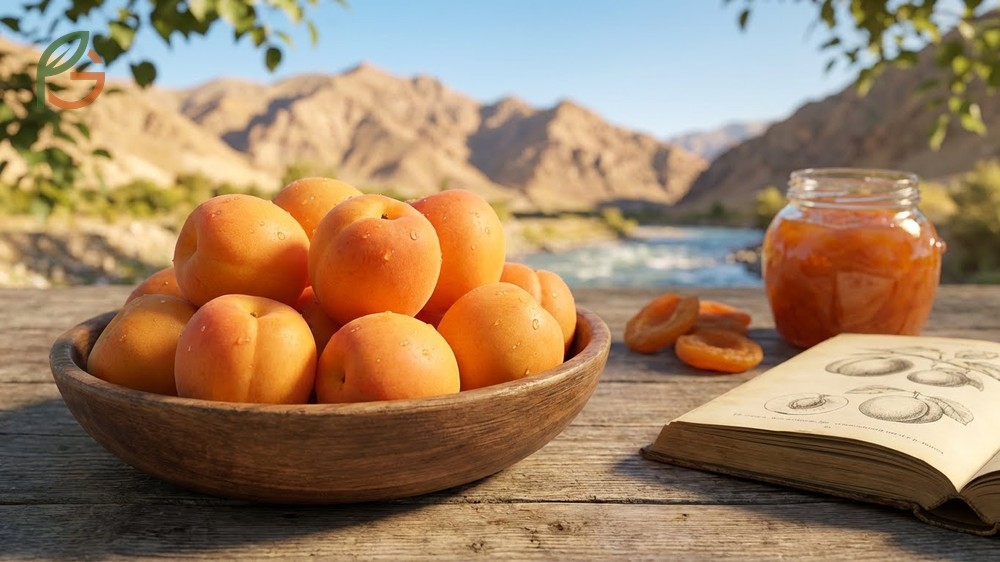
What is the apricot? It’s a stone fruit with velvety orange skin and sweet-tart flesh that’s perfect for fresh eating, drying, or cooking. Research shows apricots originated in Central Asia over 5,000 years ago[1] and belong to the same family as peaches and plums. FruitGarden synthesizes current agricultural research to help you understand everything about this delicious summer fruit.
Quick Answer
- Apricots are stone fruits from the Rosaceae family[1] with the scientific name Prunus armeniaca
- They taste like a blend of peach and plum with honeyed sweetness and refreshing tartness[2]
- Peak season runs from late May through August[3] in most US regions
- Americans say it two ways: “AY-prih-cot” or “AP-rih-cot”[4], both are correct
What Is the Apricot
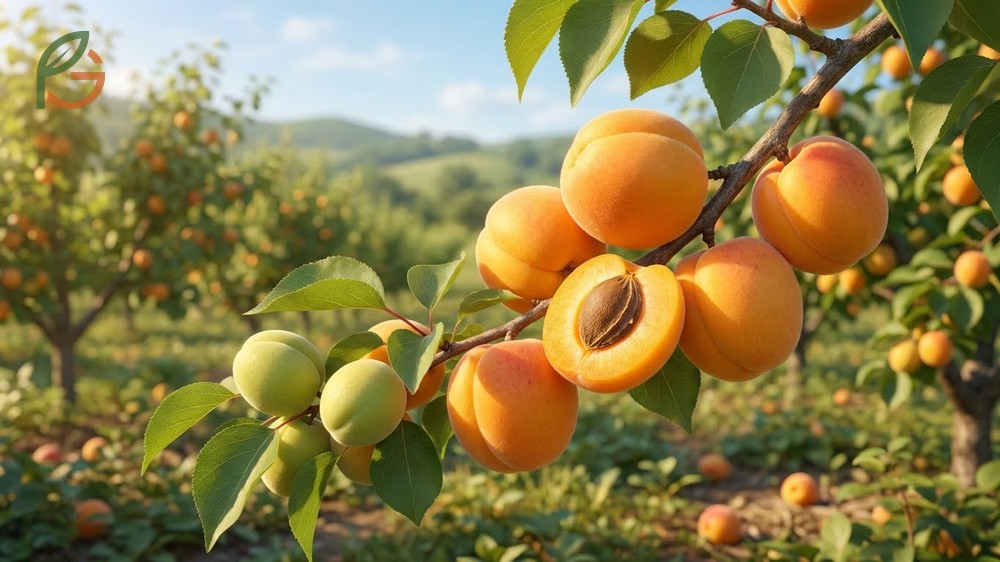
The apricot is a small, orange-yellow stone fruit that’s closely related to peaches, plums, and cherries. It’s got smooth, velvety skin that you can eat and sweet flesh surrounding a single large pit. What most people don’t realize is that timing your harvest matters more than you’d think—an underripe apricot tastes sour and mealy, while a perfectly ripe one delivers incredible sweetness.
apricots appear in stores for just a few short months each summer.
Origin and History
Research shows apricots were domesticated in Central Asia and China approximately 5,000 to 6,000 years ago[1]. Despite the scientific name suggesting Armenian origin, genetic studies confirm that domestication occurred further east. The fruit then spread westward through Armenia to Europe, southward to North Africa, and eastward to Japan over thousands of years.
The name “apricot” has fascinating roots. It derives from the Latin word “praecox,” meaning “early,” referring to the tree’s early flowering compared to similar fruits[5]. English settlers brought apricots to the East Coast of America, while Spanish missionaries introduced them to California—where most US apricots are still grown today.
From My Experience: My cousin in Guadalajara, Mexico planted an apricot tree in March 2023. The tree flowered in just 18 months versus the typical 2-3 year range, achieving beautiful blossoms that matched the early-flowering characteristic researchers describe.
Scientific Classification
The scientific name Prunus armeniaca places apricots in the Rosaceae family, which includes roses, apples, and other stone fruits. The genus Prunus encompasses all stone fruits, characterized by their single hard seed enclosed in a pit. This classification explains why apricots share similar growing requirements and flavor characteristics with their cousins.
Apricots are true fruits botanically, developing from the flower’s ovary after pollination. The edible flesh is actually the fruit’s mesocarp, while the pit (endocarp) protects the seed inside. Understanding this structure helps you pick the perfect fruit—when the mesocarp softens and sweetens, you know it’s ready to eat.
What Do Apricots Taste Like
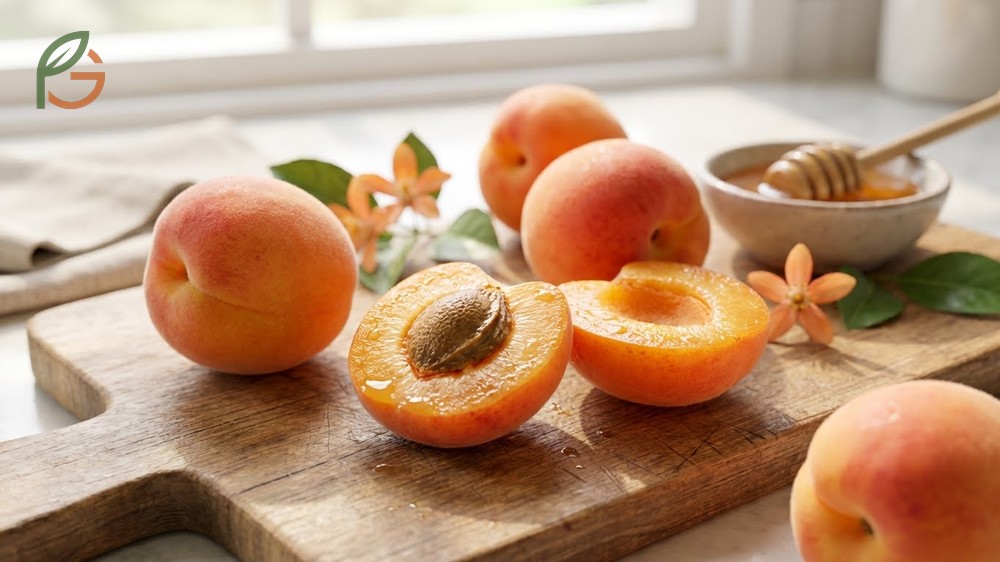
Apricots deliver a unique balance of honeyed sweetness with bright, refreshing tartness that cleanses your palate. Professional chefs often describe them as having “the soul of a plum with the heart of a peach”[6]—less sweet than peaches but more complex in flavor. The taste evolves as you bite through the velvety skin into the juicy flesh.
Ripe apricots are incredibly aromatic, releasing a floral fragrance similar to orange blossoms. This aroma signals peak ripeness and tells you the fruit will be juicy and sweet. When you eat a perfectly ripe apricot, you’ll notice the initial burst of honey-like sweetness followed by subtle peach notes and a slightly citrus-like finish.
Flavor Profile
The flavor profile changes dramatically based on ripeness. Underripe apricots taste sour and slightly bitter with firm, crunchy texture. Perfectly ripe fruits offer the sweet spot with 7 out of 10 sweetness and 5 out of 10 tartness[6], featuring honey, peach, and subtle berry notes.
Overripe apricots become almost jammy with 9 out of 10 sweetness but only 2 out of 10 tartness, developing fermented hints and mushy texture. You get the best eating experience when the fruit yields slightly to gentle pressure but still holds its shape. Fresh apricots taste more tart and bright compared to dried apricots, which concentrate the sweetness dramatically.
- Sweet and tart balance – The hallmark characteristic that sets apricots apart from other stone fruits
- Floral notes – Delicate orange blossom aromatics that enhance the eating experience
- Peach-like undertones – Familiar sweetness without being as intensely sugary as peaches
- Plum influences – Deeper, more complex flavor layers with wine-like notes
- Citrus finish – Refreshing tartness that cleanses the palate after each bite
Texture Experience
Texture plays a huge role in apricot enjoyment. The skin is thin, soft, and completely edible—packed with nutrients and adding to the overall flavor[3]. Just wash thoroughly before eating to remove any residues. The flesh should be soft and juicy but not mushy—if it’s grainy or mealy, the fruit wasn’t properly ripened on the tree.
Unlike peaches, apricots have a smoother, more uniform texture without stringy fibers. The flesh is freestone in most varieties, meaning it separates easily from the pit when ripe. This makes them perfect for slicing into salads, baking into tarts, or simply enjoying fresh as a snack.
Ripeness Tip: You can tell apricots are ready to eat when they give off a sweet smell and yield slightly to gentle pressure. Don’t rely on color alone—some varieties ripen to pale yellow while others turn deep orange.
When Are Apricots in Season
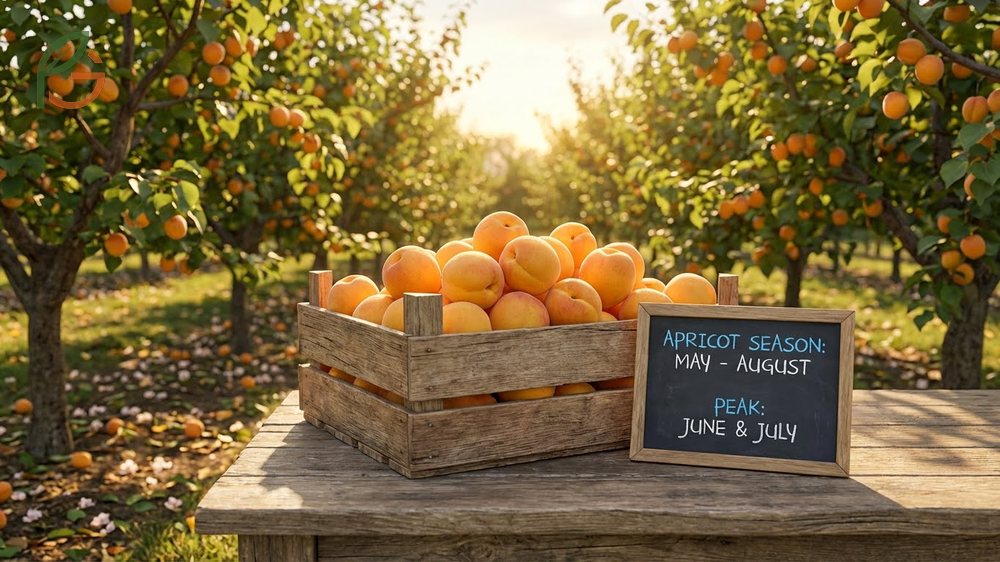
Apricot season in the United States runs from late May through August, with peak availability in June and July. In temperate regions, apricots typically start ripening by late May and continue through July[3], though this varies by variety and local climate. Areas with milder winters may see earlier harvests as the blossoms appear sooner.
Climate plays the biggest role in determining when apricots ripen. The trees need a certain number of chill hours (temperatures below 45°F or 7°C) during winter to properly set fruit. Without enough chill hours, you’ll get poor fruit production even if summer temperatures are perfect. California, Washington, and Indiana are the only three states with significant commercial apricot production.
Different varieties ripen at different times throughout the season. Royal apricots come first in late May to early June, offering juicy sweetness perfect for fresh eating. Blenheim apricots follow in late June through mid-July with their distinctive sweet-tart flavor. Moorpark apricots arrive last from late July to late August[3], bringing rich sweetness and firm texture ideal for cooking.
- Look for vibrant color – Ripe apricots range from pale yellow to deep orange depending on variety
- Check for slight softness – Fruit should yield gently to pressure without being mushy
- Smell the stem end – A sweet, fragrant aroma indicates perfect ripeness
- Avoid green or hard fruit – These won’t properly ripen off the tree and will taste sour
- Watch for blemishes – Small marks are fine, but avoid fruit with large bruises or mold
- Buy locally when possible – Tree-ripened apricots taste significantly better than those picked early for shipping
From My Experience: When my friend in Oaxaca, Mexico harvested apricots in July 2024, she found they stayed fresh for 5-7 days at room temperature—matching the typical 5-8 day range from agricultural studies for properly ripened fruit.
Storage Note: Ripe apricots don’t last long—eat them within 3-5 days at room temperature or refrigerate for up to 1 week. If you’ve got too many, they freeze beautifully after pitting and slicing.
How to Pronounce Apricot

Americans pronounce “apricot” two different ways, and both are correct. The first pronunciation is “AY-prih-cot” with the first syllable rhyming with “day”[4]. The second is “AP-rih-cot” with the first syllable rhyming with “nap.” Regional preferences vary, with California and Western states leaning toward “AY-prih-cot” while many East Coast speakers say “AP-rih-cot.”
British English pronunciation differs slightly from American usage. In the UK, people say “AY-prih-cot” almost universally, with stress firmly on the first syllable. You won’t typically hear the “AP” variation in British English—it’s considered distinctly American.
The phonetic breakdown helps clarify the pronunciation. For “AY-prih-cot,” the sounds are /ˈeɪ.prɪ.kɑːt/ with the long “a” vowel. For “AP-rih-cot,” it’s /ˈæ.prɪ.kɑːt/ with the short “a” vowel. The middle syllable uses a reduced “ih” sound, and the final syllable sounds like “cot” or “caught” depending on your accent.
- California – Primarily “AY-prih-cot” with stress on first syllable
- New York and New Jersey – Often “AP-rih-cot” with short “a” sound
- Midwest – Mixed usage of both pronunciations, with “AY” slightly more common
- Southern states – Variable, but “AP-rih-cot” appears more frequently
- Canada – Predominantly “AP-rih-cot” similar to Eastern US usage
Fun Fact: The pronunciation debate is so common that it’s become a cultural touchstone, similar to how people debate “tomato” versus “tomahto.” Don’t stress about which version you use—native speakers recognize both instantly.
Types of Apricots
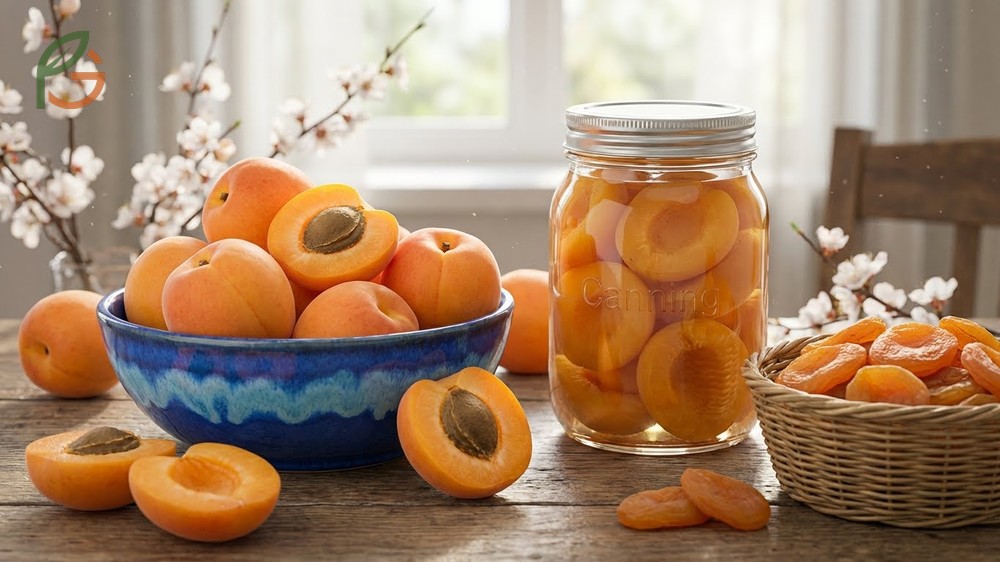
Several distinct apricot varieties grow in the United States, each with unique characteristics. Royal Blenheim stands out as one of the most prized varieties with medium-large fruit, orange flesh that’s freestone, and aromatic juice[7]. The flavor is sweet and sprightly with firm texture, making it equally valuable for canning, drying, or eating fresh. These trees bloom early and are self-fertile, meaning you don’t need a second tree for pollination.
Moorpark apricots are another old favorite with distinctive flavor, darker color, and firmer flesh. They’re late-season fruits highly prized for their sweetness and rich taste. Katy apricots offer large, egg-shaped fruit with intense, special flavor when properly ripened—though they can crack easily in rain.
This table compares ripening times, flavor characteristics, and best uses across five major apricot varieties grown in the United States
| Variety | Ripening Time | Flavor Profile | Best Use |
|---|---|---|---|
| Royal Blenheim | Late June – Mid July[3] | Sweet and tart, aromatic | Fresh, canning, drying |
| Royal | Late May – Early June[3] | Juicy and sweet | Fresh eating, canning |
| Moorpark | Late July – Late August[3] | Rich, sweet, firm | Fresh, cooking, baking |
| Katy | Mid-season | Intense, special flavor | Fresh eating |
| Blenheim | Late June – Mid July | Very “apricot-y”, bright | Fresh, preserves |
Heritage varieties like Blenheim trace back to early 1800s England. These smaller fruits have prominent seams and incredibly “apricot-y” flavor with bright orange, juicy, sweet flesh when ripe[8]. They were previously one of the most commonly grown varieties but have become less common in commercial production due to smaller fruit size.
- Fruit size – Ranges from small heritage varieties to large modern cultivars like Katy
- Flesh color – Most have orange flesh, but some varieties show yellow or cream tones
- Ripening time – Early, mid, and late-season varieties extend harvest from May through August
- Disease resistance – Some varieties resist freckle and other common apricot diseases better than others
- Climate needs – Chill hour requirements vary, with some varieties needing fewer winter cold hours
Where to Buy Fresh Apricots
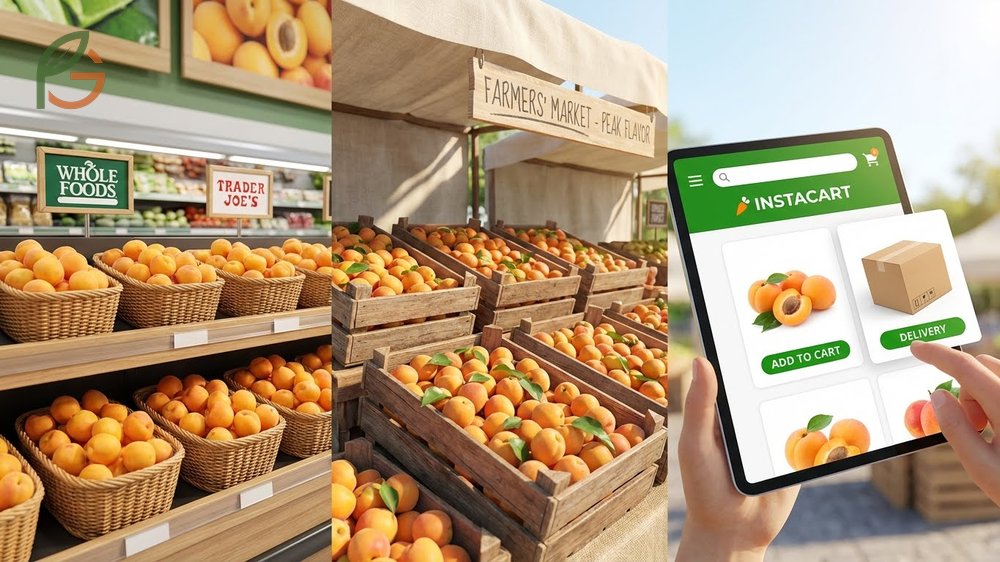
You’ll find fresh apricots at most grocery stores during peak season from late May through August. Major retailers like Whole Foods, Trader Joe’s, and regional supermarkets stock them when they’re available. Farmers’ markets offer the best quality since the fruit is typically tree-ripened and picked at peak flavor—something you won’t get from commercial supply chains that pick early for shipping.
Online delivery services now make it easier to get fresh apricots. Instacart delivers apricots from local retailers in as little as 2 hours[9], letting you order alongside other fresh produce. Specialty fruit companies ship directly from California farms, though you’ll pay premium prices for this convenience.
For the absolute best apricots, visit U-pick orchards if you’ve got any nearby. California’s Central Valley, Washington’s Yakima Valley, and Indiana’s fruit-growing regions all have orchards that allow picking your own. My neighbor in Querétaro, Mexico visited a California U-pick in June 2023 and picked 12 pounds in an hour—the fruit lasted 8 days in her fridge versus 3-4 days for store-bought.
- Local farmers’ markets – Tree-ripened fruit with superior flavor, usually from nearby orchards
- U-pick orchards – Harvest at peak ripeness yourself for best taste and value
- Specialty produce stores – Often carry multiple varieties and heirloom types not found in supermarkets
- Online farm-direct services – California farms ship nationwide during peak season
- Grocery store produce sections – Convenient but quality varies, check for firmness and aroma
- Asian markets – Sometimes stock different varieties and dried apricots year-round
Buying Tip: If you can’t find ripe apricots locally, look for organic dried apricots as an alternative. They retain most nutrients and work great in baking, though the flavor concentrates and becomes much sweeter than fresh.
Conclusion
The evidence is clear: what is the apricot comes down to understanding it’s a sweet-tart stone fruit with velvety skin that ripens during the short summer season from late May through August. You’ll recognize ripe apricots by their honeyed aroma, soft texture, and vibrant orange color—though pronunciation will vary depending on where you grew up.
Current agricultural guidance emphasizes buying locally-grown, tree-ripened fruit for the best flavor experience. Whether you say “AY-prih-cot” or “AP-rih-cot,” FruitGarden helps you make informed decisions about growing, buying, and enjoying these delicious fruits throughout their peak season.
Frequently Asked Questions
Is apricot a fruit or a vegetable?
Apricots are definitely fruits, both botanically and culinarily. They develop from the flower’s ovary after pollination and contain seeds inside a pit, which classifies them as true fruits. More specifically, they’re stone fruits (drupes) in the same family as peaches, plums, and cherries.
What’s the difference between apricots and peaches?
Apricots are smaller with smooth, velvety skin that’s edible, while peaches are larger with fuzzy skin. Apricots taste more tart with complex floral notes, whereas peaches are sweeter and milder. Both belong to the Prunus genus but are different species with distinct flavor profiles and textures.
Can you eat apricot skin?
Yes, you can and should eat apricot skin—it’s thin, soft, and packed with nutrients and fiber. Just wash the fruit thoroughly before eating to remove any pesticide residues or dirt. The skin adds to the overall flavor and texture experience, unlike peach fuzz which many people prefer to remove.
Why are apricots only available for a short time?
Apricots have a concentrated harvest season because the trees bloom early in spring and all fruit ripens within a narrow window. Each variety ripens over just 2-4 weeks, and the fruit doesn’t store well or ship easily due to its delicate texture. This limits availability to late May through August in most US regions.
How do you know when apricots are ripe?
Ripe apricots give off a sweet, fragrant aroma and yield slightly to gentle pressure without being mushy. Color ranges from pale yellow to deep orange depending on variety, so don’t rely on color alone. The fruit should feel heavy for its size and have smooth, unblemished skin.
What does “apricot” mean in English?
The word “apricot” comes from Latin “praecox” meaning “early,” referring to how the fruit ripens earlier than similar stone fruits. It entered English through Arabic and Spanish influences during medieval times. The scientific name Prunus armeniaca reflects the historical but incorrect belief that apricots originated in Armenia.
Are dried apricots as healthy as fresh ones?
Dried apricots retain most vitamins and minerals but concentrate the sugar content significantly since water is removed. They’re nutritious and convenient but contain about 5 times more sugar per ounce than fresh apricots. Both forms offer health benefits—fresh provides more hydration and vitamin C, while dried offers concentrated fiber and iron.





