
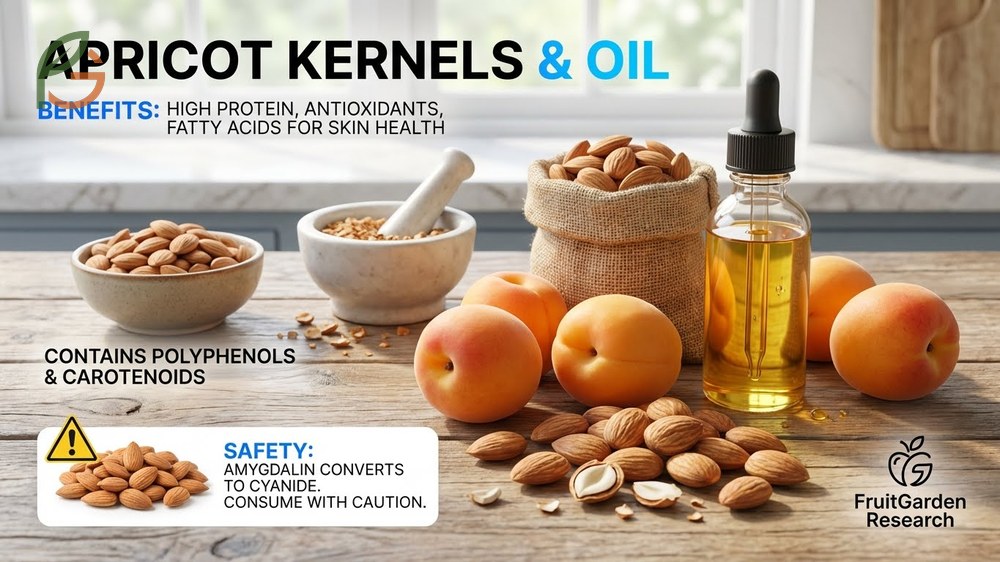
Benefits of apricot kernels include high protein content, antioxidant properties, and valuable fatty acids for skin health. Research shows apricot kernels contain 14.6-27.1% protein[1] and beneficial compounds like polyphenols and carotenoids. However, safety concerns exist due to amygdalin content, which converts to cyanide when consumed. FruitGarden synthesizes current agricultural research and toxicology data to help you understand both the nutritional value and critical safety guidelines for apricot kernel consumption.
Quick Answer
- Apricot kernels provide 14.6-27.1% protein[1] and antioxidants that support cardiovascular and digestive health
- Adults can safely consume no more than 2-3 small kernels daily[2] due to cyanide risk
- Apricot kernel oil contains oleic and linoleic acids that moisturize skin and reduce inflammation
- Bitter kernels contain 2-4% amygdalin versus 0.11% in sweet varieties, making sweet kernels safer for consumption
- Claims about cancer treatment aren’t supported by evidence and pose serious health risks
Benefits of Apricot Kernels
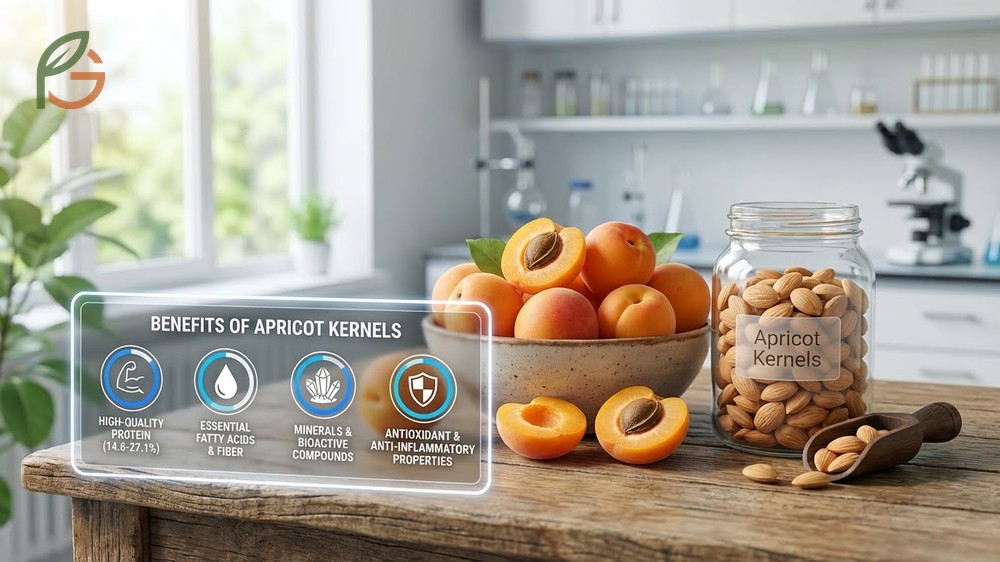
Studies demonstrate that apricot kernels offer significant nutritional value as a by-product of apricot fruit processing. These kernels contain high-quality proteins, essential fatty acids, dietary fiber, minerals, and bioactive compounds[1]. The protein content ranges from 14.6-27.1% of total weight, making them the second richest component after fats.
Research indicates apricot kernels provide antioxidant, antimicrobial, and anti-inflammatory properties. The high dietary fiber content supports gut health, cholesterol absorption, and shows anti-obesity potential. Polyphenolic compounds like caffeic acid, gallic acid, and chlorogenic acid contribute to oxidative stress reduction.
Current data shows apricot kernels contain flavonoids including quercetin and catechins that protect skin from UV damage. Anthocyanins present in the kernels help lower the risk of sunburn and wrinkles. The combination of proteins and antioxidants makes these kernels valuable for both culinary and cosmetic applications.
Nutritional Composition
Apricot kernels are nutritionally dense, containing carotenoids, carbohydrates, vitamins, phenols, and volatile compounds. The protein content positions them as a promising plant-based protein source. Essential fatty acids, particularly oleic and linoleic acids, dominate the fat profile.
The kernels provide dietary fiber that aids digestive functioning and metabolic health. Mineral content includes potassium, magnesium, and trace elements essential for bodily functions. These nutritional attributes make apricot kernels candidates for nutraceutical and pharmaceutical product formulation.
Health Properties
Evidence suggests apricot kernels demonstrate cardiovascular benefits through soluble and insoluble fiber content. These dietary fibers effectively lower LDL cholesterol levels[1]. Animal studies show apricot supplementation reduces disease risk by 10-20% compared to control groups.
The antioxidant capacity helps combat chronic diseases including diabetes, stroke, and cardiovascular conditions. Polyphenolic extracts eliminate free radicals and protect dietary antioxidants and vitamins. The anti-inflammatory compounds support skin health, vision enhancement, and digestive system maintenance.
- Antioxidant properties that neutralize free radicals and reduce oxidative stress
- Cardiovascular support through cholesterol reduction and improved blood lipid profiles
- Digestive health enhancement via dietary fiber and prebiotic effects
- Skin protection from UV damage through anthocyanins and flavonoids
- Metabolic support for blood sugar regulation and weight management
- Anti-inflammatory effects that may help with joint and muscle health
Important Note: While apricot kernels offer nutritional benefits, the amygdalin content poses serious health risks. Always prioritize safety guidelines and consume only recommended amounts to avoid cyanide poisoning.
Apricot Kernel Oil Benefits
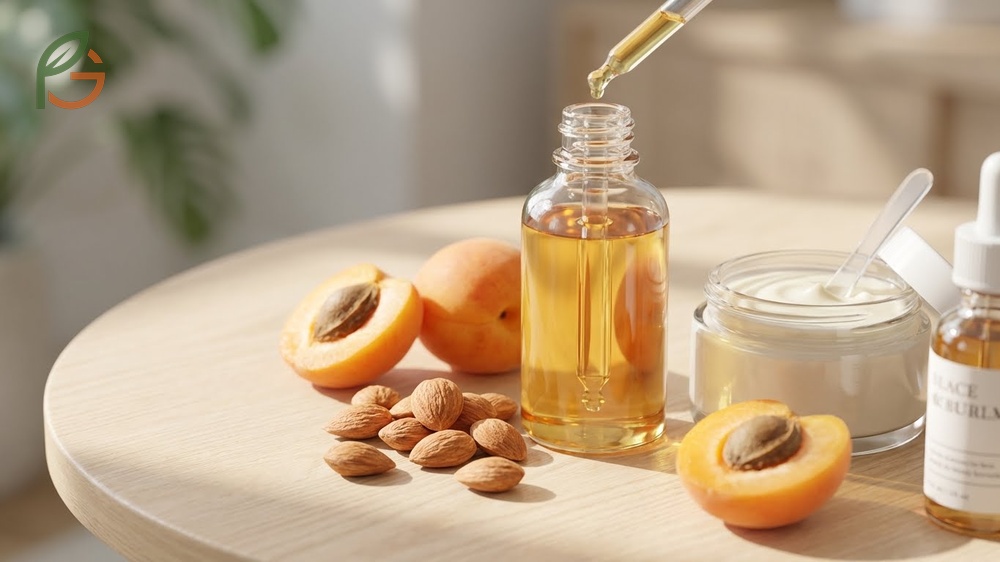
Apricot kernel oil extracted from the seeds provides concentrated benefits for skincare applications. The oil’s lightweight, non-greasy texture allows easy absorption without clogging pores. High levels of oleic and linoleic acids deliver deep hydration while maintaining skin elasticity.
The oil contains gamma-linolenic acid (GLA), a fatty acid with notable anti-inflammatory effects. This makes it effective for managing skin conditions like eczema, psoriasis, and dermatitis. Regular application can reduce redness, itching, and irritation associated with sensitive skin.
For cosmetic formulations, apricot kernel oil serves as a carrier oil that enhances product absorption. It’s commonly found in face masks, creams, lotions, and scrubs. The oil’s emollient properties support minor wound healing and prevent scarring when applied topically.
Skin Moisturization
The emollient properties of apricot kernel oil replenish the skin’s moisture barrier effectively. This prevents transepidermal water loss and maintains hydration throughout the day. Regular use restores suppleness to dry, flaky skin and leaves it soft and revitalized.
Essential fatty acids in the oil nourish skin cells and improve overall skin health. The oil’s anti-aging properties help reduce the appearance of fine lines and wrinkles. It improves skin elasticity and promotes a radiant, youthful complexion through consistent application.
Anti-Inflammatory Effects
The anti-inflammatory compounds in apricot kernel oil make it suitable for sensitive skin types. It alleviates common inflammatory conditions by reducing irritation and promoting skin calmness. The gentle nature of the oil allows for use on even the most reactive skin.
Topical application helps soothe minor burns, cuts, and sunburns while promoting faster healing. The oil’s ability to penetrate skin layers delivers nutrients directly to affected areas. This accelerates tissue repair and minimizes the risk of permanent scarring.
- Facial moisturizer for all skin types, especially dry and mature skin
- Massage oil that absorbs quickly without leaving greasy residue
- Carrier oil for essential oils in aromatherapy and skincare blends
- Treatment for eczema, psoriasis, and dermatitis to reduce inflammation
- Hair conditioner that adds shine and reduces frizz when applied to ends
- Makeup remover that gently dissolves cosmetics while nourishing skin
How to Eat Apricot Kernels

Sweet apricot kernels can be consumed raw, roasted, or added to recipes as a nutrient boost. Start with small amounts—no more than 2-3 kernels per day[2]—to assess tolerance and avoid cyanide exposure. Sweet varieties have a mild, almond-like flavor that works well in both sweet and savory dishes.
Roasting reduces amygdalin content and improves digestibility. Spread kernels on a baking sheet and roast at 350°F (177°C) for 10-15 minutes until lightly golden. This heat treatment makes them safer while preserving most nutritional benefits.
Ground apricot kernels can be added to smoothies, oatmeal, yogurt, or baked goods. The powder blends easily and provides a protein boost without altering flavor significantly. Store kernels in an airtight container in a cool, dry place to maintain freshness for up to 3 months.
- Add 1-2 crushed kernels to morning smoothies with banana and spinach
- Sprinkle roasted kernels on salads for added crunch and nutrition
- Mix ground kernels into energy balls with dates, nuts, and coconut
- Blend into homemade nut butter for an almond butter alternative
- Incorporate into granola recipes with oats, honey, and dried fruit
Safety Tip: Always choose sweet apricot kernels over bitter varieties for consumption. Children should avoid apricot kernels entirely due to their lower body weight and increased cyanide sensitivity.
Apricot Kernels Cyanide Poisoning
Amygdalin, a naturally-occurring compound in apricot kernels, converts to cyanide after ingestion. The FDA warns that high levels of amygdalin in certain products can lead to fatal cyanide toxicity[3]. When the body breaks down amygdalin, it releases hydrogen cyanide, which interferes with cellular oxygen use.
Symptoms of acute cyanide toxicity include difficulty breathing (dyspnea), bluish skin discoloration (cyanosis), weakness, and lightheadedness. More severe poisoning causes nausea, fever, headaches, insomnia, lethargy, nervousness, and joint pain. Blood pressure drops significantly in serious cases, and fatal outcomes have occurred.
Studies indicate 0.5-3.5 milligrams of cyanide per kilogram of body weight could be fatal[2]. The body can metabolize small amounts of cyanide through natural detoxification processes. However, exceeding safe thresholds overwhelms these mechanisms and leads to poisoning.
Bitter apricot kernels pose significantly higher risk than sweet varieties due to elevated amygdalin content. The concentration in bitter kernels is approximately 1,000 times higher than in sweet kernels. This makes bitter varieties unsuitable for regular consumption despite their traditional use in some herbal medicine practices.
- Respiratory distress and difficulty breathing within 15-30 minutes of ingestion
- Bluish discoloration of lips, fingernails, and mucous membranes
- Dizziness, confusion, and loss of consciousness in severe cases
- Nausea, vomiting, and abdominal pain as early warning signs
- Rapid heart rate followed by dangerously low blood pressure
- Headache, nervousness, and muscle weakness throughout the body
Safe Dosage and Side Effects
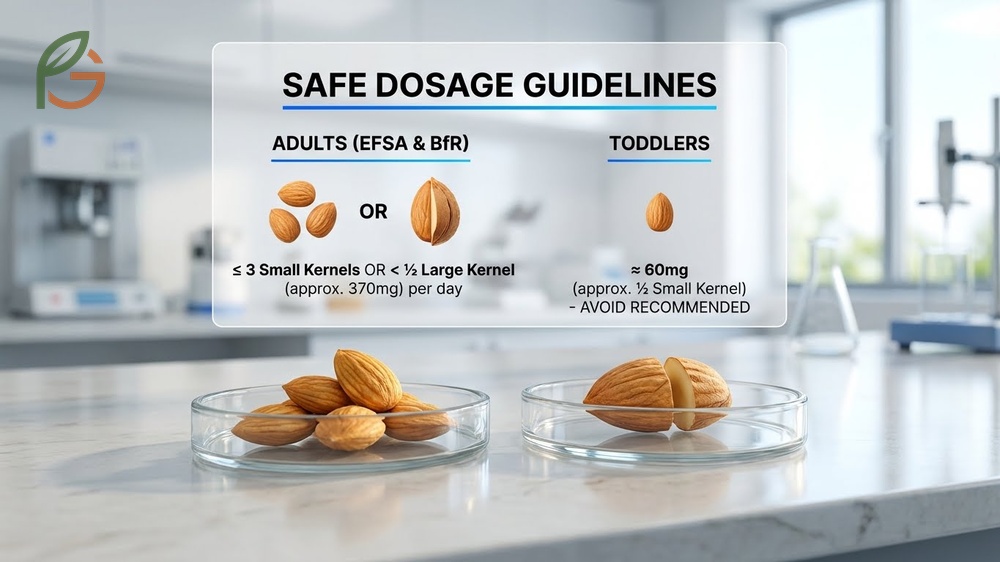
The European Food Safety Authority establishes that adults can consume three small raw apricot kernels (370mg) or less than half of one large kernel without exceeding the acute reference dose[2]. For toddlers, the safe amount is approximately 60mg, which equals about half of one small kernel. Most experts recommend toddlers avoid apricot kernels completely.
German Federal Institute for Risk Assessment suggests adults limit intake to no more than two large bitter apricot kernels per day. This guideline applies specifically to bitter varieties with high amygdalin content. Sweet apricot kernels allow for slightly more flexibility but should still be consumed conservatively.
The safest approach involves choosing sweet kernels over bitter ones and staying well below maximum thresholds. Starting with one kernel per day helps assess individual tolerance. Monitor for any adverse reactions like headache, dizziness, or digestive discomfort before increasing consumption.
This table compares safe daily intake limits for apricot kernels across different age groups and kernel types based on amygdalin content and cyanide risk
| Age Group | Sweet Kernels | Bitter Kernels | Safety Notes |
|---|---|---|---|
| Adults | 3-5 kernels | 2 kernels max[2] | Stay below 370mg total weight |
| Children (5-12 years) | 1-2 kernels | Not recommended | Requires adult supervision |
| Toddlers (1-4 years) | Avoid | Avoid | Risk too high for small body weight |
| Pregnant Women | Avoid | Avoid | Insufficient safety data |
Side effects from excessive consumption include gastrointestinal distress, headaches, and dizziness. These symptoms indicate early cyanide exposure and require immediate discontinuation. Seek medical attention if severe symptoms like breathing difficulty or confusion develop.
- Digestive upset including nausea, vomiting, and stomach cramps
- Headaches and dizziness that worsen with continued consumption
- Allergic reactions in individuals sensitive to stone fruit proteins
- Drug interactions with medications metabolized by liver enzymes
- Pregnancy and breastfeeding risks due to unknown safety profiles
Emergency Warning: If you experience difficulty breathing, bluish skin, or confusion after eating apricot kernels, seek emergency medical care immediately. These symptoms indicate cyanide poisoning requiring urgent treatment.
Bitter vs Sweet Apricot Kernels
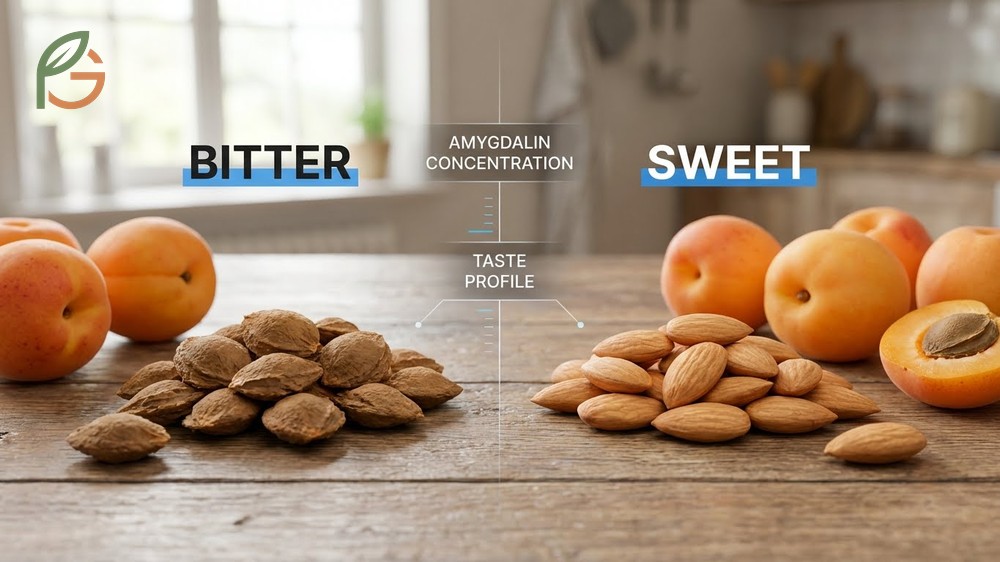
The primary difference between bitter and sweet apricot kernels lies in their amygdalin concentration. Bitter kernels contain 2-4% amygdalin with hydrocyanic acid content of 0.17%, while sweet kernels have only 0.11% amygdalin and 0.0067% hydrocyanic acid. This thousand-fold difference in amygdalin content determines both taste and safety profile.
Bitter apricot kernels taste sharp and unpleasant due to high amygdalin levels. Sweet kernels have a mild, almond-like flavor that makes them suitable for culinary use. The taste test provides an immediate way to distinguish between varieties—bitter kernels are unmistakably harsh on the palate.
Traditional Chinese medicine uses bitter kernels for their pharmacological effects, including cough suppression and asthma relief. The amygdalin produces benzaldehyde during decomposition, which has anti-inflammatory and analgesic properties. However, these medicinal applications carry significant toxicity risks that outweigh potential benefits for most consumers.
Sweet apricot kernels result from long-term breeding and domestication that reduced amygdalin content. This selective cultivation makes them safer for food applications. They’re commonly used as almond substitutes in baking, nut butters, and snack foods without the harsh bitter taste.
| Characteristic | Bitter Kernels | Sweet Kernels |
|---|---|---|
| Amygdalin Content | 2-4% | 0.11% |
| Taste Profile | Sharp, bitter, unpleasant | Mild, almond-like, pleasant |
| Primary Use | Traditional medicine (risky) | Culinary applications |
| Safety Level | High risk (2 kernels max) | Lower risk (3-5 kernels) |
- Taste a tiny amount—bitter kernels have an immediately harsh, unpleasant flavor
- Check product labels for “sweet” designation and amygdalin content disclosure
- Purchase from reputable suppliers who specify kernel variety and safety testing
- Avoid wild-harvested kernels where variety identification is uncertain
- Choose roasted sweet kernels for maximum safety with preserved nutrition
Conclusion
The evidence is clear: benefits of apricot kernels include valuable proteins, antioxidants, and fatty acids that support health and skincare applications. However, these benefits must be balanced against serious cyanide poisoning risks from amygdalin content. Adults can safely enjoy 2-3 sweet apricot kernels daily while staying well below toxicity thresholds established by EFSA and FDA guidelines.
Current guidance emphasizes choosing sweet over bitter varieties, roasting kernels before consumption, and never exceeding recommended dosages. Apricot kernel oil provides skin benefits without ingestion risks, making it the safest way to access the nutritional compounds. For questions about incorporating these kernels into your diet, FruitGarden offers evidence-based resources that prioritize both nutrition and safety for fruit enthusiasts across the United States.
Medical Disclaimer
Important Medical Disclaimer: This content is for informational and educational purposes only. It is not intended as a substitute for professional medical advice, diagnosis, or treatment. Always consult a qualified healthcare professional before consuming apricot kernels or making any changes to your diet, especially if you have existing health conditions, are pregnant, breastfeeding, or taking medications. The cyanide content in apricot kernels poses serious health risks, and individual tolerance varies significantly.
Frequently Asked Questions
What Are Apricot Seeds Good For?
Apricot seeds provide high-quality protein, essential fatty acids, and antioxidants that support cardiovascular health and digestive function. The kernels contain polyphenolic compounds that help reduce oxidative stress and inflammation. However, their amygdalin content requires strict dosage limits to avoid cyanide poisoning.
Are Apricot Pits Safe to Eat?
Apricot pits can be safe when consumed in very small quantities—no more than 2-3 sweet kernels daily for adults. Children and pregnant women should avoid them entirely. The amygdalin in apricot pits converts to cyanide in the body, making excessive consumption potentially fatal.
Do Apricot Kernels Really Fight Cancer?
No credible scientific evidence supports claims that apricot kernels fight cancer. Dana-Farber Cancer Institute confirms that neither amygdalin nor its synthetic form laetrile has proved safe or effective as cancer treatment[4]. The so-called “vitamin B17” is not actually a vitamin and poses cyanide poisoning risks.
How Many Apricot Kernels Can I Eat Per Day?
Adults can safely consume 2-3 small sweet apricot kernels daily without exceeding cyanide exposure limits. For bitter kernels, limit intake to just 2 kernels maximum per day. Children should avoid apricot kernels entirely, and toddlers face serious risk even from small amounts.
What Are the Benefits of Apricot Kernel Oil for Skin?
Apricot kernel oil moisturizes skin deeply without clogging pores, thanks to oleic and linoleic acids. It reduces inflammation in conditions like eczema and psoriasis, improves skin elasticity, and diminishes fine lines. The oil’s antioxidants protect against UV damage and promote faster healing of minor wounds.
Should I Choose Raw or Roasted Apricot Kernels?
Roasted apricot kernels are safer than raw because heat treatment reduces amygdalin content. Roasting at 350°F (177°C) for 10-15 minutes preserves most nutritional benefits while lowering cyanide risk. Always choose sweet varieties over bitter regardless of processing method.
What Is Amygdalin and Why Is It Dangerous?
Amygdalin is a naturally-occurring compound in apricot kernels that breaks down into hydrogen cyanide when digested. Cyanide interferes with cells’ ability to use oxygen, causing symptoms from nausea and headaches to respiratory failure. The FDA warns that products with high amygdalin levels can cause fatal cyanide toxicity[3].





