
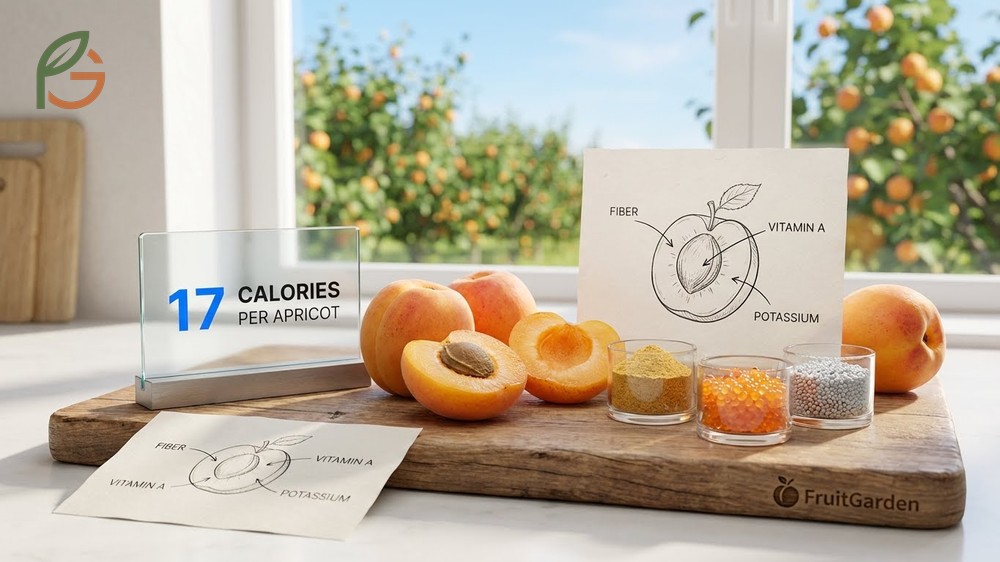
One fresh apricot contains 17 calories[1], making it a low-calorie fruit choice for weight management and healthy snacking. Research shows apricots provide essential nutrients including fiber, vitamin A, and potassium without adding significant calories to your diet[2]. FruitGarden synthesizes current nutritional research to help you understand how apricots fit into your daily calorie goals and fruit-growing plans.
Quick Answer
Calories in an Apricot

A single fresh apricot weighing 35 grams delivers 17 calories[1], placing it among the lowest-calorie stone fruits available. This calorie count makes apricots an excellent choice for people monitoring their daily energy intake. The fruit’s naturally sweet taste comes from approximately 3 grams of sugar[2], which contributes to the overall calorie content.
Studies demonstrate that apricots provide significant nutritional value relative to their minimal calorie contribution. Most people can eat 3-4 apricots as a snack without exceeding 70 calories total. The fruit’s fiber content helps create feelings of fullness that last longer than the calorie count would suggest.
Current data indicates that apricots contain virtually no fat (0.1g per fruit)[2], meaning nearly all calories come from carbohydrates. This macronutrient profile makes apricots ideal for low-fat diets. The negligible sodium content of 0.4mg per apricot[2] also supports heart-healthy eating patterns.
Single Apricot Calorie Count
Research shows that apricot calorie counts remain consistent across most fresh varieties. A medium apricot measuring approximately 1.5 inches in diameter consistently contains 17 calories[1]. Smaller apricots may contain 12-15 calories, while larger specimens can reach 20-22 calories.
Agricultural data shows that apricot size variations depend on growing conditions, variety, and harvest timing. California-grown apricots, which represent the majority of U.S. production, typically fall within the standard 35-gram range. What matters most for calorie tracking is weighing your fruit or using standard portion guidelines.
Calorie Comparison by Weight
Evidence suggests that tracking apricots by weight provides more accurate calorie counts than counting individual fruits. Per 100 grams, fresh apricots contain approximately 48 calories[3]. This translates to roughly 0.48 calories per gram, making portion calculations straightforward.
For meal planning purposes, one cup of sliced apricots (165 grams) provides about 79 calories. Half a cup delivers approximately 40 calories. These measurements help you incorporate apricots into recipes while maintaining accurate calorie tracking.
Important Note: Apricot pits contain amygdalin, a compound that converts to cyanide when consumed. Always remove and discard pits before eating apricots. Never attempt to consume apricot kernels or seeds.
Apricot Nutrition Data
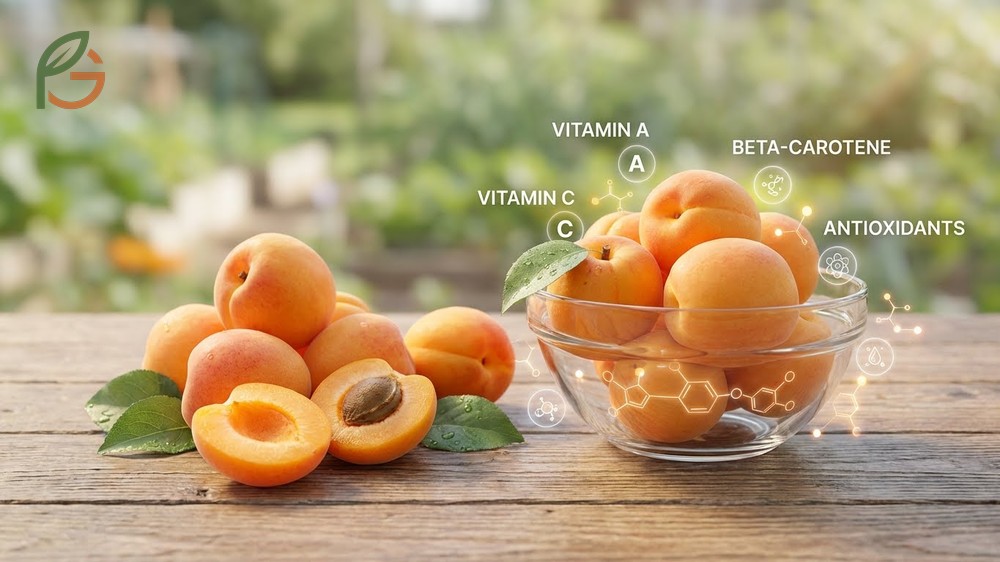
Beyond calories, apricots deliver substantial nutritional benefits that support overall health. One apricot provides 4 micrograms of vitamin A (as RAE)[1] and 4 milligrams of vitamin C[1]. These vitamins function as antioxidants that protect cells from oxidative damage.
The fruit’s distinctive orange color comes from beta-carotene, a precursor to vitamin A that supports eye health and immune function[2]. Research shows that consuming beta-carotene rich fruits like apricots may reduce the risk of age-related macular degeneration. This makes apricots particularly valuable for people concerned about vision preservation.
Current guidance emphasizes the importance of potassium for cardiovascular health. Apricots contribute meaningful amounts of this essential mineral, supporting healthy blood pressure levels. The combination of low sodium and moderate potassium creates a favorable ratio for heart health.
Vitamins and Minerals
Apricots provide a spectrum of micronutrients that complement their low calorie profile. Beyond vitamins A and C, the fruit contains small amounts of iron, calcium, magnesium, and folate. These minerals support various bodily functions including bone health, oxygen transport, and cellular metabolism.
Evidence indicates that apricots contain polyphenols and flavonoids that enhance their nutritional value beyond basic vitamin and mineral content. The quercetin found in apricots shows promise for supporting brain health[2]. What often gets overlooked is that the nutrient density increases when you consume the skin, which contains concentrated fiber and antioxidants.
- Vitamin A (4 mcg RAE) supports vision, immune function, and skin health
- Vitamin C (4 mg) acts as an antioxidant and supports collagen production
- Potassium helps regulate blood pressure and fluid balance
- Iron (1 mg) contributes to healthy red blood cell formation
- Dietary fiber (1g) promotes digestive health and satiety
Antioxidant Benefits
The antioxidant compounds in apricots extend beyond basic vitamins to include specialized phytonutrients. These compounds work together to neutralize free radicals that can damage cells over time. Research demonstrates that regular fruit consumption, including apricots, correlates with reduced markers of oxidative stress.
Agricultural studies show that apricots contain higher antioxidant levels when grown in optimal conditions with adequate sunlight exposure. The fruit’s beta-carotene content increases as apricots ripen, shifting from pale yellow to deep orange. For maximum antioxidant benefits, choose fully ripe apricots with rich, uniform color.
Tip for Gardeners: Apricot trees produce fruit for up to 25 years when properly maintained. Trees grown in USDA hardiness zones 5-8 yield the highest quality fruit with optimal sugar-to-acid ratios.
Apricot Macronutrients
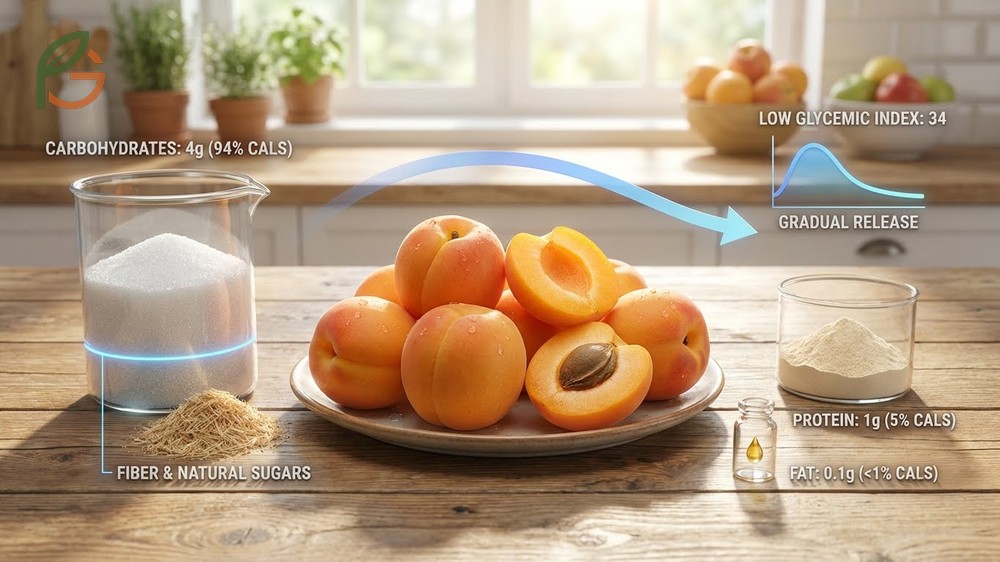
The macronutrient breakdown of apricots reveals why they fit well into various dietary patterns. One fresh apricot contains 4 grams of carbohydrates, 1 gram of protein, and 0.1 grams of fat[1]. This translates to approximately 94% of calories from carbs, 5% from protein, and less than 1% from fat.
Current data indicates that apricots have a low glycemic index of 34[3], meaning they don’t cause rapid blood sugar spikes. The combination of natural sugars and fiber creates a gradual release of glucose into the bloodstream. This makes apricots suitable for people managing blood sugar levels, though portion control remains important.
Studies demonstrate that the fiber in apricots contributes to their satiating effect despite the low calorie count. Each gram of fiber absorbs water in the digestive tract, creating bulk that promotes feelings of fullness. For weight management, this fiber-to-calorie ratio makes apricots more satisfying than many processed snacks with similar calorie counts.
Carbohydrates and Fiber
The 4 grams of carbohydrates in each apricot consist of 3 grams of natural sugars and 1 gram of dietary fiber[1]. This creates a net carb count of 3 grams per fruit, which matters for people following low-carb eating plans. The fiber component includes both soluble and insoluble types that support different aspects of digestive health.
Research shows that apricot fiber specifically includes pectin, a soluble fiber that may help lower cholesterol levels[2]. The insoluble fiber adds bulk to stool and promotes regular bowel movements. Most people need 25-35 grams of fiber daily, making each apricot a modest but meaningful contributor.
Agricultural research indicates that apricot sugar composition changes as fruit ripens. Unripe apricots contain more starch, which converts to sugars during the ripening process. Fully ripe apricots have the highest sugar content but also peak flavor and nutrient concentration.
Protein and Fat Content
While apricots aren’t significant protein sources, their 1 gram of protein per fruit[1] contributes to daily amino acid intake. This amount seems minimal but adds up when consuming multiple servings or combining apricots with protein-rich foods. The protein in apricots includes small amounts of essential amino acids.
The negligible fat content (0.1g per apricot)[2] makes them virtually fat-free. What little fat exists consists primarily of heart-healthy unsaturated fatty acids. For people tracking fat intake strictly, apricots won’t significantly impact daily totals.
This table compares the macronutrient content across different apricot serving sizes, showing calories, carbohydrates, protein, fat, and fiber values.
| Serving Size | Weight | Calories | Carbs | Fiber | Protein |
|---|---|---|---|---|---|
| 1 small apricot | 25g | 12 | 2.9g | 0.7g | 0.4g |
| 1 medium apricot | 35g[1] | 17[1] | 4g[1] | 1g[1] | 1g[1] |
| 1 large apricot | 50g | 24 | 5.7g | 1.4g | 0.7g |
| 1 cup sliced | 165g | 79 | 18.9g | 3.3g | 2.3g |
| 100g (reference) | 100g | 48[3] | 11.1g | 2g | 1.4g |
Apricot Serving Size
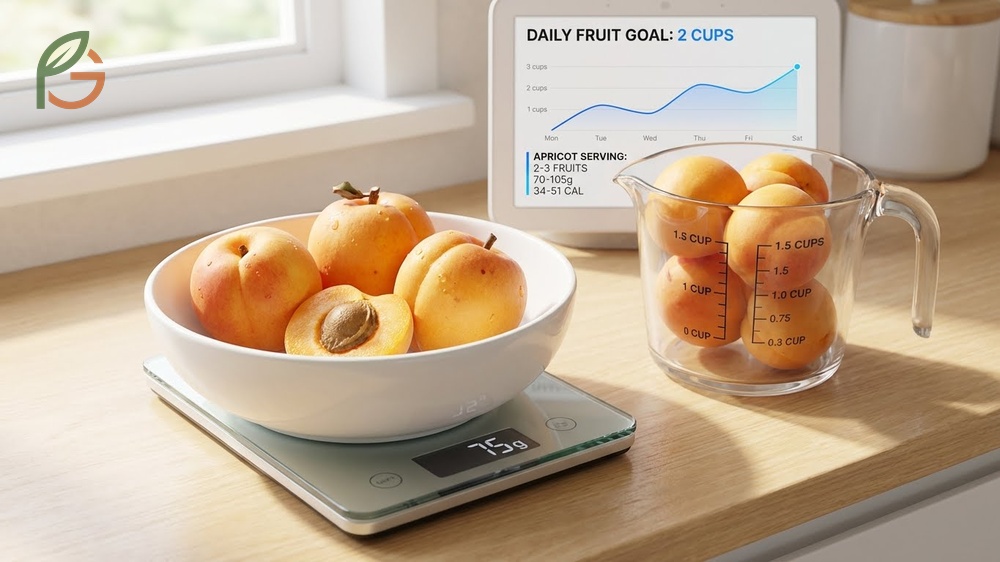
The standard serving size for fresh apricots equals 2-3 medium fruits (approximately 70-105 grams total). This portion provides 34-51 calories while counting as one serving of fruit in dietary guidelines. Most adults need 1.5-2 cups of fruit daily, making a serving of apricots a significant contributor to this goal.
Research shows that apricot serving sizes should adjust based on individual calorie needs and dietary context. People following weight loss plans might stick to 2 apricots (34 calories), while active individuals can comfortably consume 4-5 apricots (68-85 calories) as a post-workout snack. The key is balancing apricot intake with other fruits and vegetables throughout the day.
Evidence indicates that consuming apricots with their skin intact maximizes fiber and nutrient intake. The skin contains concentrated antioxidants and accounts for a significant portion of total fiber content. Simply wash apricots under running water and eat them whole, removing only the pit.
- Snack portion: 2-3 medium apricots (34-51 calories)
- Breakfast addition: 1-2 apricots sliced into yogurt or oatmeal (17-34 calories)
- Salad topping: 2-3 sliced apricots per serving (34-51 calories)
- Smoothie ingredient: 3-4 fresh apricots blended (51-68 calories)
- Dessert portion: 2 apricots with nuts or cheese (50-100 total calories)
Agricultural data shows that apricot availability peaks during late spring and summer in the United States. California, Washington, and select regions produce most domestic fresh apricots between May and August. During off-season months, canned or dried apricots provide alternatives, though with different calorie concentrations.
For home gardeners, FruitGarden research indicates that a mature apricot tree produces 3-4 bushels of fruit annually. This translates to roughly 150-200 pounds per tree, providing abundant fresh fruit during peak season. Proper storage extends fresh apricot usability to 2-3 weeks when refrigerated.
Storage Tip: Store unwashed apricots at room temperature (68-72°F / 20-22°C) until ripe, then refrigerate at 40°F (4°C) for up to three weeks. For long-term preservation, freeze sliced apricots treated with ascorbic acid to prevent browning.
Fresh vs Dried Apricots
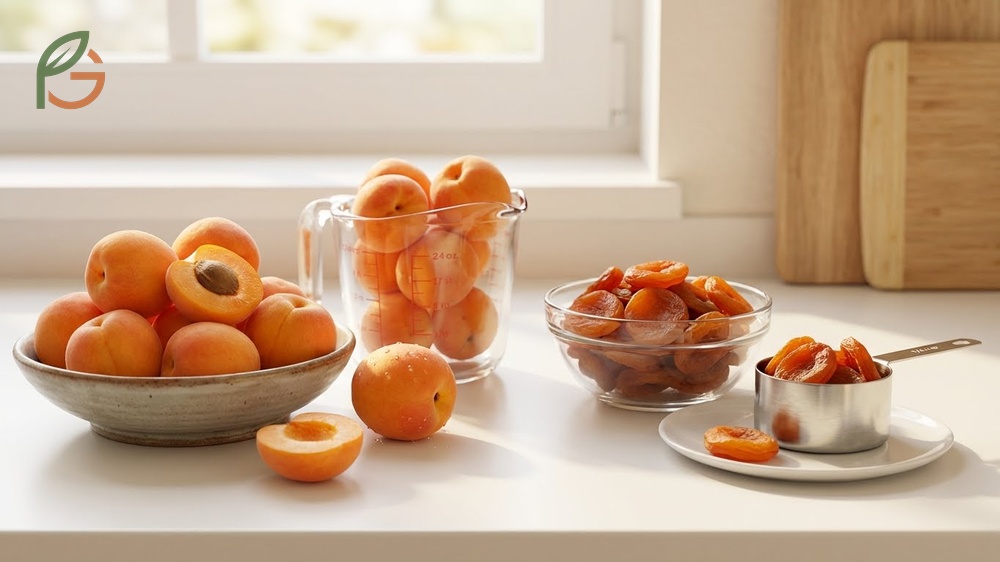
Dried apricots contain significantly more calories per serving than fresh due to water removal during dehydration. While one fresh apricot has 17 calories[1], one dried apricot half (about 8 grams) contains approximately 8-10 calories. However, people typically eat more dried apricots in one sitting, making calorie counts add up quickly.
Studies demonstrate that a standard 1/4 cup serving of dried apricots (about 35 grams) contains roughly 80-90 calories compared to 34-51 calories for the same weight in fresh apricots. The drying process concentrates both nutrients and natural sugars. This makes dried apricots more energy-dense but also richer in certain vitamins and minerals per gram.
Current guidance emphasizes checking dried apricot labels for added sugars and sulfites. Many commercially dried apricots contain sulfur dioxide to preserve color and extend shelf life[2]. People sensitive to sulfites should choose unsulfured varieties, which appear darker brown but retain full nutritional value.
Research shows that dried apricots maintain a relatively low glycemic index of around 42 despite their concentrated sugar content. The fiber remains intact during drying, helping moderate blood sugar response. For people managing diabetes or insulin sensitivity, pairing dried apricots with nuts or cheese further slows glucose absorption.
| Nutrient | Fresh (35g/1 fruit) | Dried (35g/~4 halves) |
|---|---|---|
| Calories | 17[1] | 84 |
| Carbohydrates | 4g | 22g |
| Sugar | 3g[2] | 19g |
| Fiber | 1g | 2.4g |
| Protein | 1g | 1.1g |
- Choose fresh for hydration and lower calorie snacking during weight management
- Choose dried for concentrated energy during hiking, travel, or athletic activities
- Choose fresh when blood sugar control is the primary concern
- Choose dried for longer shelf life and convenient year-round availability
- Choose fresh for maximum vitamin C content, which decreases during drying
Conclusion
The evidence is clear: calories in an apricot remain impressively low at just 17 per fruit, making this stone fruit an excellent choice for calorie-conscious eating without sacrificing nutrition. Current agricultural and nutritional research confirms that apricots deliver essential vitamins, minerals, fiber, and antioxidants while fitting seamlessly into weight management plans, diabetic diets, and general healthy eating patterns.
Whether you’re growing apricots in your home garden or shopping for fresh fruit at markets, understanding portion sizes and nutritional content helps you maximize health benefits. FruitGarden synthesizes current research to support both fruit cultivation and informed nutritional choices for American gardeners and health-conscious consumers.
Medical Disclaimer
Important Medical Disclaimer: This content is for informational and educational purposes only. It’s not intended as a substitute for professional medical advice, diagnosis, or treatment. Always consult a qualified healthcare professional or registered dietitian before making any changes to your diet, especially if you have diabetes, food allergies, IBS, or other medical conditions. Individual nutritional needs vary based on age, activity level, health status, and medications.
Frequently Asked Questions
How many calories are in 3 apricots?
Three medium apricots contain approximately 51 calories total, based on 17 calories per 35-gram fruit. This makes them a low-calorie snack option that provides fiber, vitamin A, and natural sweetness without adding significant calories to your daily intake.
Are apricots good for weight loss?
Yes, apricots support weight loss due to their low calorie density (17 calories per fruit) combined with fiber that promotes satiety. Research shows the 1 gram of fiber per apricot helps you feel fuller longer, while the natural sugars satisfy sweet cravings without derailing calorie goals.
What is the sugar content of fresh apricots?
One fresh apricot contains 3 grams of naturally occurring sugars with no added sugars. These natural sugars consist primarily of sucrose, glucose, and fructose that provide quick energy while the accompanying fiber moderates blood sugar response, resulting in a low glycemic index of 34.
How do fresh and dried apricots compare nutritionally?
Dried apricots contain roughly 5 times more calories per gram than fresh (about 84 calories per 35g versus 17 calories) due to water removal. However, dried versions concentrate certain nutrients like fiber and iron, making both forms nutritionally valuable depending on your calorie needs and dietary goals.
Can diabetics eat apricots safely?
Yes, diabetics can include apricots in their meal plans when consumed in appropriate portions. The low glycemic index of 34 means apricots don’t cause rapid blood sugar spikes. However, portion control remains important—stick to 2-3 fresh apricots per serving and consider pairing them with protein or healthy fats.
What vitamins are apricots rich in?
Apricots are particularly rich in vitamin A (providing 4 mcg RAE per fruit) from beta-carotene, which supports eye health and immune function. They also contain vitamin C (4 mg per fruit) for antioxidant protection, plus smaller amounts of vitamin E, folate, and various B vitamins that support metabolism.
How many apricots equal one serving of fruit?
According to dietary guidelines, 2-3 medium apricots constitute one serving of fruit. This portion provides approximately 34-51 calories while contributing valuable nutrients toward the recommended 1.5-2 cups of daily fruit intake for adults, making apricots an efficient way to meet nutritional goals.





