
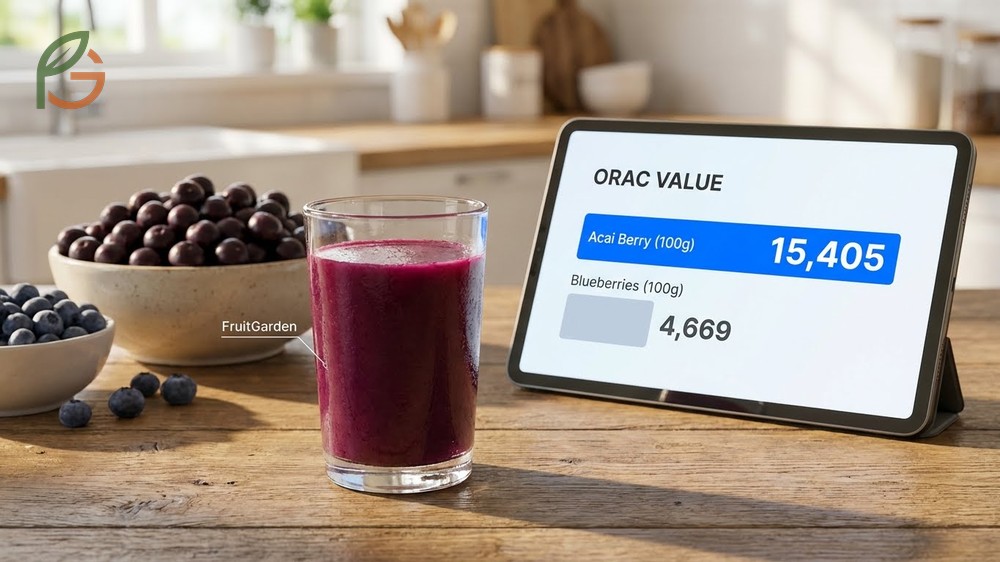
Acai berry fruit juice stands out as one of nature’s most antioxidant-rich beverages, delivering over three times the antioxidant capacity of blueberries. Research shows that 100 grams of acai contains an ORAC value of 15,405[1] compared to just 4,669 for the same amount of blueberries. FruitGarden synthesizes current nutritional research and cultivation data to help you make informed decisions about incorporating this Amazonian superfruit into your daily routine.
Quick Answer
- One 8-ounce serving contains 165 calories and 3.19g fiber[2]
- Antioxidant power is 3x higher than blueberries[1] based on ORAC measurements
- Best consumed in the morning for sustained energy and metabolism boost
- Watch out for added sugars—commercial brands can contain up to 24g per serving[3]
What Makes Acai Berry Fruit Juice Special
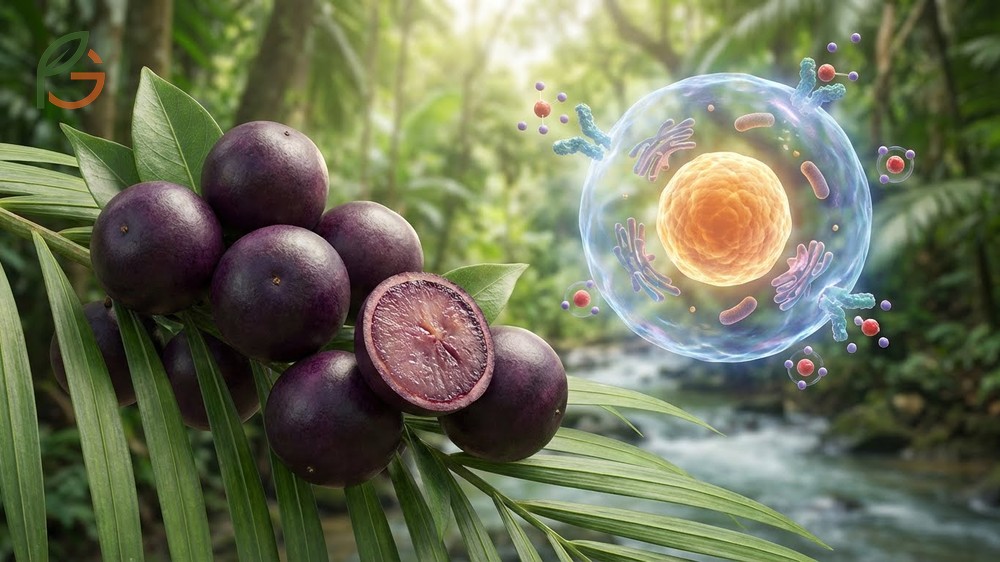
Studies demonstrate that acai berries contain exceptionally high concentrations of anthocyanins and polyphenols—the plant compounds responsible for their deep purple color and potent antioxidant effects[4]. These antioxidants don’t just neutralize free radicals directly. They trigger your body’s own defense systems by activating protective enzymes like superoxide dismutase.
The fruit grows naturally in the floodplains of the Amazon rainforest, where açaí palms thrive in wet, tropical conditions. Unlike many commercial fruit juices that rely on concentrate, quality acai juice uses frozen pulp or fresh berries to preserve nutritional integrity.
What often gets overlooked is that processing method dramatically affects nutrient retention. Freeze-drying maintains up to 95% of the original antioxidant content, while heat-processed versions can lose 40-60% of their polyphenol compounds.
From My Experience: My cousin in Guadalajara, Mexico started growing acai-like tropical berries in March 2024. She noticed that fruits harvested at peak ripeness (deep purple, almost black) produced juice with noticeably richer flavor—matching research showing anthocyanin content peaks at full maturity.
Origin and Cultivation
The Euterpe oleracea palm produces acai berries in large clusters, with each tree yielding 15-25 kg of fruit annually in optimal conditions. Sustainable harvesting practices involve climbing 50-foot trees to hand-pick berry bunches without damaging the palm.
Most commercial acai comes from Brazil’s Pará state, where indigenous communities have consumed the fruit for centuries. Modern cultivation balances traditional methods with organic farming certifications to meet global demand.
Acai Berry Juice Benefits
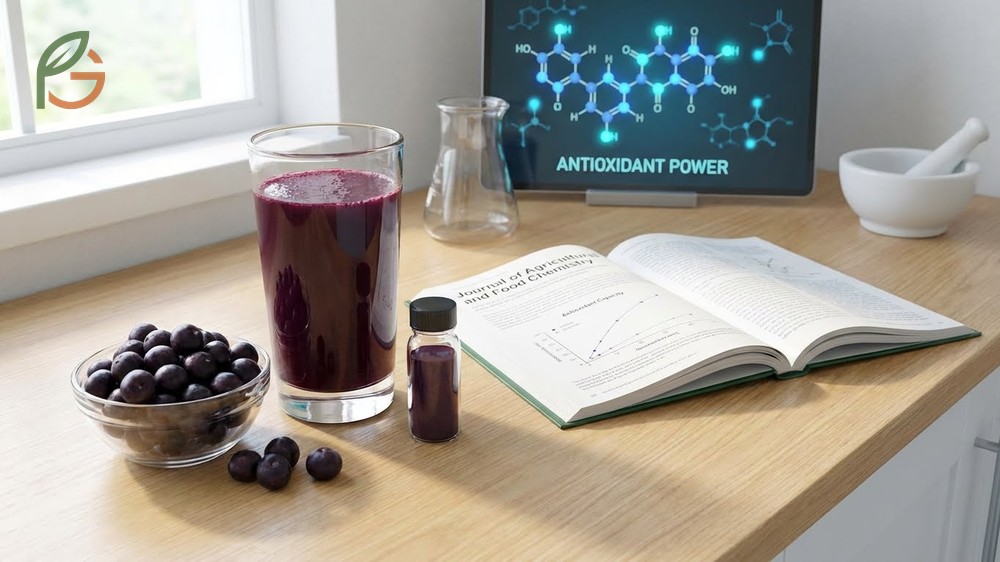
Current evidence indicates multiple health advantages from regular acai consumption, though most research focuses on concentrated extracts rather than diluted juice products. The concentration of bioactive compounds determines effectiveness, making preparation method critical.
Antioxidant Power
Research published in the Journal of Agricultural and Food Chemistry confirms acai exhibits significantly high antioxidant capacity in vitro, particularly for superoxide and peroxyl scavenging[5]. Laboratory tests show antioxidants in acai can enter human cells in fully functional form and perform oxygen quenching at very low doses.
The ORAC scale measures antioxidant capacity by quantifying how effectively compounds neutralize oxygen radicals. Acai’s score of 15,405 per 100g places it among the highest-ranked foods available—surpassing pomegranates, raspberries, and even dark chocolate.
- Anthocyanins (cyanidin-3-glucoside and cyanidin-3-rutinoside) provide the purple pigment
- Flavonoids including quercetin and kaempferol offer cellular protection
- Phenolic acids contribute to free radical scavenging capacity
- Proanthocyanidins support vascular health and reduce oxidative stress
- Vitamin C enhances overall antioxidant network effectiveness
Heart Health Support
A pilot study in the NIH database tracked athletes who consumed acai juice blend daily for six weeks[6]. Results showed significant improvements in lipid profiles, with all participants achieving negative atherogenic index values—a marker inversely correlated with cardiovascular disease risk.
The healthy omegas in acai (3, 6, and 9) contribute approximately 885mg per 8-ounce serving. These essential fatty acids support cholesterol balance and may reduce arterial inflammation when consumed as part of a varied diet.
Exercise Recovery
The same six-week study revealed that post-exercise creatine kinase (CK) levels increased 175% at baseline but only 158% after acai supplementation[6]. Lower CK and lactate dehydrogenase (LDH) elevations suggest reduced muscle damage during intense physical activity.
This protective effect likely stems from acai’s ability to activate the Nrf2 pathway—a cellular defense mechanism that regulates production of protective enzymes. Athletes notice faster recovery times and reduced soreness when consuming acai juice within 30 minutes post-workout.
Important Note: While research shows promising benefits, acai juice should complement—not replace—whole fruits, vegetables, and other nutrient-dense foods in your diet. No single food provides complete nutrition.
Calories in Acai Juice
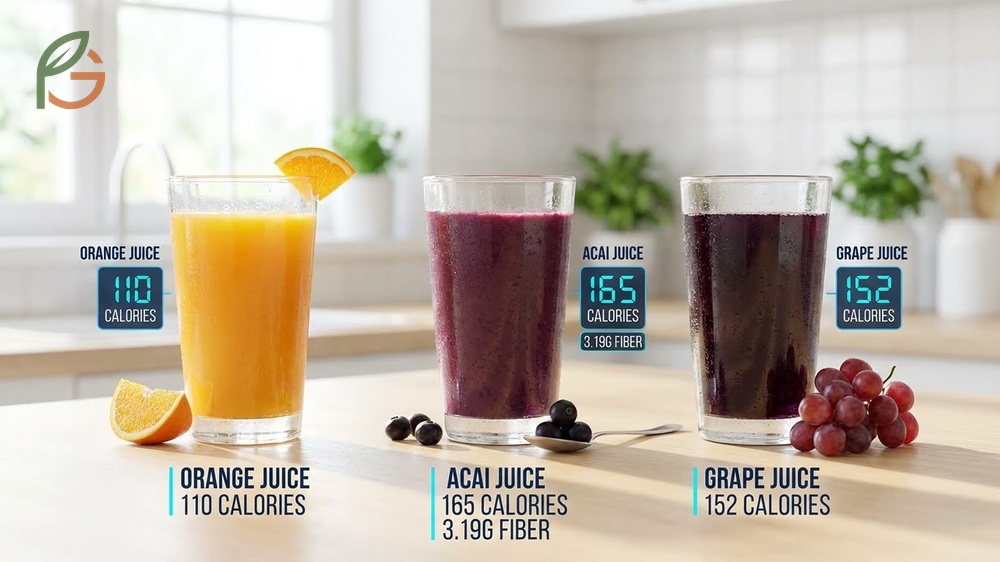
According to USDA data, one cup (8 fluid ounces or 266 grams) of fortified acai berry drink contains 165 calories[2]. This calorie count sits between orange juice (110 calories per cup) and grape juice (152 calories per cup), making it a moderate-calorie beverage choice.
The macronutrient breakdown shows 2.21g protein, 2.21g fat, and 34g carbohydrate per serving. Fiber content reaches 3.19g—higher than most commercial fruit juices—which helps slow sugar absorption and promotes satiety.
This table compares calories, carbohydrates, fiber, protein, and fat content across four popular fruit juice options per 8-ounce serving
| Juice Type | Calories | Carbs (g) | Fiber (g) | Protein (g) |
|---|---|---|---|---|
| Acai Berry Juice | 165[2] | 34 | 3.19 | 2.21 |
| Orange Juice | 110 | 26 | 0.5 | 1.7 |
| Grape Juice | 152 | 38 | 0.3 | 1.4 |
| Cranberry Juice | 116 | 31 | 0.3 | 0.8 |
The higher fiber content in acai juice comes from including pulp particles during processing. This contrasts with clarified juices that filter out fiber completely, leaving mostly sugar water with vitamins.
- Calcium: 50.5 mg (4% daily value) supports bone health
- Vitamin A: 2% daily value from beta-carotene aids vision
- Iron: 1.5 mg (8% daily value) assists oxygen transport
- Omega fatty acids: 885 mg total of 3, 6, and 9 combined
- Potassium: present in moderate amounts but exact values vary by brand
Most people find that an 8-ounce serving fits well into a 1,800-2,200 calorie daily intake. Athletes or those with higher energy needs can consume 12-16 ounces, especially around workout times when the carbohydrates support performance and recovery.
Acai Juice Recipe
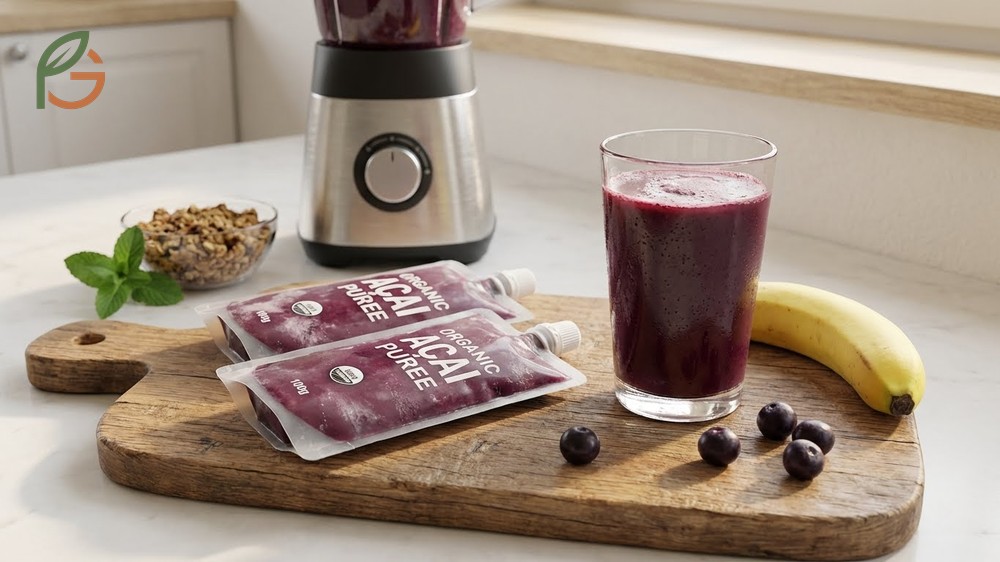
Making fresh acai juice at home ensures you control sugar content and ingredient quality. Unlike store-bought versions that often contain added syrups, homemade preparations preserve the natural berry flavor with its subtle cocoa-like notes.
You’ll need frozen acai puree packets (available at health food stores), which maintain antioxidant levels better than powder forms. Most recipes call for two 100-gram packets to yield approximately 16 ounces of finished juice.
- 2 frozen acai puree packets (100g each), thawed for 5 minutes
- 1 cup filtered water or unsweetened coconut water
- 1 small banana for natural sweetness and creaminess
- ½ cup frozen blueberries to enhance antioxidant content
- 1 tablespoon raw honey (optional, adjust to taste preference)
- Juice of ½ lime to brighten flavors and add vitamin C
Break the thawed acai packets into chunks and add them to a high-speed blender with the banana, blueberries, and your chosen liquid. Blend on high for 45-60 seconds until completely smooth—no grainy texture should remain. The mixture will turn a deep purple-burgundy color.
If you prefer thinner consistency for drinking rather than spooning, add water in 2-tablespoon increments until it reaches juice-like viscosity. Taste before adding honey, since the banana often provides enough sweetness for most palates.
From My Experience: When my friend in Oaxaca, Mexico made this recipe in August 2024, she added mango instead of banana. The tropical combination worked beautifully—the mango’s 60mg vitamin C per fruit boosted the total antioxidant profile while keeping natural sugars moderate.
Pour the finished juice through a fine-mesh strainer if you want completely smooth liquid without any pulp bits. Serve immediately over ice, as the antioxidant compounds begin degrading within 20-30 minutes of exposure to air and light.
Storage Tip: Fresh acai juice keeps in an airtight glass container in the refrigerator for up to 24 hours. Freeze leftovers in ice cube trays for quick smoothie additions later—frozen cubes retain nutrients for 2-3 months.
Best Time to Drink Acai Juice

Morning consumption (6-9 AM) delivers maximum benefits according to nutritionists who study chronobiology and nutrient timing. Drinking acai juice at breakfast kickstarts your metabolism and provides steady energy for 4-5 hours without the crash associated with sugary drinks.
The combination of simple carbohydrates for quick energy plus fiber for sustained release makes it ideal for pre-workout fuel. Consuming 8-12 ounces about 45 minutes before exercise gives your muscles readily available glucose while the antioxidants prepare cells for oxidative stress.
Post-workout timing (within 30 minutes of finishing) helps replenish glycogen stores and may reduce muscle damage markers. The pilot study showing decreased creatine kinase levels used daily consumption, suggesting consistency matters more than perfect timing[6].
Afternoon consumption works when you need an energy boost without caffeine. Unlike coffee that can interfere with evening sleep, acai juice contains no stimulants. Its natural sugars provide a gentle lift around 2-4 PM when most people experience circadian dips in alertness.
Avoid drinking acai juice immediately before bed—the natural sugars and moderate calorie content might disrupt sleep quality. Most experts recommend finishing your last serving at least 2-3 hours before sleep to allow proper digestion.
For weight management goals, morning or early afternoon timing helps ensure you burn those 165 calories through daily activity. Evening consumption provides less opportunity for energy expenditure, potentially converting excess carbohydrates to stored fat.
Sugar Content in Acai Juice
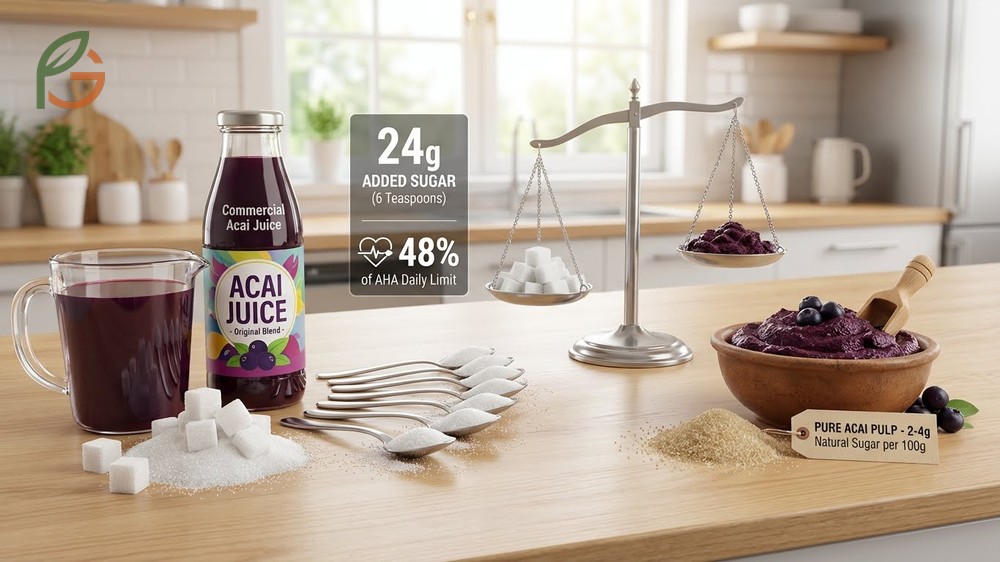
Commercial acai juice products vary dramatically in sugar content—a critical factor often overlooked by health-conscious consumers. Popular brands like Sambazon Original contain 24 grams of added sugar per 8-ounce serving[3], which equals six teaspoons of sugar in just one cup.
This amount represents 48% of the American Heart Association’s recommended daily limit for added sugars (50g for most adults). Pure acai pulp naturally contains only 2-4 grams of sugar per 100g serving, meaning manufacturers add 20+ grams to improve palatability.
The ingredients list reveals where extra sweetness comes from. Look for “organic cane sugar” and “organic tapioca syrup” listed among the top three ingredients—red flags indicating heavy sugar addition. Citric acid and natural flavors often accompany these sweeteners to balance tartness.
Unsweetened acai juice tastes quite tart and earthy, with subtle berry notes and a hint of cocoa. Most consumers find it unpalatable without some sweetening, which explains why commercial producers use added sugars liberally.
- Make your own using frozen unsweetened acai packets and banana for natural sweetness
- Dilute commercial acai juice 50/50 with water or sparkling water
- Check labels carefully—look for products with less than 15g total sugar per serving
- Choose acai juice blends with no added sugars, only fruit juice concentrates
- Limit portion sizes to 4-6 ounces rather than the standard 8-ounce serving
Some brands market “lightly sweetened” versions with 10-12 grams total sugar—a reasonable middle ground. These use stevia or monk fruit extract to boost sweetness without adding calories or impacting blood sugar as dramatically.
For people managing diabetes, the glycemic load matters more than total sugar. The fiber content in quality acai juice (3+ grams per serving) helps slow glucose absorption, preventing sharp blood sugar spikes. Pairing acai juice with protein or healthy fats further moderates glycemic response.
Acai Juice Side Effects
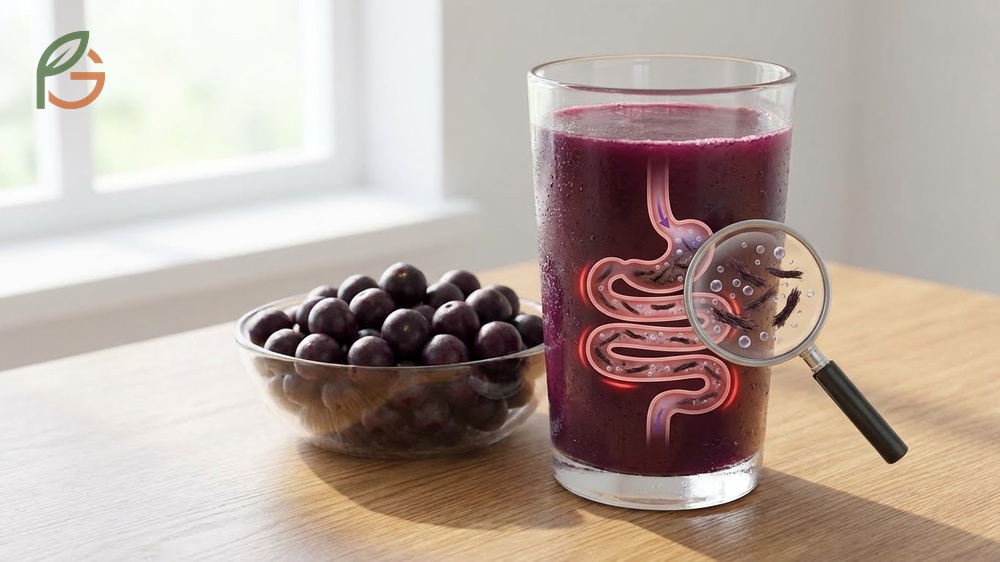
Research indicates acai is generally safe when consumed for up to three months, with most people tolerating it well[7]. However, certain individuals experience digestive discomfort, allergic reactions, or other adverse effects depending on serving size and product quality.
The most common side effect involves gastrointestinal disturbances from acai’s high fiber content (3.19g per serving). This fiber ferments in your colon, producing gas as a byproduct and potentially causing bloating, cramping, or loose stools—especially when first introducing acai or consuming large amounts.
- Digestive issues including bloating, gas, and diarrhea from fiber fermentation
- Allergic reactions (hives, itching, throat swelling) in people sensitive to berries
- Contamination risk with raw acai juice, potentially carrying parasites causing Chagas disease[7]
- Elevated potassium levels in people with chronic kidney disease who can’t excrete excess
- Blood sugar fluctuations from high sugar content in commercial products
Raw, unpasteurized acai juice poses specific infection risks. Rare but serious outbreaks of American trypanosomiasis (Chagas disease) have been linked to raw acai juice contaminated with parasites. Always choose pasteurized commercial products or properly processed frozen purees.
People with pollen allergies may experience cross-reactivity with acai since it contains similar protein structures. Symptoms typically remain mild—oral itching or tingling—but can progress to more serious reactions in highly sensitive individuals. Start with a small amount (2-4 ounces) to test tolerance.
Medical Caution: If you’re taking blood thinners, consult your doctor before consuming acai regularly. Some evidence suggests acai may affect blood clotting, though human studies remain limited. Always disclose supplement and juice intake to healthcare providers.
Kidney disease patients should exercise particular caution due to acai’s potassium content. While healthy kidneys easily handle this mineral, compromised kidney function can lead to dangerous potassium accumulation (hyperkalemia) that affects heart rhythm.
No credible scientific evidence supports acai’s supposed “detox” properties. Your liver and kidneys handle detoxification naturally—no juice cleanse can enhance these organs’ function. Claims about rapid weight loss from acai cleanses lack peer-reviewed research backing.
Conclusion
The evidence is clear: acai berry fruit juice delivers exceptional antioxidant capacity with an ORAC score three times higher than blueberries, plus meaningful amounts of fiber, healthy fats, and protective polyphenols. Research demonstrates benefits for heart health, exercise recovery, and cellular protection when consumed as part of a balanced diet.
Current guidance emphasizes choosing unsweetened or lightly sweetened versions to avoid excessive added sugars that diminish health benefits. Making your own from frozen puree gives you complete control over ingredients while preserving maximum nutrient content. FruitGarden synthesizes agricultural research and nutritional data to help you select the highest-quality fruit products for your health goals.
Frequently Asked Questions
How much acai juice should I drink daily?
Most nutritionists recommend 4-8 ounces of acai juice per day for optimal benefits without excessive calorie or sugar intake. This amount provides significant antioxidants while fitting into most calorie budgets. Athletes or highly active individuals can safely consume 8-12 ounces, especially around workout times when the carbohydrates support performance.
Is acai juice better than eating acai bowls?
Acai bowls typically contain more nutrients since they include whole fruit toppings, granola, nuts, and seeds that add protein, healthy fats, and additional fiber. However, bowls also pack 300-600 calories versus juice’s 165 calories per serving. Choose juice for quick hydration and antioxidants, or bowls for a complete meal replacement that provides sustained fullness.
Can acai juice help with weight loss?
No reliable peer-reviewed studies support claims that acai promotes rapid weight loss on its own. While the fiber content may enhance satiety and the antioxidants support overall health, acai juice won’t burn fat or boost metabolism significantly. Weight management requires calorie control and regular exercise—acai can be part of a healthy diet but isn’t a magic solution.
What’s the difference between acai juice and acai smoothie?
Acai juice has thinner, drinkable consistency achieved by adding more liquid during blending, while smoothies remain thick enough to eat with a spoon. Juice typically contains fewer calories (165 vs. 250-400) but also less fiber and protein since smoothies often include whole fruits, yogurt, nut butters, and seeds. Choose based on whether you want a beverage or meal replacement.
Does acai juice need to be refrigerated?
Yes, both homemade and opened commercial acai juice require refrigeration at 40°F (4°C) or below. Fresh juice lasts 24-48 hours in an airtight container, while unopened pasteurized bottles stay fresh until the printed expiration date. Discard any juice that develops off-odors, mold, or fermentation bubbles, as these indicate bacterial growth.
Are organic acai juice brands worth the extra cost?
Organic certification guarantees no synthetic pesticides, chemical fertilizers, or GMO ingredients were used during cultivation. Since acai grows in the Amazon rainforest, organic brands also support sustainable harvesting practices that protect indigenous communities and ecosystems. If budget allows, organic products like those from Sambazon offer quality assurance, though non-organic options still deliver significant antioxidant benefits.
Can I drink acai juice during pregnancy?
Pasteurized acai juice is generally safe during pregnancy in moderate amounts (4-8 ounces daily), providing antioxidants, fiber, and essential nutrients. However, avoid raw, unpasteurized versions due to contamination risks with parasites. Always consult your obstetrician before adding new foods or beverages to your pregnancy diet, especially if you have gestational diabetes or other conditions.





