
Vitamin water acai blueberry pomegranate delivers antioxidants but packs significant sugar content. Research shows that one 20-ounce bottle contains 120 calories and 32 grams of sugar[1]—nearly as much as a soda. FruitGarden synthesizes current nutritional research to help you understand what’s really in your beverage and breakfast choices.
Quick Answer
Vitamin Water Acai Blueberry Pomegranate
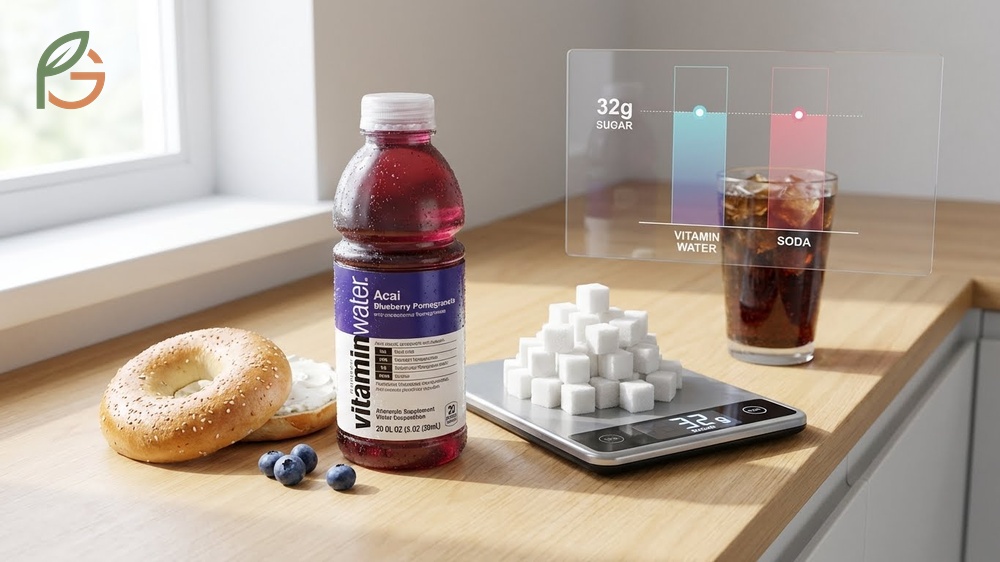
Studies demonstrate that this popular beverage markets itself as a health drink but contains sugar levels comparable to regular soda. Current nutritional analysis shows that Vitaminwater XXX (the acai-blueberry-pomegranate flavor) provides 120 calories per 20-ounce bottle with 33 grams total carbohydrates[1]. The drink contains zero fat and zero protein, making it essentially flavored sugar water with added vitamins.
Research from beverage nutrition databases confirms that 32 grams of the total carbohydrates come from sugar[1]. This amount exceeds the American Heart Association’s recommended daily limit of 25 grams for women and approaches the 36-gram limit for men. Most people don’t realize that drinking one bottle consumes nearly an entire day’s worth of added sugar.
The product’s marketing emphasizes its “triple antioxidant” formula featuring vitamin A, vitamin C, and selenium alongside B vitamins[2]. While these nutrients provide some benefit, you can get them from whole foods without the excessive sugar load.
What Vitamins Are Inside
The vitamin profile includes B5, B6, and B12 as “great sources” according to manufacturer specifications[2]. Evidence suggests these B vitamins support energy metabolism and nervous system function. The drink also delivers 60mg of vitamin C and 375 mcg of vitamin A per 20-ounce bottle[1].
Agricultural data shows that selenium acts as an antioxidant mineral that protects cells from oxidative damage. The combination of these three antioxidant types—vitamins A and C plus selenium—forms the basis of the product’s “XXX” branding. However, nutritional guidance emphasizes that vitamin supplementation works best when paired with a balanced diet, not as a replacement for whole foods.
Important Note: Getting vitamins from fortified beverages isn’t as effective as consuming them from whole foods. Your body absorbs nutrients better when they come packaged with fiber, healthy fats, and other beneficial compounds found in fruits and vegetables.
Sugar Content Reality
Health experts warn that excessive sugar consumption links directly to weight gain, increased heart disease risk, and insulin resistance. A single 500ml bottle can contain up to 30 grams of sugar[4]—roughly equivalent to a can of soda. This matters because liquid calories don’t trigger the same fullness response as solid food.
Current guidance emphasizes that drinking your calories, especially from sugar, can lead to overconsumption without satisfying hunger. The reason is simple: your brain doesn’t register liquid sugar the same way it does food. You’ll likely eat the same amount at your next meal regardless of whether you drank a vitamin water or plain water.
Blueberry Bagel Nutrition Facts
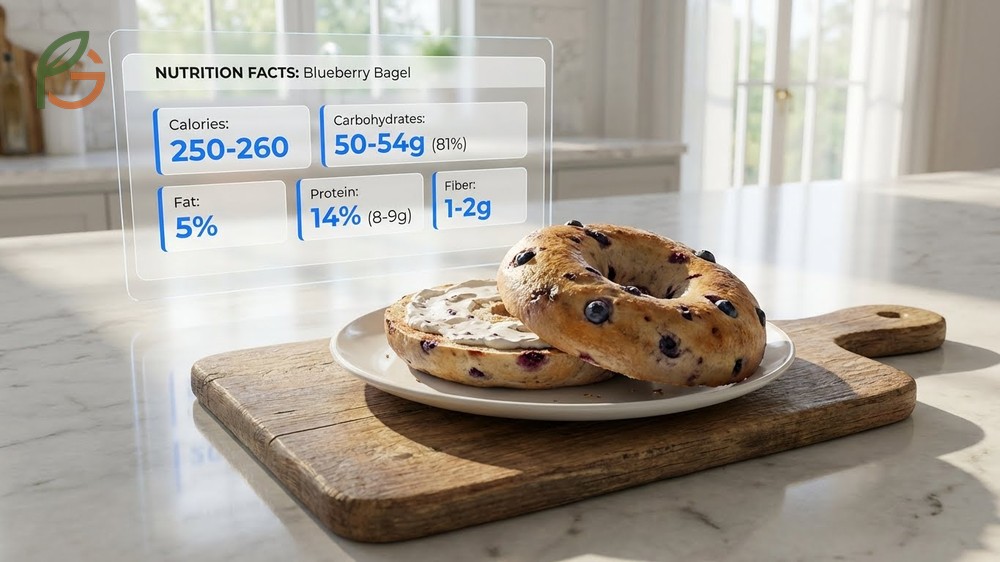
Nutritional databases reveal that a standard blueberry bagel contains 250-260 calories with 50-54 grams of carbohydrates[3]. Most people find this surprising because bagels look small but pack significant calories. The macronutrient breakdown shows 81% carbs, 5% fat, and 14% protein by caloric contribution[3].
Research across food manufacturers shows that the typical blueberry bagel provides only 8-9 grams of protein and 1-2 grams of fiber. This combination means the bagel won’t keep you full for long. What often gets overlooked is that bagels made with refined flour cause rapid blood sugar spikes followed by crashes that trigger hunger within 2-3 hours.
The addition of blueberries contributes small amounts of antioxidants and natural sweetness without extra refined sugars in most brands. However, some commercial versions include added sugars that increase the total carbohydrate load. Pairing a blueberry bagel with protein sources like Greek yogurt or almond butter helps balance its carbohydrate content for better satiety.
Calorie and Carb Breakdown
Data from nutritional analysis platforms shows that a 95-99 gram bagel delivers approximately 250-260 calories. The carbohydrate content ranges from 50-54 grams depending on the brand[3]. Of these carbs, only 2 grams come from dietary fiber, with net carbs reaching 52 grams—a significant amount for one food item.
Sodium content typically sits at 400mg per bagel, representing 17% of the daily recommended value. The low fat content (1-1.5g) means there’s little to slow digestion and keep you satisfied. This matters because fat and fiber work together to moderate blood sugar response and extend feelings of fullness.
Protein and Fiber Content
The 8-9 grams of protein in a blueberry bagel provides only 16% of your daily value[3]. Studies demonstrate that breakfast should ideally contain 20-30 grams of protein to support muscle maintenance and satiety. The 2 grams of fiber represents just 7% of the recommended 25-30 grams per day.
Evidence indicates that this low protein and fiber combination makes bagels a poor choice for stable blood sugar and sustained energy. Current nutritional guidance emphasizes eating balanced meals that combine complex carbohydrates with adequate protein and healthy fats. Most people benefit from adding protein-rich toppings like eggs, smoked salmon, or nut butter to improve the bagel’s nutritional profile.
Acai Berry vs Blueberry

Agricultural research shows that acai berries contain significantly higher antioxidant levels than blueberries. The ORAC (Oxygen Radical Absorbance Capacity) index for acai reaches 11,000-12,324 μmol TE/100g[5]—approximately three times the antioxidant activity of blueberries. This higher concentration comes from acai’s polyphenol content of 3.29 grams per 100 grams[6].
Studies demonstrate that acai’s antioxidants reduce free radical damage to cells, protecting them from oxidative stress and aging. These polyphenols include anthocyanins, the same flavonoids that give berries their deep purple color. Evidence suggests that both berries provide health benefits, but acai delivers more concentrated antioxidant protection per serving.
Research from nutritional institutes confirms that acai contains additional beneficial compounds beyond antioxidants. These include dietary fiber, essential amino acids, omega fatty acids, and minerals like manganese[5]. Blueberries, while lower in antioxidants, are more readily available and affordable in most US markets.
This table compares antioxidant capacity, polyphenol content, and key nutritional differences between acai berries and blueberries
| Component | Acai Berry | Blueberry | Winner |
|---|---|---|---|
| ORAC Value (μmol TE/100g) | 11,000-12,324[5] | ~4,000 | Acai (3x higher) |
| Polyphenols (g/100g) | 3.29[6] | ~0.5-1.0 | Acai |
| Availability in US | Frozen or powder only | Fresh, frozen, widely available | Blueberry |
| Cost per serving | $2-4 | $0.50-1.00 | Blueberry |
| Vitamin C content | Low | High (24% DV per cup) | Blueberry |
Practical Tip: Don’t stress about which berry is “better.” Blueberries are more affordable and accessible, making them easier to eat regularly. Consistent consumption of any antioxidant-rich fruit beats occasional expensive superfoods.
- Acai’s higher antioxidant concentration means you need smaller portions for similar benefits
- Blueberries work better for daily consumption due to lower cost and fresh availability
- Acai requires freezing or freeze-drying for preservation, which can reduce some nutrient content
- Fresh blueberries retain their full vitamin C content, which degrades in processed acai products
- Both berries support heart health through their anti-inflammatory polyphenols
- Pomegranates provide different antioxidants (punicalagins) that complement both berries
Healthier Breakfast Alternatives
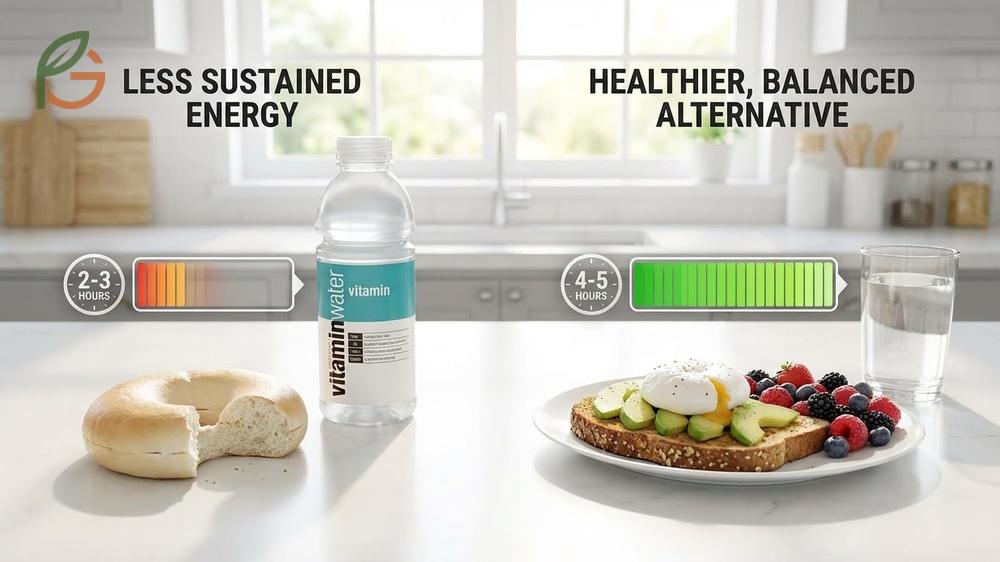
Current nutritional guidance emphasizes building balanced breakfasts that combine protein, healthy fats, and complex carbohydrates. Research shows that meals meeting these criteria maintain stable blood sugar for 4-5 hours versus the 2-3 hour window from high-carb, low-protein options. The vitamin water and bagel combo provides 370-380 calories but lacks sufficient protein and healthy fats for sustained energy.
Evidence indicates that swapping refined bagels for whole grain options improves fiber intake by 2-3 times. Adding protein sources like eggs (6g protein each), Greek yogurt (15-20g per cup), or nut butter (7-8g per 2 tablespoons) transforms the nutritional profile. Most people find that these additions keep them satisfied until lunch without mid-morning energy crashes.
Studies demonstrate that homemade “vitamin water” using fresh fruit infusion provides antioxidants without added sugar. Current data indicates that whole fruits deliver fiber alongside their sugars, slowing absorption and preventing blood sugar spikes. This matters because the combination of fiber and water in whole fruits triggers fullness signals that processed beverages don’t activate.
- Whole grain toast with avocado and scrambled eggs (combines healthy fats, protein, and complex carbs)
- Greek yogurt parfait with fresh blueberries, nuts, and a drizzle of honey (20g+ protein, antioxidants, healthy fats)
- Smoothie bowl with frozen acai, banana, protein powder, and topped with granola (nutrient-dense, customizable)
- Overnight oats with chia seeds, almond milk, and berries (high fiber, sustained energy release)
- Whole wheat bagel with smoked salmon and cream cheese (adds 15-20g protein, omega-3 fatty acids)
- Veggie omelet with whole grain toast and fresh fruit (25-30g protein, vitamins, minerals)
- Cottage cheese bowl with pomegranate seeds, walnuts, and cinnamon (high protein, antioxidants, anti-inflammatory)
Blood Sugar Balance: If you can’t give up your vitamin water, drink it alongside a protein-rich meal rather than alone. The protein and fat slow sugar absorption, reducing the insulin spike that leads to fat storage and energy crashes.
Pomegranates deserve special mention for their unique antioxidant profile. Research shows that pomegranate juice contains punicalagins—powerful anti-inflammatory compounds that reduced inflammatory markers by 30-32% in a 12-week diabetes study[7]. These antioxidants work differently from acai and blueberry polyphenols, providing complementary protection against oxidative stress.
Evidence suggests that incorporating all three fruits—acai, blueberry, and pomegranate—into your diet throughout the week maximizes antioxidant variety. However, eating them whole or in smoothies beats drinking vitamin water that contains minimal fruit content and excessive added sugar. Agricultural data shows that a cup of fresh pomegranate arils provides 7 grams of fiber, 30% of daily vitamin C, and only 144 calories with 24 grams of natural sugar[7]—a much better nutritional profile than vitamin water.
Conclusion
The evidence is clear: vitamin water acai blueberry pomegranate delivers vitamins but can’t overcome its high sugar content of 32 grams per bottle. Pairing it with a blueberry bagel creates a 370-380 calorie breakfast that’s predominantly simple carbohydrates with minimal protein or healthy fats—a combination that won’t sustain your energy through the morning.
Current guidance emphasizes getting antioxidants from whole fruits rather than fortified beverages. Research shows that fresh blueberries, frozen acai, and pomegranate arils provide superior nutrition with fiber that moderates blood sugar response. Building balanced breakfasts with adequate protein (20-30g) and incorporating these fruits as toppings or sides creates meals that support stable energy and better health outcomes. FruitGarden encourages making informed choices by understanding the full nutritional picture beyond marketing claims.
Frequently Asked Questions
How many calories are in a blueberry bagel with cream cheese?
A blueberry bagel with 2 tablespoons of cream cheese contains approximately 350-360 calories. The bagel contributes 250-260 calories while regular cream cheese adds about 100 calories and 10 grams of fat. Using light cream cheese reduces the total by 30-40 calories.
Is vitamin water healthy for daily consumption?
Research shows vitamin water isn’t ideal for daily consumption due to its high sugar content. One bottle contains 32 grams of sugar—exceeding daily limits for most adults. You’re better off drinking plain water and getting vitamins from whole foods. Save vitamin water for occasional treats rather than daily hydration.
Does vitamin water acai blueberry pomegranate contain caffeine?
No, Vitaminwater XXX (acai blueberry pomegranate flavor) doesn’t contain caffeine. It provides energy through B vitamins and sugar, not stimulants. If you need caffeine in the morning, you’ll need to pair it with coffee or tea separately.
What’s the difference between acai berry and blueberry nutritionally?
Acai berries contain three times more antioxidants than blueberries, with an ORAC value of 11,000-12,324 versus about 4,000 for blueberries. However, blueberries provide more vitamin C and cost significantly less. Both offer health benefits, so choose based on availability and budget rather than worrying about which is “better.”
Can I drink vitamin water on a keto diet?
Standard vitamin water isn’t keto-friendly because it contains 33 grams of carbs per bottle—exceeding the typical 20-50 gram daily keto limit. The zero-calorie versions sweetened with stevia work better for keto. Check labels carefully since different vitamin water flavors have varying carb contents.
How can I make homemade vitamin water that’s healthier?
Fill a pitcher with water and add fresh berries, citrus slices, cucumber, or herbs like mint. Let it infuse in the fridge for 2-4 hours. This provides antioxidants and flavor without added sugar. For extra nutrition, add a splash of 100% pomegranate juice (1-2 tablespoons per glass) to boost antioxidants without overdoing calories.
What are the healthiest bagel toppings for weight management?
Studies show that protein-rich toppings work best for satiety and blood sugar control. Try smoked salmon with light cream cheese (adds 15g protein), mashed avocado with sliced eggs (healthy fats plus 12g protein), or natural almond butter with banana slices (8g protein, healthy fats). Aim for toppings that add at least 10-15 grams of protein to balance the bagel’s carbohydrates.





