

Acai berry side effects are generally mild but can include allergic reactions, digestive discomfort, and interactions with blood-thinning medications. Research shows that while acai is well-tolerated by most people when consumed in recommended amounts, understanding potential risks helps you use this superfruit safely[1]. FruitGarden synthesizes current medical research and clinical data to help you make informed decisions about acai consumption.
Quick Answer
- Most people tolerate acai well with minimal side effects at standard doses
- Allergic reactions occur in sensitive individuals, ranging from mild itching to severe anaphylaxis[2]
- Safe daily dosage ranges from 500-1,000 mg for supplements or 1-3 grams for powder[3]
- Consult healthcare providers before use if you’re taking blood thinners or chemotherapy medications
Acai Berry Side Effects

Studies demonstrate that acai berries are generally safe for consumption, with most adverse effects being mild and temporary. Clinical trials lasting up to three months showed good tolerance among healthy participants[1]. Current data indicates that side effects typically emerge when people exceed recommended doses or have pre-existing sensitivities.
The severity of reactions varies significantly based on individual health status and consumption methods. Research shows that whole acai fruit or flash-frozen pulp causes fewer problems than unregulated supplements[3]. Most documented side effects resolve quickly once consumption stops.
Common Reactions
Evidence suggests that digestive discomfort represents the most frequent complaint among new acai users. The high fiber content can trigger temporary bloating or gas, especially during the first week of use. These symptoms typically decrease as your digestive system adapts to the increased fiber intake.
Some people report mild headaches or dizziness when starting acai supplementation. Medical experts attribute this to the body’s adjustment to concentrated antioxidants and changes in blood sugar regulation.
- Mild gastrointestinal upset including nausea and cramping
- Bloating and gas from increased fiber intake
- Temporary diarrhea or loose stools
- Headaches during initial consumption period
- Slight dizziness in sensitive individuals
- Mouth or throat irritation from acidic compounds
Rare Serious Effects
Medical literature documents isolated cases of severe reactions to acai supplements. One clinical case report described cholestatic jaundice in a 52-year-old man who developed liver inflammation after consuming acai berry supplements for weight loss. The patient’s liver function tests showed elevated bilirubin and alkaline phosphatase levels that resolved after discontinuing the supplement.
Current evidence suggests these severe reactions remain extremely uncommon with pure acai products. Contamination of dietary supplements with undeclared ingredients or heavy metals poses a greater risk than the berry itself.
Important Note: Seek immediate medical attention if you experience yellowing of skin or eyes, severe abdominal pain, or signs of anaphylaxis after consuming acai products.
Acai Allergic Reactions
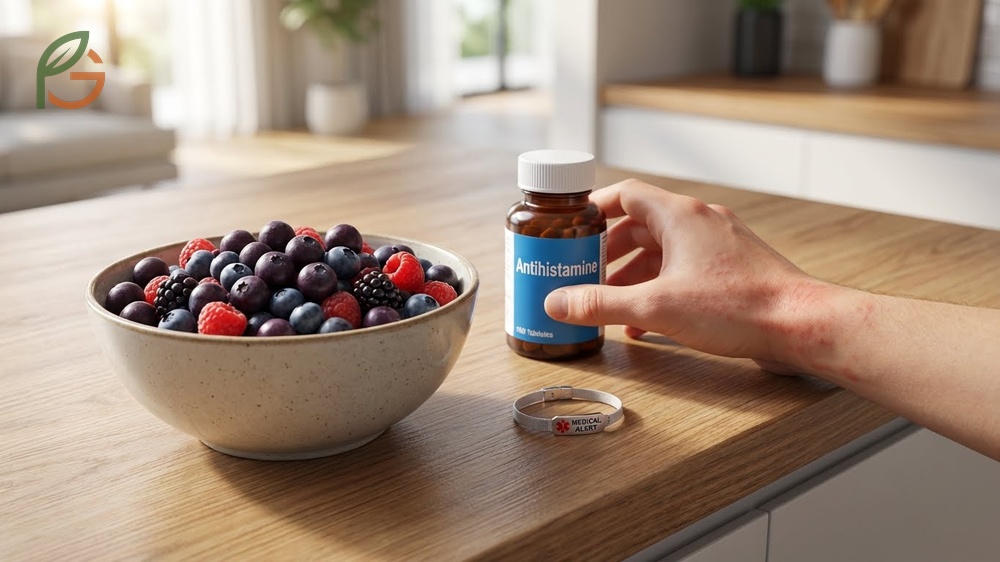
Research shows that true allergic responses to acai berries occur infrequently but can affect individuals with cross-reactive sensitivities to other berries or pollen. Allergic reactions range from mild skin irritation to life-threatening anaphylaxis in rare cases[2]. Most documented cases involve mild to moderate symptoms that respond well to antihistamine treatment.
Studies demonstrate that people with existing berry allergies face higher risk when trying acai for the first time. Testing a small amount initially helps identify potential sensitivities before consuming larger quantities.
Allergy Symptoms
Clinical observations reveal that allergic reactions to acai manifest across multiple body systems. Oral symptoms often appear first, followed by skin and respiratory responses in more severe cases. Medical experts categorize these reactions by severity to guide appropriate treatment responses.
- Mild symptoms: itching, hives, skin rashes, and redness
- Moderate symptoms: swelling of lips, tongue, or throat tissues
- Gastrointestinal symptoms: abdominal pain, nausea, vomiting, diarrhea
- Respiratory symptoms: wheezing, shortness of breath, persistent coughing
- Severe symptoms: difficulty breathing, rapid heartbeat, drop in blood pressure[2]
Risk Factors
Current data indicates that certain populations face elevated allergy risk when consuming acai. People with documented pollen allergies often report aggravated symptoms after acai exposure. Cross-reactivity between plant proteins explains this connection between environmental allergies and food sensitivities.
Individuals with existing berry allergies should approach acai cautiously. Strawberry, raspberry, and blueberry sensitivities may predict acai reactions due to shared protein structures across berry species.
Allergy Warning: Start with a very small amount (less than one teaspoon) if you’re trying acai for the first time, especially if you have known berry or pollen allergies.
Digestive Side Effects

Evidence suggests that acai’s high fiber content drives most digestive complaints among new users. A single serving of acai provides substantial dietary fiber, which supports gut health but can overwhelm unprepared digestive systems. Studies in nutrition journals found that excessive fiber intake from fruits like acai may lead to gastrointestinal discomfort in sensitive individuals.
Research shows that gradual introduction minimizes digestive disruption. Starting with smaller portions allows your gut microbiome to adapt to the increased fiber load without triggering uncomfortable symptoms.
The timing of acai consumption affects digestive tolerance significantly. Eating acai on an empty stomach increases the likelihood of nausea or cramping compared to consuming it alongside other foods. Pairing acai with protein or healthy fats slows digestion and reduces gastrointestinal stress.
- Bloating and abdominal distension within 2-4 hours of consumption
- Increased intestinal gas production from fiber fermentation
- Loose stools or diarrhea when exceeding recommended amounts
- Stomach cramping in people with irritable bowel syndrome
- Nausea when consuming concentrated acai supplements on empty stomach
- Temporary changes in bowel movement frequency or consistency
Medical guidance emphasizes adequate hydration when increasing fiber intake through acai. Drinking sufficient water helps fiber move through your digestive tract smoothly and prevents constipation or blockages.
Digestive Tip: If you experience bloating or gas, reduce your acai portion by half and gradually increase over 2-3 weeks as your digestive system adapts to the higher fiber content.
Medication Interactions Acai

Current pharmaceutical research identifies potential interactions between acai and specific medication classes. The berry’s high antioxidant content and vitamin K levels can affect how certain drugs work in your body[5]. Studies demonstrate that herbal supplements often alter drug metabolism through effects on liver enzymes and drug transporters.
Medical experts recommend transparency with healthcare providers about all supplements, including acai. This communication prevents potentially dangerous interactions and allows proper monitoring of drug effectiveness.
This table compares medication types that interact with acai, their interaction mechanisms, and recommended precautions for safe use
| Medication Type | Interaction Mechanism | Risk Level | Precaution |
|---|---|---|---|
| Blood Thinners (Warfarin) | Vitamin K may reduce anticoagulant effectiveness | Moderate | Monitor INR levels closely[5] |
| Chemotherapy Drugs | High antioxidants may interfere with oxidative therapy | High | Avoid acai during treatment cycles |
| Blood Pressure Medications | Potential additive hypotensive effects | Low to Moderate | Monitor blood pressure regularly |
| Cholesterol Medications | May reduce statin effectiveness | Low | Take acai 2-4 hours apart from statins |
Research indicates that acai supplements containing additional ingredients like garlic, ginkgo, or feverfew pose greater interaction risks. These combination products amplify bleeding risk when taken with anticoagulants[5].
- Warfarin (Coumadin) and other vitamin K-sensitive anticoagulants
- Chemotherapy agents targeting oxidative stress pathways
- Antihypertensive drugs including ACE inhibitors and beta blockers
- Statin medications for cholesterol management
- Anti-inflammatory drugs that affect bleeding time
Medication Warning: Never start acai supplementation without consulting your doctor if you’re taking prescription medications, especially blood thinners or cancer treatments.
Safe Acai Dosage
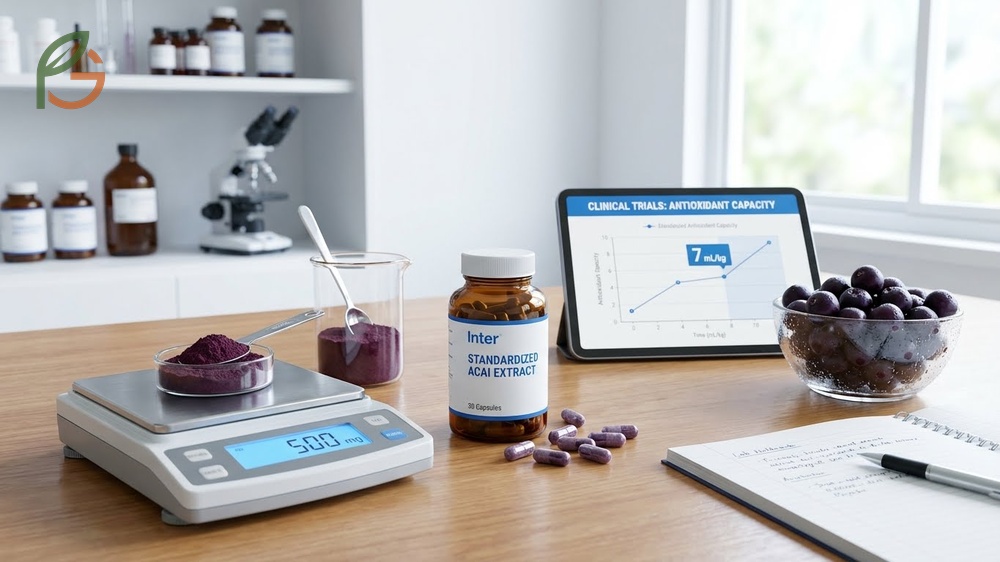
Clinical trials provide evidence-based guidance for safe acai consumption amounts. Research with healthy volunteers used doses of 7 mL per kilogram of body weight for acute benefits, which demonstrated increased antioxidant capacity without adverse effects. Studies lasting up to three months showed good tolerance at these levels[1].
Current supplement recommendations suggest 500-1,000 mg daily for standardized acai extract capsules[3]. Freeze-dried powder dosages typically range from 1-3 grams (approximately half to one teaspoon) once or twice daily. These amounts align with quantities used in published research studies.
The optimal dosage varies based on product form and individual health goals. Whole acai bowls contain different concentrations than concentrated supplements, requiring different portion considerations. Starting with the lowest recommended dose helps assess personal tolerance before increasing intake.
- Fresh or frozen acai pulp: 100-200 grams (about 1 cup) daily
- Acai juice: 7 mL per kg body weight for acute use (approximately 500 mL for 70 kg person)
- Freeze-dried powder: 1-3 grams (half to one teaspoon) 1-2 times daily
- Standardized extract capsules: 500-1,000 mg daily[3]
- Acai bowls: One 8-10 ounce serving daily maximum
Medical experts advise starting supplementation at the lower end of dosage ranges. This conservative approach minimizes digestive upset and allows monitoring for allergic reactions before committing to higher amounts.
Duration of use matters as much as daily dose. Research supporting acai safety extends to three-month continuous use periods, but long-term data beyond this timeframe remains limited. Taking periodic breaks from supplementation may reduce risks of unforeseen cumulative effects.
Dosage Tip: Don’t exceed 2,000 mg of acai extract daily unless specifically directed by a healthcare provider, as higher doses haven’t been adequately studied for safety.
Acai Berry Warnings

Medical guidance emphasizes several critical safety concerns that consumers must understand before using acai products. The most serious warning involves raw, unprocessed acai juice, which carries contamination risks. Research documents potential transmission of Chagas disease from raw acai contaminated with parasite-carrying insects during harvesting or processing[1].
Current evidence highlights quality control problems in the dietary supplement industry. Acai products may contain unlabeled ingredients, heavy metal contamination, or inaccurate potency claims. Choosing reputable manufacturers with third-party testing reduces these risks significantly.
Studies demonstrate that certain populations face elevated risks from acai consumption. Pregnant and breastfeeding women should avoid acai supplements due to insufficient safety data in these groups. The effects of concentrated acai on fetal development remain unknown.
- Avoid raw, unprocessed acai juice due to potential parasite contamination
- People with berry or pollen allergies should test sensitivity before regular consumption
- Pregnant and breastfeeding women should avoid acai supplements lacking safety data
- Individuals with bleeding disorders must use caution due to potential anticoagulant effects
- People scheduled for surgery should stop acai supplements 2 weeks prior to reduce bleeding risk
- Those with liver disease should monitor liver function if using acai supplements[4]
Medical literature documents the importance of product selection. Flash-frozen acai pulp and reputable freeze-dried powders carry fewer risks than unregulated weight loss supplements marketed with acai as a primary ingredient. Many “acai cleanse” products contain additional laxatives that cause harmful side effects.
Critical Warning: Stop acai consumption immediately and seek medical attention if you develop jaundice (yellowing skin or eyes), severe allergic symptoms, or unexplained bleeding or bruising.
Conclusion
The evidence is clear: acai berry side effects remain manageable for most people when you follow recommended dosages and quality guidelines. Research demonstrates that choosing pure acai products from reputable sources and starting with conservative amounts minimizes risk while allowing you to enjoy potential health benefits. Current medical guidance emphasizes open communication with healthcare providers, especially for people taking medications or managing chronic conditions.
Smart acai consumption means understanding your individual risk factors and respecting dosage limits. FruitGarden encourages evidence-based approaches to incorporating superfoods like acai into healthy lifestyles, always prioritizing safety alongside nutrition goals.
Medical Disclaimer
Important Medical Disclaimer: This content is for informational and educational purposes only. It is not intended as a substitute for professional medical advice, diagnosis, or treatment. Always consult a qualified healthcare professional before making any changes to your diet, starting new supplements, or modifying your medication regimen. This is especially important if you have allergies, take prescription medications, have bleeding disorders, liver conditions, or are pregnant or breastfeeding. Individual responses to acai vary, and what’s safe for one person may not be appropriate for another.
Frequently Asked Questions
What Are the Most Common Side Effects of Acai Berry?
The most common side effects include mild digestive discomfort such as bloating, gas, and temporary diarrhea caused by acai’s high fiber content. These symptoms typically affect new users during the first week and resolve as the digestive system adapts. Some people also experience mild headaches or slight nausea when starting acai supplements, but these effects are usually short-lived.
Can Acai Berry Cause Allergic Reactions?
Yes, acai can cause allergic reactions in sensitive individuals, though this occurs rarely. Symptoms range from mild itching and hives to severe anaphylaxis in extreme cases. People with existing berry allergies or pollen sensitivities face higher risk and should test a small amount initially before consuming regular portions.
How Much Acai Is Safe to Consume Daily?
Clinical research supports daily doses of 500-1,000 mg for standardized acai extract supplements or 1-3 grams for freeze-dried powder. For whole acai products like bowls or smoothies, one 8-10 ounce serving daily is generally safe. Starting at the lower end of these ranges helps assess individual tolerance before increasing intake.
Does Acai Interact with Blood Thinning Medications?
Acai may interact with blood thinners like warfarin due to its vitamin K content, which can affect blood clotting mechanisms. Medical experts recommend close monitoring of INR levels if you’re taking anticoagulants and consuming acai. Always consult your healthcare provider before combining acai with any blood-thinning medications to prevent dangerous interactions.
What Are the Warning Signs of Serious Acai Side Effects?
Serious warning signs include yellowing of skin or eyes (jaundice), difficulty breathing, severe swelling of face or throat, persistent abdominal pain, or unexplained bleeding or bruising. These symptoms require immediate medical attention. Though rare, documented cases of liver inflammation have occurred with acai supplement use.
Is Raw Acai Juice Safe to Drink?
Raw, unprocessed acai juice carries contamination risks and should be avoided. Medical research documents potential transmission of Chagas disease from parasites that can contaminate raw acai during harvesting. Pasteurized juice, flash-frozen pulp, or properly processed acai products are much safer alternatives for consumption.
Should I Avoid Acai If I’m Taking Chemotherapy?
Yes, cancer patients undergoing chemotherapy should avoid acai supplements. The berry’s high antioxidant levels may interfere with oxidative processes that chemotherapy drugs target to kill cancer cells. This potential interaction could reduce treatment effectiveness, so always discuss any supplement use with your oncologist before starting acai.





